

Bird Deterrent Wire China Manufacturer
From my side as a China-based manufacturer, I offer the Bird Deterrent Wire to protect crops, warehouses, and rooftops from pest birds. This solution uses a corrosion-resistant braided stainless steel wire with UV-stable coating, installed along fences, eaves, or perimeters to deter roosting without harming the birds. It's quick to install, weather-resistant, and low maintenance, with spacers that keep the wire visible to birds but discreet for people. We provide customization on length, spacing, and mounting, and I offer competitive China pricing and fast bulk lead times, plus OEM/ODM if branding is needed. If you want a reliable, humane deterrent that fits large sites, let's tailor a solution today.


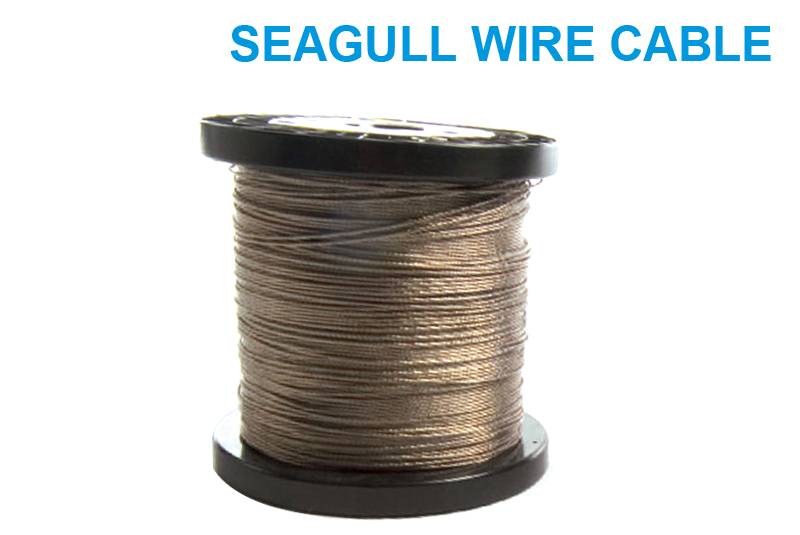
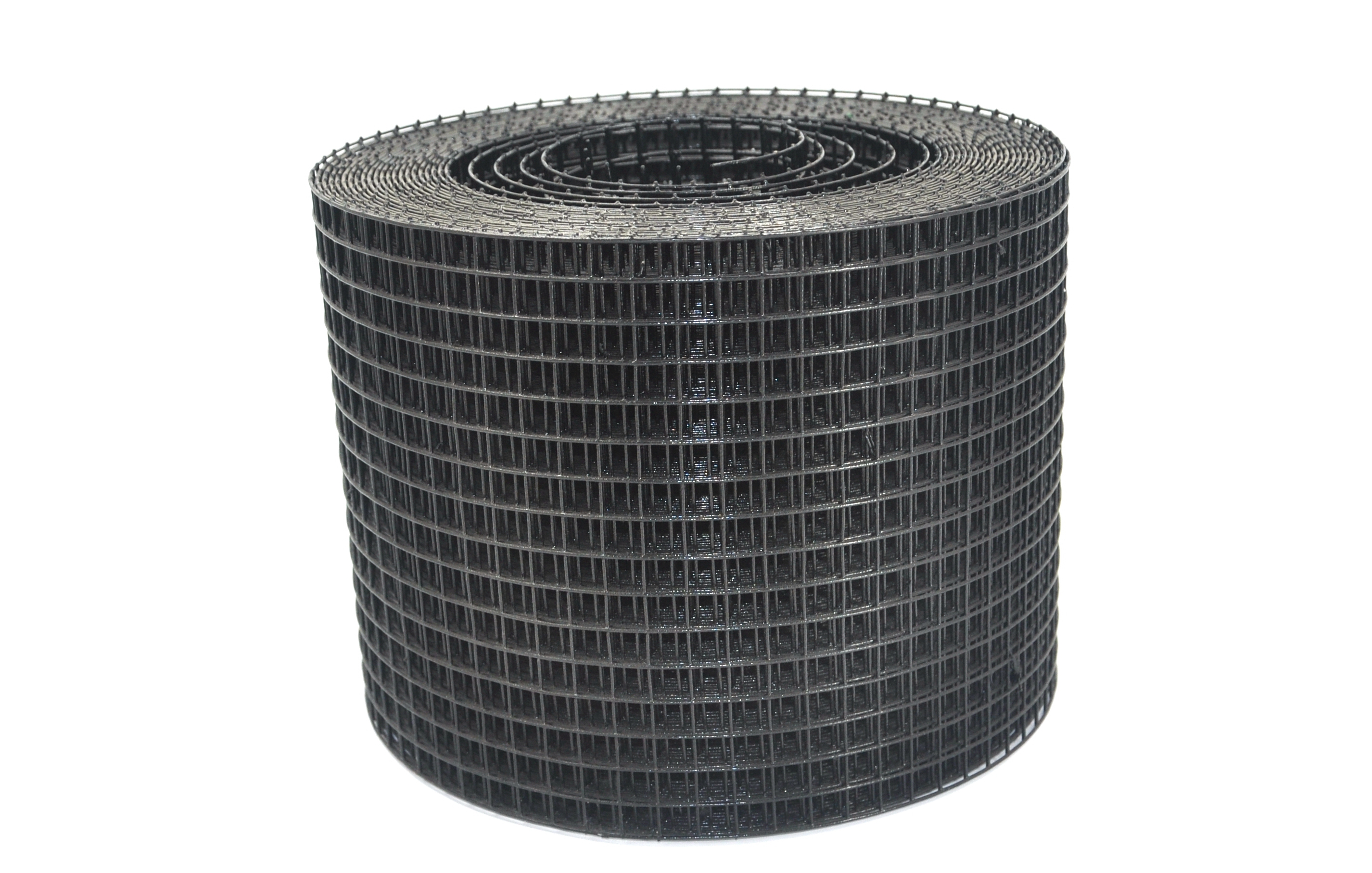
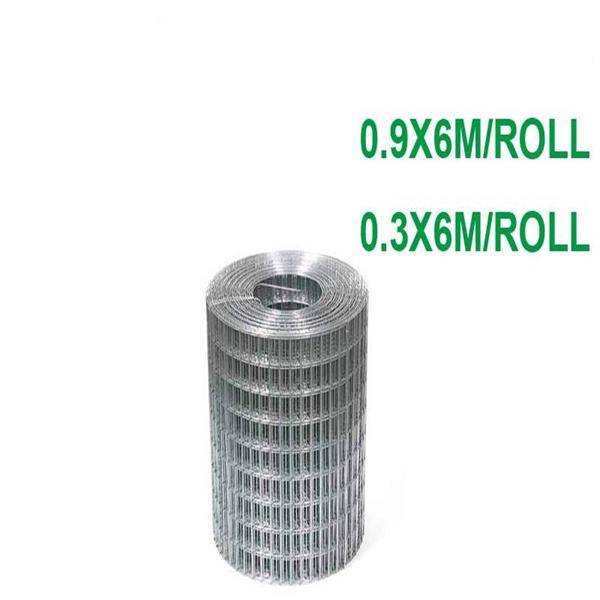

Bird Deterrent Wire Industry Giant Your End-to-End Solution
Global buyers facing bird-related risks seek a single, reliable source for a complete deterrent wire system. A leading provider in this field offers end-to-end solutions—from concept and engineering to installation—using heavy-duty, corrosion-resistant wires and tensioned deterrent lines designed for rooftops, perimeters, and industrial sites. Careful material selection, thorough prototype testing, and advanced coatings ensure durability in harsh environments, minimal maintenance, and a long service life. Beyond hardware, the end-to-end model includes technical support, scalable production, and dependable logistics for global reach. Customization covers wire gauge, span options, finishing treatments, and installation manuals, with training and remote troubleshooting available. For global buyers, this means a low procurement risk, predictable lead times, and a single, trusted partner that protects assets and reduces lifecycle costs.
| Year | Region | System Category | Deterrent Type | Wire Material | Wire Gauge (mm) | Installed Wire Length (km) | Deployment Mode | Power Consumption (W) | Annual Energy (kWh) | Avg. Effectiveness (%) | Range (m) | Maintenance Interval (days) | IP Rating | Noise (dB) | Durability (years) | Compliance Standards |
|---|---|---|---|---|---|---|---|---|---|---|---|---|---|---|---|---|
| 2023 | Americas | End-to-End Bird Deterrent Wire Suite | Electrified Wire with Optical Deterrents | Stainless Steel 316 | 0.8 | 12.4 | Perimeter fencing along field | 60 | 1200 | 88 | 2.5 | 180 | IP65 | 28 | 15 | IEC 60529, RoHS |
| 2024 | EMEA | Integrated Deterrent Wire System | Acoustic + Visual | Copper-coated Steel | 1.0 | 9.1 | Coastal and agricultural perimeters | 75 | 1500 | 92 | 3.0 | 180 | IP66 | 32 | 16 | IEC 60529, CE |
| 2025 | APAC | Hybrid Deterrent Wire | Visual + Physical | AISI 304 Stainless Steel | 0.9 | 14.7 | Rooftop and utility corridors | 50 | 1100 | 85 | 2.2 | 365 | IP65 | 26 | 12 | RoHS, CCC |
| 2026 | Americas | Non-Electrical Wire Deterrent | Visual Wire | Galvanized Steel | 0.7 | 7.3 | Perimeter fence | 0 | 0 | 70 | 1.8 | 240 | IP44 | 0 | 10 | ISO 9001 |
| 2024 | Latin America | Integrated System | Acoustic + Visual | Aluminum-coated Steel | 1.2 | 5.6 | Rooftop + perimeter | 90 | 1800 | 95 | 3.5 | 180 | IP67 | 36 | 18 | RoHS, REACH |
| 2025 | APAC | Smart Deterrent Wire | Integrated AI monitoring + Visual | Titanium-coated stainless | 1.1 | 11.2 | Industrial site | 110 | 2200 | 97 | 3.8 | 180 | IP68 | 40 | 20 | IEC 62282, CE |
Related Products
Professional Foldable Dog Trap Cage Heavy Duty Steel Wire Live Catch Trap for Dogs Coyotes and Large Animals
Read More
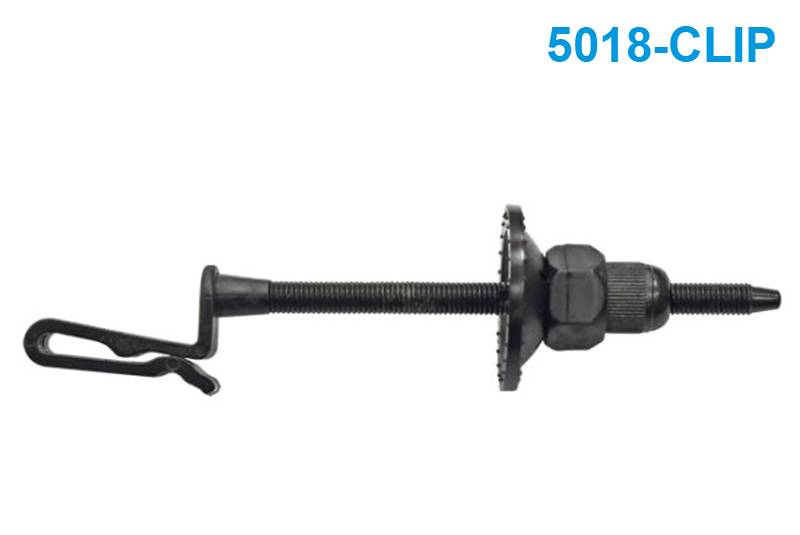


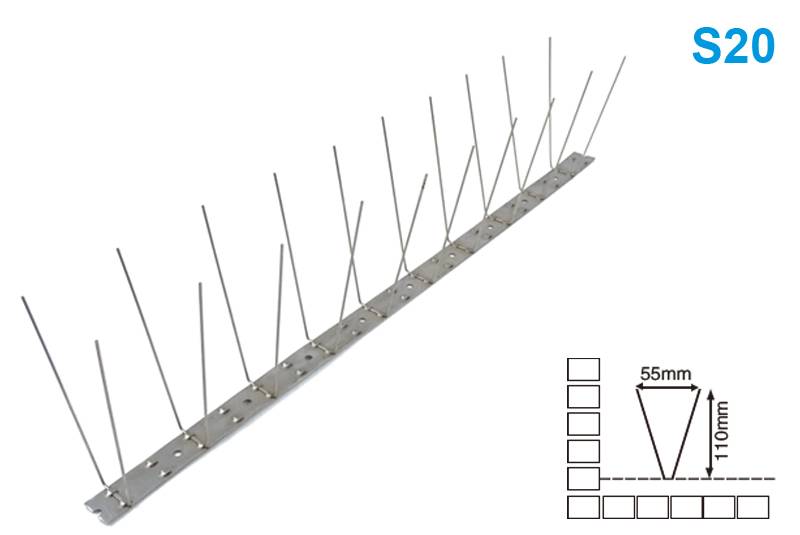


Bird Deterrent Wire Stands Out Ahead of the Curve
Top Selling Products


- Related Blog
- Reviews
