
Cat Rescue Trap Cage - China Manufacturer for Safe Pet Capture
From my hands to your warehouse, I offer a durable cat rescue trap cage crafted for everyday shelter and field use. As a China-based manufacturer, I design with real-world rescue teams in mind—rigid steel, smooth edges, safe animal release, and portable stacking for easy storage. The cat rescue trap cage is built to stand up to repeated use in busy clinics, rescues, and humane societies, while keeping handlers safe thanks to secure latches and anti-slip grips. I source corrosion-resistant materials and chrome-plated hardware for long life, and I offer customization options: size variants, door configurations, color coding, and branding for your organization. Orders ship quickly with OEM packaging and detailed assembly instructions. If you buy through me, you’ll get factory-direct pricing, reliable lead times, and responsive after-sales support. Let me help you scale your operations with confidence in every cat rescue trap cage.


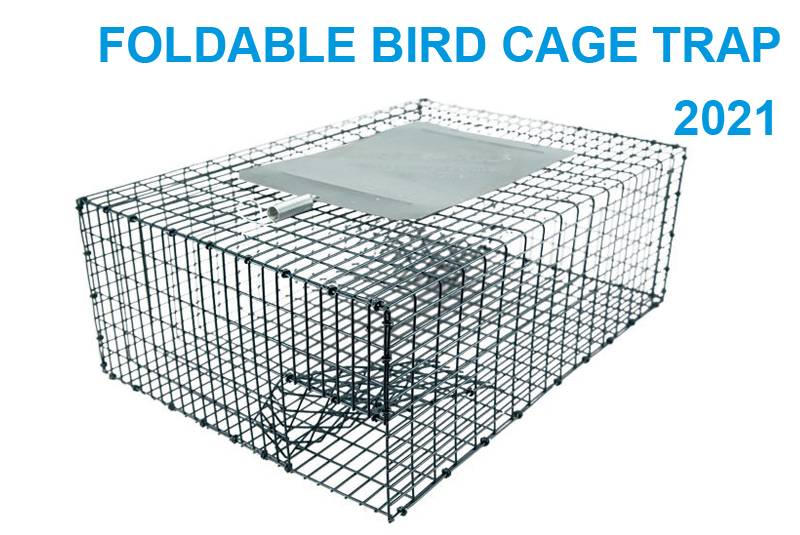


cat rescue trap cage Application Your Trusted OEM Partner
A well-designed cat rescue trap cage is essential for humane animal control, shelter intake, veterinary care and community TNR (trap-neuter-return) programs. Our cages combine sturdy, corrosion-resistant materials with smooth edges, secure latching and quick-release mechanisms to minimize stress and injury. Foldable frames, stackable designs and lightweight handles make transport and storage efficient, while customizable mesh sizes and padded interiors meet the needs of kittens, feral cats and injured animals alike. As your trusted OEM partner, we offer flexible customization, strict quality control and scalable production to support global procurement needs. From mold and prototype development to batch manufacturing, inspection and packaging, we ensure consistent performance and regulatory compliance. Competitive lead times, sample availability, tailored branding and ongoing technical support make collaboration simple for distributors, shelters, rescue organizations and veterinary suppliers worldwide.
{ cat rescue trap cage Application Your Trusted OEM Partner}
| Variant | Primary Application | Construction Material | Dimensions (L × W × H cm) | Approx. Weight (kg) | Door / Entry Type | Trigger Mechanism | Key Safety Features | Care & Maintenance | Animal Welfare / Legal Notes |
|---|---|---|---|---|---|---|---|---|---|
| Small — Single-Door TNR | Targeted trap-neuter-return (TNR) for adult and juvenile feral cats | Galvanized welded wire mesh with powder-coated frame | 60 × 22 × 25 | 3.5 | Front swing door with spring-lock latch | Treadle plate with balanced trip rod; adjustable sensitivity | Locking slide latch Rounded edges; internal anti-panic clearance | Rinse after use, mild detergent; inspect hinges and lubricate pivots; store dry | Use for short-term confinement (typically <24 hrs). Follow local TNR guidelines. |
| Medium — Double-Door TNR | TNR programs requiring front entry and rear escape-proof exit for transfer | Powder-coated carbon steel frame; rust-inhibiting finish | 76 × 25 × 28 | 5.0 | Two-door configuration (one-way entry + transfer door) | Dual treadles with independent trip settings for controlled operation | Escape baffle Secure multi-point latch system; weld-reinforced corners | Periodic inspection of welds; avoid bleach on coating; gentle scrubbing and full rinse | Maintain ventilation and monitor trapped animals frequently; avoid exposure to extreme heat. |
| Large — Drop-Plate Transport | Transporting larger/stocky cats or short-term veterinary transport | Welded stainless steel frame (select models use 304 grade mesh) | 91 × 30 × 30 | 7.8 | Gravity drop-door with secondary safety latch | Drop-plate (gravity) with damping edge to prevent sudden impact | Secondary safety latch Full-length reinforced floor; slip-resistant surface | Disinfect with diluted disinfectant recommended for stainless surfaces; dry thoroughly | Ensure ventilation and padding during vehicle transport; check local transport regulations. |
| Foldable Field Rescue | Portable rescue for field teams, clinics, and mobile response | Reinforced wire mesh panels with quick-release hinge pins; light-gauge frame | 70 × 24 × 26 (collapsible) | 4.2 | Hinged front panel with quick-release pin | Lightweight treadle or bait-trigger module; quick manual override | Quick-release Padded edges; fold-lock safety catch; replaceable pins | After folding, check pins and hinges; wipe and air-dry; store with moisture absorber | Designed for short interventions; do not use for long-term confinement; monitor stress levels. |
| Heavy-Duty — Long-Term Hold | Temporary holding for rescue centers, extended observation or multi-day transport | 304 stainless-steel mesh and reinforced tubular frame; marine-grade fasteners | 100 × 34 × 35 | 9.5 | Sliding locking door with keyed safety bracket (key not provided in table) | Adjustable treadle with anti-bounce counterweight; can be set for higher trigger force | Corrosion resistant Anti-escape double-lock; internal partition points for stress reduction | Use corrosion-resistant cleaners; periodic oiling of sliding tracks; verify seals and welds | Follow shelter holding protocols; ensure enrichment, water access, and veterinary checks per local guidelines. |
Related Products

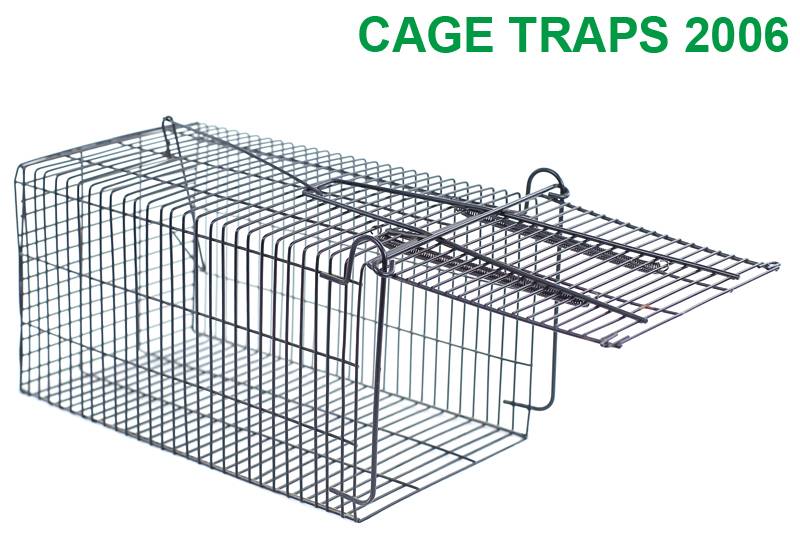


cat rescue trap cage Leads the Global Market Custom Solutions,
Top Selling Products


- Related Blog
- Reviews
