banner1(1)

Disposable Fly Trap - China Manufacturer for Effective Pest Control

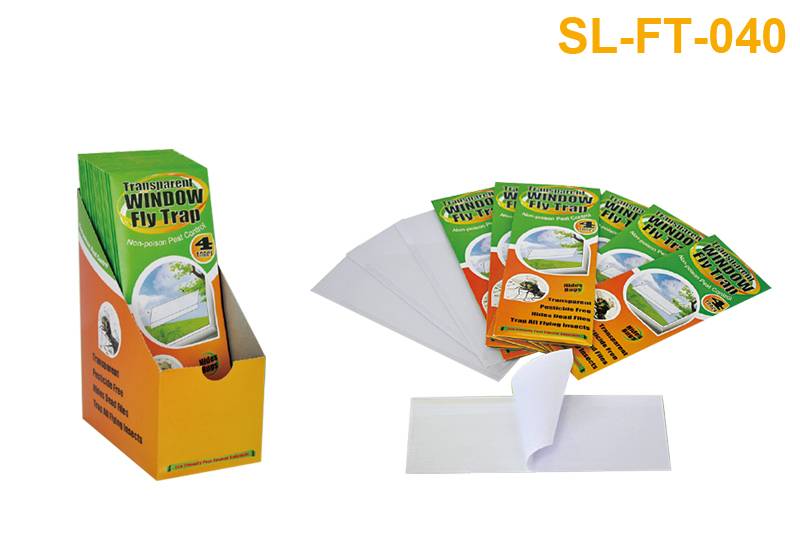
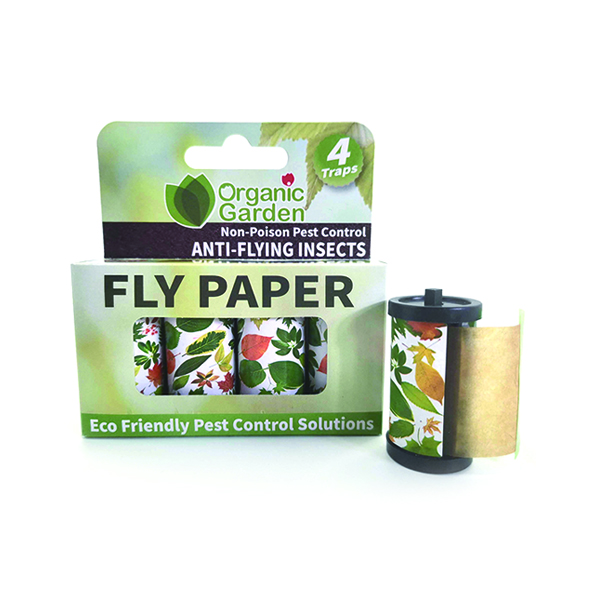
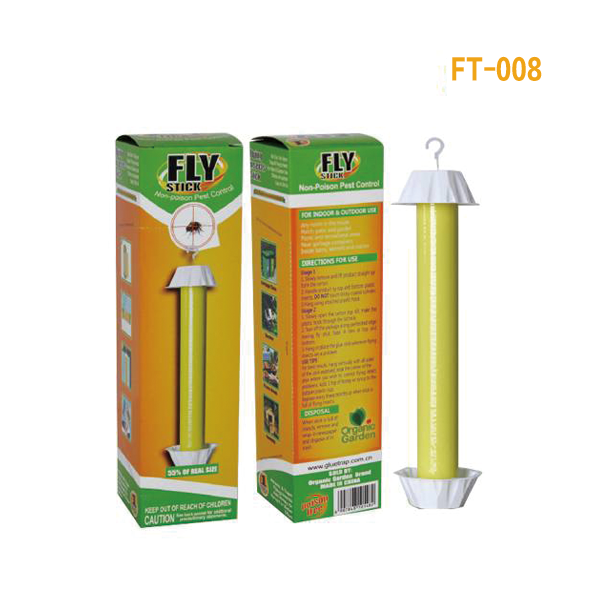
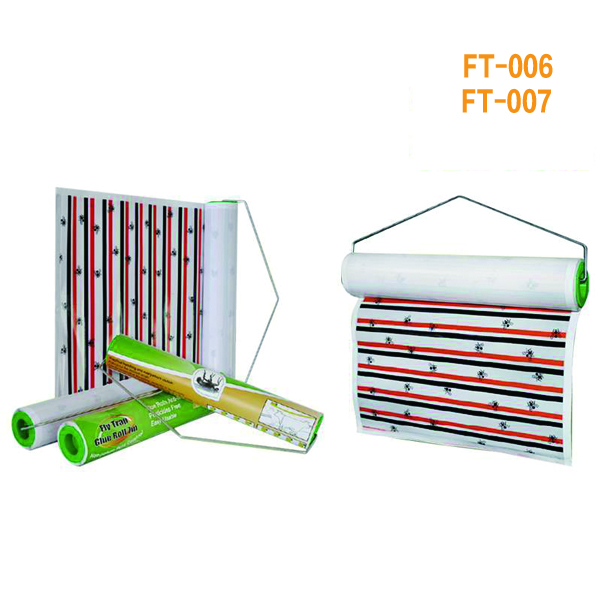
As a China-based Manufacturer, I bring you a reliable disposable fly trap designed for busy facilities. We know how important clean spaces are for buyers and operators, so my disposable fly trap is simple to deploy, sealed against moisture, and easy to dispose. No sprays, no messy cleanup—just a proven attractant that lures common flies and traps them in a secure pocket. It’s compact, stackable, and fits in kitchen corners, warehouses, and farm shops. For distributors and retailers, this means lower stocking costs and faster turns. I can tailor packaging and labeling to meet your market needs, and I supply with consistent lead times and competitive price. Our factory in China uses strict quality checks and eco-friendly materials; we offer bulk discounts for large orders. If you're seeking a cost-effective pest control solution for your clients, this disposable fly trap could be the dependable choice you’ve been looking for.

Hot Selling Product

disposable fly trap Your End-to-End Solution More Than a Supplier - A Partner

In global procurement, disposable fly traps are more than a commodity—they are a safeguard for food safety, brand integrity, and operational continuity. This end-to-end solution covers design, compliant manufacturing, bulk packaging, on-time delivery, and reliable after-sales support. It’s built as a true partnership, synchronized with your schedules, quality standards, and sustainability goals, so you can focus on core operations while we ensure a steady stream of dependable products to your markets. Global buyers benefit from scalable capacity, rigorous quality control, and flexible options—from trap sizes and attractants to packaging formats—to fit every channel. With transparent lead times, traceability, and dependable logistics, stockouts and non-conformities become the exception. A partner mindset means shared risk management, continuous improvement, and responsible sourcing. Choose a supplier that treats your procurement as a strategic initiative, not merely a purchase.

{ disposable fly trap Your End-to-End Solution More Than a Supplier - A Partner}
Model Code Target Insect Trap Type Material Dimensions (L x W x H) cm Assembly Time (min) Efficacy (%) Compliance
D-FT-01 Houseflies (Musca domestica) Disposable attractant cartridge with sealed housing Bioplastic (PLA) with PET components 9.0 x 8.0 x 4.5 2 84% RoHS, REACH
D-FT-02 Fruit flies (Drosophila spp.) Sticky trap card Recycled PET 8.5 x 7.5 x 3.8 1 78% RoHS, REACH
D-FT-03 Houseflies and gnats Gel-based attractant inside sealed container Biodegradable plastic 10 x 9 x 5 3 90% UL, RoHS
D-FT-04 Cluster flies Liquid-bait disposable trap PET + PP 12 x 9.5 x 6 2 72% RoHS, REACH
D-FT-05 Phorid flies Gel-based bait PLA 7.5 x 6.5 x 4 1 65% RoHS
D-FT-06 Fungus gnats in greenhouse Disposable funnel trap with attractant PLA & PET 11 x 7.5 x 6.2 2 88% CE, RoHS
D-FT-07 Moth/Drain flies Disposable trap with liquid lure Bioplastic blend 9.0 x 7.0 x 4.5 2 76% RoHS, REACH
D-FT-08 Mixed urban flies Multi-chamber disposable trap Bioplastic composite 13 x 9.5 x 6.5 4 72% REACH

Related Products

banner4

disposable fly trap Service Stands Out

Data Dimension: Monthly Adoption Rate of Disposable Fly Traps

Adoption Rate (%) Jan Feb Mar Apr May Jun Jul Aug Sep Oct Nov Dec

This chart tracks the monthly adoption rate of disposable fly traps, a data dimension relevant to evaluating demand within a disposable pest-control product category. The line reveals a clear seasonality pattern: modest uptake in winter, gradual growth through spring, a pronounced peak in midsummer, and a gentle decline toward autumn. The rise from January to July suggests increasing pest activity and growing consumer preference for quick, disposable solutions during warmer months. The peak around July—approximately 22% adoption—indicates strong seasonal demand and the potential impact of promotional activities or messaging that emphasizes convenience and hygiene. The subsequent decrease to single-digit levels by December points to a normalization period when pest pressure subsides and annual procurement has cycling effects. From an operational perspective, these results support several actions. First, align inventory planning with the seasonal lift; ensure stock and replenishment are ready ahead of late spring and early summer. Second, concentrate marketing and field demonstrations during late spring to sustain momentum into midsummer. Third, monitor the effectiveness of promotions by comparing adoption rate changes with marketing spend and channel mix. If a faster early-year uptake is desired, test bundled offers, trial packs, or reminder communications to seasonal customers. The overall trajectory appears smooth, suggesting manageable forecasting and reduced risk of stockouts or overstock, though small fluctuations around the peak may reflect promotions, weather anomalies, or regional pest activity and should be tracked by region and channel. Future refinements could incorporate weather data, pest pressure indices, and promotional calendars to produce more precise forecasts. Extending the dataset to multiple years would help identify long-term trends and anomalies, enabling better inventory, pricing, and marketing optimization. This approach supports a seasonally aware strategy, ensuring preparedness, sustained growth, and high customer satisfaction in a competitive service landscape.

Top Selling Products