

Galvanized Cable Clip - China Manufacturer for Industrial Purchasers
From our workshop to your project, I proudly supply galvanized cable clip that stands up to harsh environments. As a China-based manufacturer, I understand the needs of B2B purchasers: reliable grip, easy installation, and long-lasting corrosion resistance. Our galvanized cable clip is molded from high-grade steel and electrogalvanized for extra protection, resisting rust in outdoor or industrial settings. The clips hold cables neatly and securely, preventing chafing and accidental disconnections. Sold in a range of sizes to fit common wire diameters, they install quickly with standard hardware, saving you time on audits and field work. I can offer custom packaging, MOQ flexibility, and fast shipping to China or anywhere in your supply chain. Quality control is strict, with polished finishes and tight tolerances to ensure consistent performance. If you seek a dependable partner for galvanized cable clip supply, I am here to streamline your procurement, reduce downtime, and boost your project confidence. Contact me today for samples and Manufacturer terms.
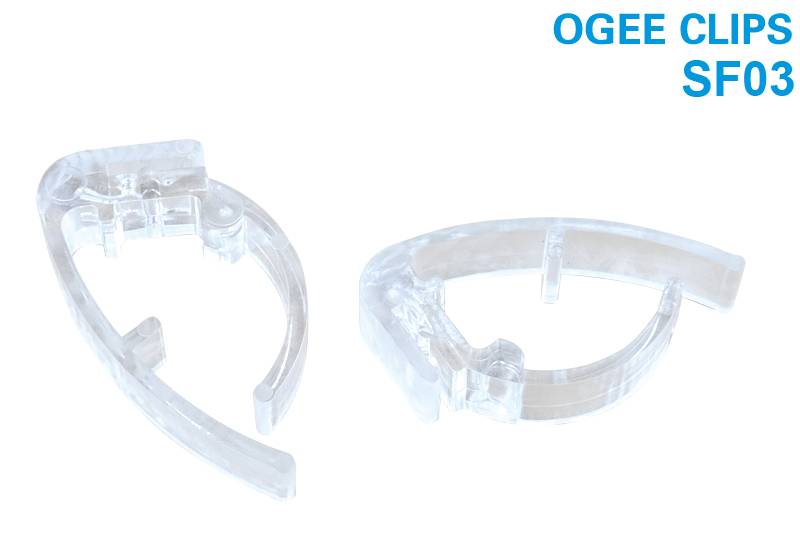
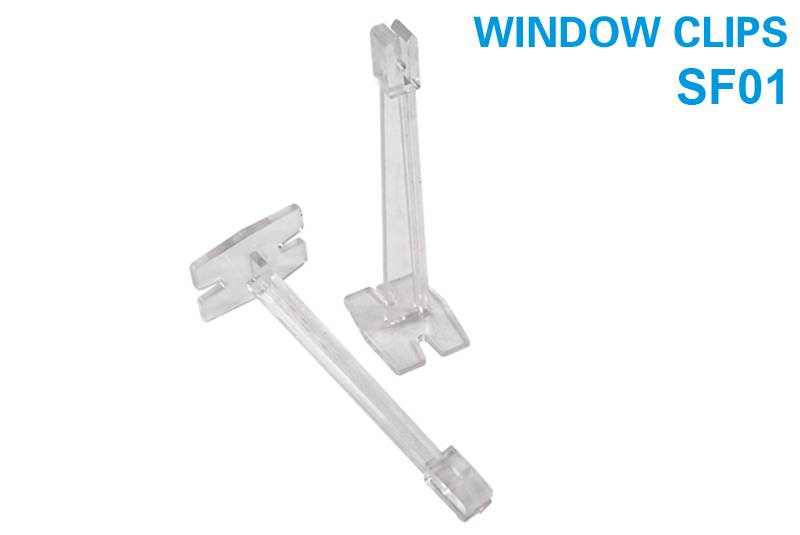

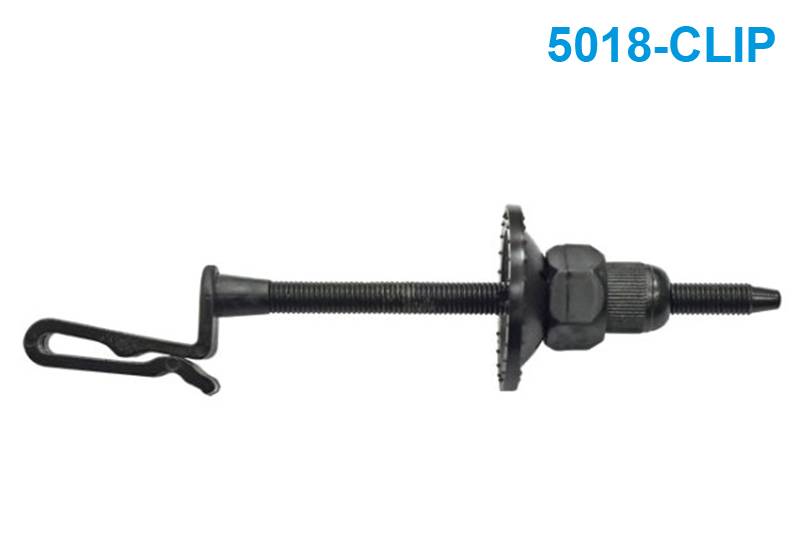


galvanized cable clip Guarantees Peak Performance Where Service Meets Innovation
Galvanized cable clips guarantee peak performance where service meets innovation. Engineered with durable hot-dip/spray galvanizing and precision stamping, these clips offer exceptional corrosion resistance, consistent clamping force, and long-term mechanical stability even in marine, industrial, and outdoor installations. Available in multiple sizes and profiles, they simplify cable management, reduce maintenance, and withstand salt spray and UV exposure, delivering reliable performance across telecommunications, power distribution, construction, and renewable energy projects. Backed by rigorous quality control and modern production methods, the focus is on fast, flexible supply and tailored solutions for global procurement needs. Custom packing, batch traceability, and compliance with international standards ensure predictable lead times and cost-effective bulk sourcing. For buyers seeking proven durability, consistent tolerances, and responsive logistics, these galvanized cable clips represent a pragmatic choice that combines innovation with service-driven reliability.
| Parameter | Specification | Standard / Test | Remarks |
|---|---|---|---|
| Base Material | Low‑carbon mild steel (typical C ≤ 0.25%), commonly cold‑formed for clip geometry | — | Good ductility and bendability for clamping operations |
| Coating Type | Hot‑dip galvanizing or electro‑galvanizing (zinc coating) | Hot‑dip: ISO 1461 / ASTM A153; Electro: ISO 2081 | Selection affects thickness and corrosion life |
| Coating Thickness | Electrogalvanized: typically 8–25 μm; Hot‑dip: typically 40–120 μm (depending on part size) | Measured per ISO 2178 / ASTM B499 | Thicker coatings increase corrosion resistance but may affect fit/tolerances |
| Salt Spray Resistance | Electrogalv: ~96–240 hours; Hot‑dip: ~240–1000+ hours (dependent on thickness) | ASTM B117 (neutral salt spray) | Lab test; real‑world life depends on environment (ISO 9223) |
| Mechanical Strength | Typical tensile strength of base steel: 350–550 MPa; design based on clip geometry | Material certification / tensile testing | Clip failure usually from deformation or fatigue, not substrate tensile limit |
| Operating Temperature | Continuous: −40°C to +120°C; short‑term exposure up to ~200°C acceptable for zinc coating | — | Avoid prolonged exposure above 120°C for prolonged coating stability |
| Suitable Cable Diameter | Common sizes: Small 2–8 mm; Medium 6–20 mm; Large 16–50 mm (clip design dependent) | — | Match clip profile to cable insulation and bundle size for secure hold |
| Recommended Fastener Torque | Typical bolts: M4: 1–2.5 N·m; M6: 4–6 N·m; M8: 12–20 N·m (ensure proper clamp without crushing) | Torque specification by fastener class | Apply torque control to avoid deformation or insulation damage |
| Corrosion Classification | Service class per ISO 9223: typically C3–C5 depending on coating thickness & exposure | ISO 9223 / ISO 12944 guidance | Urban/rural: C3; Marine/industrial: C4–C5 |
| Electrical Considerations | Zinc coating is conductive but not intended as primary grounding conductor; contact resistance may vary | Electrical bonding per installation code | For grounding, use dedicated conductors or specified bonding treatments |
| Typical Failure Modes | Corrosion at cut/crevice edges, mechanical deformation/creep, loosening under vibration, coating flaking if damaged | — | Design mitigations: proper coating, edge treatment, vibration‑resistant fasteners |
| Weight per Unit (typical) | Approx. 0.5 g (micro clips) up to ~60 g (large saddle clips); varies by size and thickness | Measured per part drawing | Useful for mass/packaging calculations |
| Recyclability & Environmental | Steel substrate and zinc coating are widely recyclable; steel recycling rate >90% in established systems | ISO 14001 recommended handling | Recover steel via standard scrap streams; remove contaminants before recycling |
| Standards & Tests (typical) | ASTM A153 / A123, ISO 1461 (hot‑dip); ISO 2081 (electro); ASTM B117 (salt spray); ISO 9223 (corrosivity) | Referenced international standards | Compliance should be confirmed on a per‑part basis |
Related Products
JL 3002-R High Efficiency Multi Catch Mouse Trap Reusable Galvanized Steel Rodent Control Trap
Read More


galvanized cable clip Service Manufacturers You Can Rely On
Top Selling Products



- Related Blog
- Reviews
