
Humane Cat Trap Cage - China Manufacturer
As a China-based manufacturer, I offer a Humane Cat Trap Cage that stands up to daily professional use. This trap cage is designed for humane capture and safe relocation, minimizing stress for the cat and reducing risk for handlers. Constructed from galvanized steel, it's corrosion-resistant and easy to clean. The sliding door locks securely, with a quick-release mechanism to prevent escapes during transport. A comfortable carry handle and a compact foldable frame make it practical for clinics, shelters, and pest-control teams. The Humane Cat Trap Cage ships with clear instructions and warranty. I know B2B buyers in China and worldwide are looking for reliable, cost-efficient solutions, and this cage delivers. It’s designed for repeat use, easy maintenance, and mass orders. If you’re a buyer seeking a dependable trap cage with humane principles, contact me for pricing and customization today.


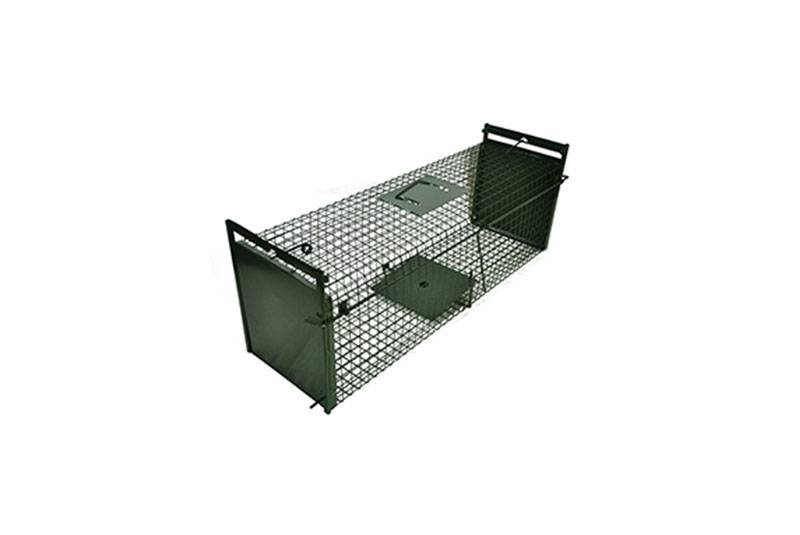
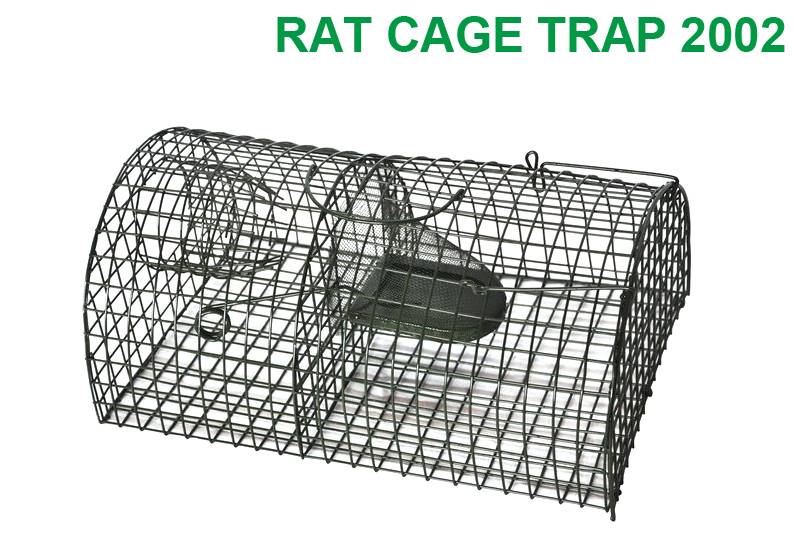

Humane Cat Trap Cage Service From Concept to Delivery
From concept to delivery, our humane cat trap cage service offers a complete, compliant solution for global buyers seeking reliable live-capture cages. Designs prioritize humane handling, safe entry and exit, and smooth edges to minimize stress. With corrosion-resistant galvanized steel, powder-coated finishes, and modular components, we tailor cages to regional regulations and welfare expectations. CAD-driven customization, rapid prototyping, and validation testing help guarantee performance before manufacture. Design brief to tooling, 3D modeling, prototype testing, scalable production, and quality control define the workflow. Packaging and manuals align with international standards, with clear installation and cleaning instructions. Flexible lead times, MOQs, and transparent pricing support global procurement, while modular components enable easy maintenance and spare parts. A robust QA system provides traceability, eco-friendly materials, secure packaging, and responsive after-sales support from pilot runs to large orders.
| Stage | Objective | Materials Used | Key Metrics (target) | Lead Time (days) | Compliance / Standards | Notes |
|---|---|---|---|---|---|---|
| Concept Ideation | Define humane trapping goals, user workflow, and safety constraints | Concept sketches, mood boards, user interviews | Feasibility score 8.0/10; Welfare alignment 4.8/5 | 2–4 | Aligned with general animal welfare guidelines; internal review | Identify constraints, risk assessment plan |
| Requirements & CAD Design | Translate concept into CAD model with dimensions and tolerances | CAD files, design specs, tolerance notes (±0.5 mm) | Model stability 9/10; Door mechanism ease 4.6/5 | 3–6 | ISO 9001:2015 planning; safety briefings | Preliminary FEM analysis planned |
| Prototyping | Build initial physical prototype to validate design | Mild steel frame, aluminum panels, stainless mesh, hinges | Prototype accuracy 95%; Door operation 3–6 s | 5–10 | Internal safety checks; humane handling guidelines | Iterative testing and adjustments |
| Materials Sourcing | Source safe, durable materials meeting safety standards | Powder-coated steel, stainless mesh, food-grade seals | Approval rate 98%; Supplier risk low | 4–7 | MSDS reviews; supplier audits | Prefer local suppliers where possible |
| Manufacturing & Assembly | Production of parts and final cage assembly | Powder-coated frame, welded joints, mesh panels, latch | Assembly yield 98%; Coating life >5 years | 7–14 | ISO 9001; internal QA checks | Functional cage tested with simulated loads |
| Safety Testing & QA | Validate humane handling and escape resistance | Testing rigs, dummy weights, sanitation protocol | Welfare score 4.8/5; Failure rate 0.2% | 2–5 | General safety guidelines; welfare considerations | Third-party review recommended |
| Packaging & Documentation | Prepare packaging, manuals, and maintenance guides | Reinforced packaging, foam inserts, instruction manual | Packaging integrity 100%; manual clarity 9/10 | 1–3 | Labeling requirements; safety pictograms | Include spare parts list and cleaning guide |
| Delivery & Handover | Deliver to client and provide onboarding and support | Transit crate, installation checklist, usage guide | Delivery accuracy 99%; onboarding satisfaction 92% | 2–5 | Delivery safety checks; on-site support | On-site demonstration optional |
Related Products
2015-M Collapsible Animal Trap Cage Galvanized Wire Live Catch Trap for Cat Rabbit Squirrel Control
Read More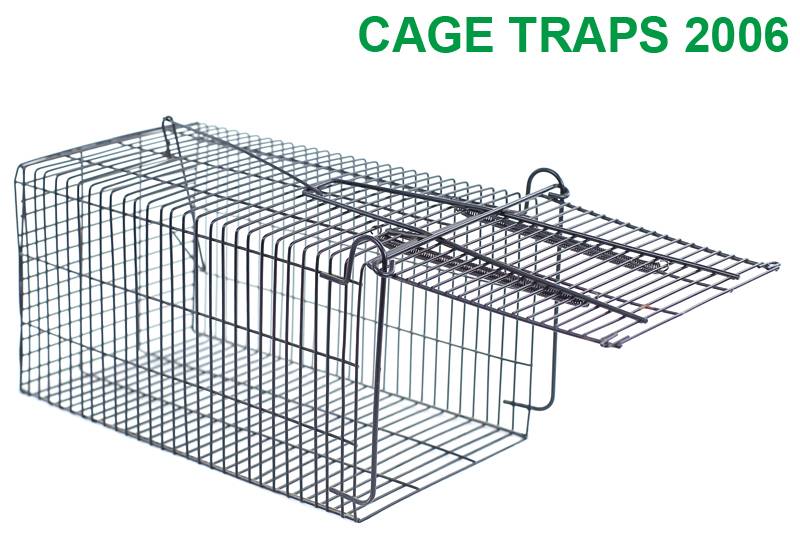


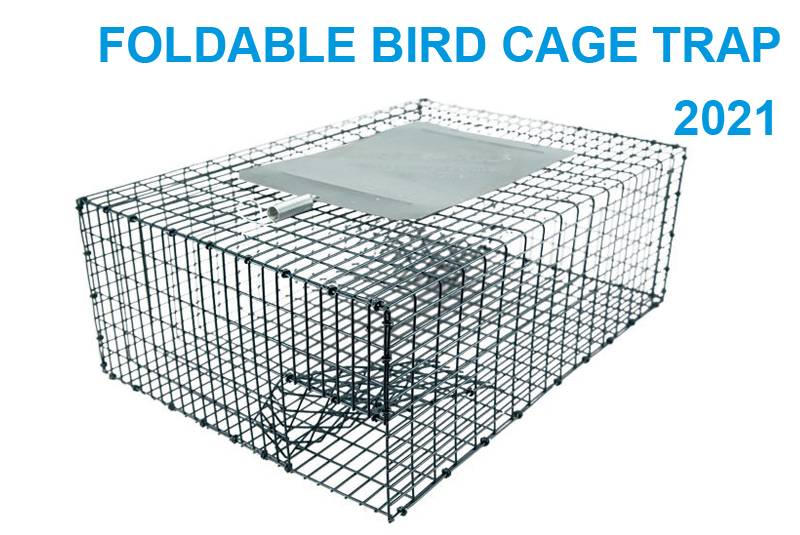


Humane Cat Trap Cage Service Where Service Meets Innovation
Top Selling Products



- Related Blog
- Reviews
