
Humane Live Animal Trap - China Manufacturer for Reliable Pest Control
From our factory in China, I am proud to offer a humane live animal trap designed for responsible pest management. As a Manufacturer, I deliver reliable, humane capture without harm, ideal for farms, research facilities, and city programs. The trap features corrosion-resistant steel, smooth enamel, and a precise trigger that minimizes stress to animals. It's reusable, easy to clean, and ships flat for efficient logistics. We offer customization: sizes, door configurations, and branding for wholesale clients. Our quality process meets international standards, with QC checks at every stage to ensure consistent performance. We provide competitive pricing for bulk orders, fast lead times, and OEM packaging to fit your market. If you’re sourcing in China or seeking a trusted supply partner who understands humane trapping ethics, I’m ready to discuss your specs and deliver a tailored solution.


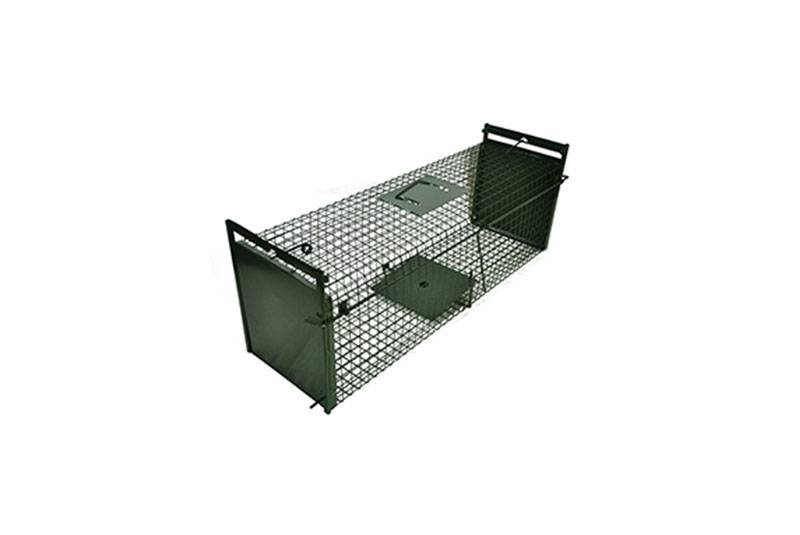


humane live animal trap Where Innovation Meets 2025 Factory-Direct Excellence
Discover the next-generation humane live animal trap where innovation meets 2025 factory-direct excellence. Engineered for ethical wildlife management and commercial pest control, these traps blend smart mechanics, corrosion-resistant materials, and modular components to ensure safe, stress-free capture and rapid release. Intuitive setup, low-maintenance design, silent trip mechanisms, and weatherproof construction make them ideal for field teams, municipalities, research institutions, and distributors around the globe. Factory-direct production delivers consistent quality, competitive pricing, scalable capacity, and fast customization—from size and bait systems to sensor integration and private labeling. Rigorously tested for durability and aligned with international welfare standards, the range emphasizes sustainable materials and easy parts replacement to extend service life. For global buyers seeking reliable, ethical solutions, this line pairs performance with transparency and supply-chain advantages tailored to 2025 market demands.
| Model | Trap Type | Primary Material | Dimensions (L×W×H, mm) | Weight (g) | Target Species | Trigger Sensitivity (N) | Deployment Environment | Typical Capture Success Rate (%) | Release Survival Rate (%) | Recommended Inspection Interval (days) | Manufacturing Tolerance (mm) | Certifications | Notes |
|---|---|---|---|---|---|---|---|---|---|---|---|---|---|
| Model A1 | Single-door live box | Galvanized steel mesh, powder coat | 305 × 105 × 95 | 420 | Small rodents (mice, voles) | 0.3 | Indoor / sheltered urban | 78 | 99 | 1 | ±0.8 | ISO 9001, REACH (materials) | Low-profile design for tight spaces; bait: peanut butter or oats; recommended covered placement to reduce stress. |
| Model A2 | Single-door tunnel trap | Stainless steel frame with fine mesh | 405 × 155 × 140 | 980 | Rats, larger rodents | 1.2 | Urban / peri-urban | 84 | 98 | 1 | ±1.0 | ISO 9001, REACH | Robust latch and one-way entry plate to minimize escapes; handle with gloves to reduce scent transfer. |
| Model A3 | Multi-capture corridor | Galvanized sheet with sliding gates | 610 × 200 × 200 | 2300 | Squirrels, medium rodents | 4.5 | Outdoor, tree-line and gardens | 82 | 96 | 1–2 | ±1.5 | ISO 9001 | Designed to reduce injury during capture; anti-jam gates and reinforced corners; place on a level surface. |
| Model A4 | Collapsible cage | Welded wire & reinforced hinges | 900 × 350 × 350 | 5500 | Rabbits, similar-sized mammals | 10.0 | Outdoor fields / farms | 90 | 97 | 1 | ±2.0 | ISO 9001, REACH | Fold-flat for transport; interior side-protection panels reduce limb entanglement; inspect daily for overheating in sun. |
| Model A5 | Long-frame live cage | Heavy-gauge galvanized steel | 1200 × 420 × 430 | 8600 | Raccoons, medium-large mammals | 18.0 | Rural & peri-urban | 88 | 95 | 1 | ±2.0 | ISO 9001 | Reinforced catch mechanism and wide door for safe release; requires secure anchoring in the field. |
| Model A6 | Humane cat capture box | Powder-coated steel with solid floor | 1000 × 350 × 400 | 7200 | Feral / stray cats | 8.0 | Urban, barn areas | 76 | 94 | 1 | ±1.5 | ISO 9001, REACH | Quiet trigger recommended; interior padding or bedding reduces stress; use experienced handlers for transport and release. |
| Model A7 | Modular multi-species unit | Aluminum frame, replaceable panels | Variable / modular | Varies | Multi-species (modular kit) | Adjustable (0.2–20) | Mixed-use: urban & rural | 80 (range) | 96 (range) | 1–3 | ±1.0 (typ.) | ISO 9001, REACH | Customizable modules allow configuration for target animal size and sensitivity; recommended protocol adherence for animal welfare. |
Related Products


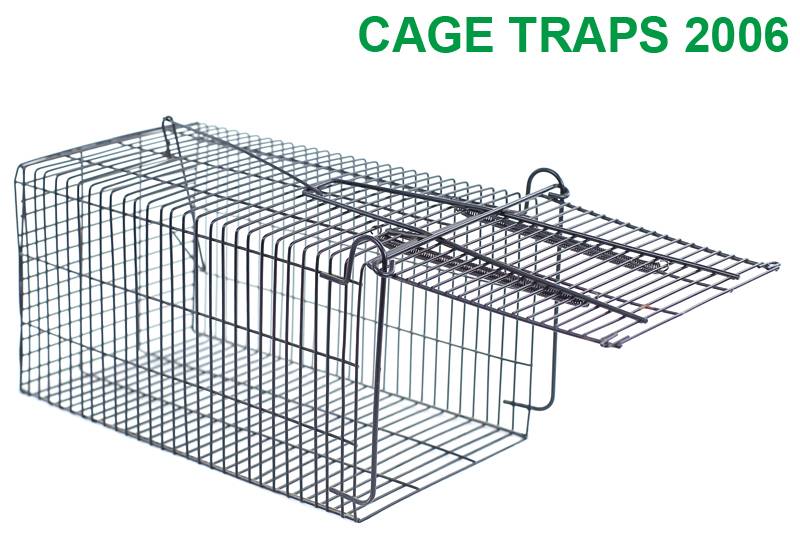


humane live animal trap Manufacturer Pioneers in the Field
Top Selling Products



- Related Blog
- Reviews
