

Lockable Mouse Bait Station - China Manufacturer for Pest Control
As a China-based manufacturer, I know that dependable pest control is critical for facilities with high throughput. Our Lockable Mouse Bait Station provides a secure, tamper‑proof solution that protects bait from children and non-target animals while enabling fast, clean service by your team. Made from impact‑resistant ABS, it withstands warehouse and outdoor conditions. The lockable lid ensures authorized access only, reducing bait waste and contamination. It features a simple refill system, clear view window, and robust mounting options to fit various sites. For B2B buyers, we offer OEM/ODM customization, bulk pricing, and documentation you need for compliance. We ship from China with short lead times, and can tailor sizes or colors to your brand. If you’re looking for a reliable, scalable solution to rodent control, this Station fits right in your SOP and helps you meet safety and hygiene standards.


Lockable Mouse Bait Station Products Leads the Global Market
Lockable mouse bait stations have become the preferred choice for professional pest control and large-scale buyers worldwide thanks to their tamper-proof design, durable materials, and user-friendly refill system. Engineered for safety, each unit features secure locks to protect children and pets, multiple entry points for high catch rates, weather-resistant construction for outdoor use, and modular sizes to suit commercial, industrial, and residential applications. Compliance with international standards and rigorous quality control ensures consistent performance and long service life. With strong manufacturing capacity, flexible OEM/ODM options, and efficient global logistics, these products deliver competitive pricing, short lead times, and customizable packaging to meet retailer and distributor needs. Buyers benefit from detailed technical support, sample availability, and scalable supply arrangements designed for long-term partnerships. Whether upgrading a current portfolio or sourcing reliable mass-market solutions, these lockable bait stations offer a secure, cost-effective answer for global procurement.
| Product Type | Lock Mechanism | Material | External Dimensions (mm) | Bait Capacity (g) | Target Species | Tamper Resistance Features | Certifications / Standards | Typical Use Cases | Global Market Share (%) | Estimated Annual Shipments (thousand units) | CAGR 2019–2024 (%) |
|---|---|---|---|---|---|---|---|---|---|---|---|
| Standard Lockable Station | Keyed barrel lock | High-density polypropylene (UV-stable) | 190 × 120 × 60 | 80 | House mouse, Norway rat (small baits) | Lockable lid, screw-secured base | ISO 9001; RoHS; REACH; UL94 V-0 | Residential, general pest control | 40.0 | 9,000 | 4.0 |
| Dual-Chamber Station | Padlock eye + internal latch | ABS with reinforced hinge | 260 × 140 × 70 | 150 (two chambers) | Multiple rodent species | Internal divider, locking clip | CE; RoHS; UL94 V-2 | Commercial sites, warehouses | 20.0 | 4,500 | 6.5 |
| Low-Profile Slim Station | Snap-lock with security pin | HDPE, low-visibility finish | 160 × 85 × 28 | 35 | Primarily mice | Low-profile latch, tamper pin | RoHS; REACH; UL94 HB | Under-cabinet, along skirting | 13.3 | 3,000 | 7.2 |
| Outdoor Weatherproof Station | Screw-lock with gasket seal | UV-stabilized polycarbonate | 240 × 160 × 90 | 120 | Rats and mice (outdoor) | IP-rated seal, corrosion-resistant fasteners | IP54; RoHS; ISO 9001 | Perimeter, agricultural sites, parks | 15.6 | 3,500 | 5.8 |
| Multi-Bait Modular Station | Interlocking modules with tamper clip | Polypropylene + stainless fasteners | Variable (modular) | Up to 220 (total) | Mixed rodent populations | Lockable connectors, removable modules | CE; RoHS; ISO 9001 | Food processing, integrated pest programs | 8.0 | 1,800 | 8.0 |
| Childproof Mini Station | Child-safe push-and-twist latch | BPA-free polymer blend | 120 × 75 × 45 | 20 | Small mice in sensitive locations | Child-lock mechanism, tamper-evident seal | RoHS; UL94 HB | Homes with children, schools, healthcare | 3.1 | 700 | 3.5 |
Related Products
Toolbox Rat Bait Station 4002 Heavy Duty PP Rodent Bait Box with Lockable Design for Rodent Control
Read More
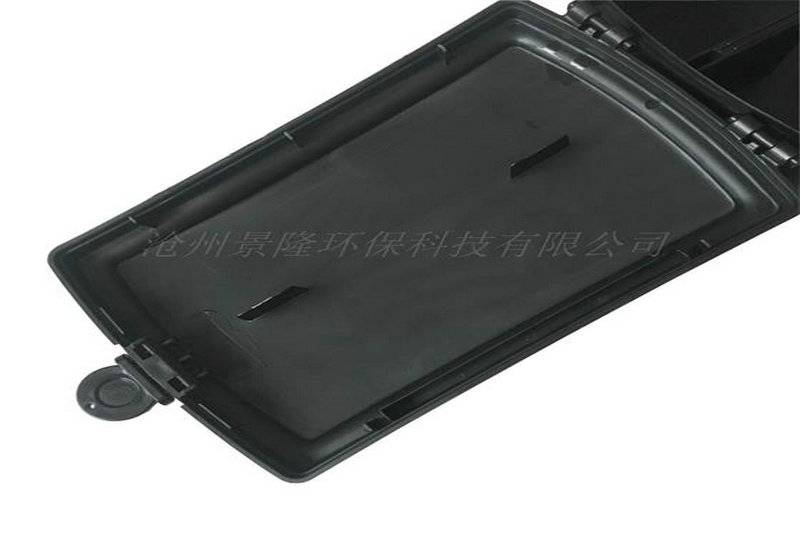


Lockable Mouse Bait Station Manufacturer Where Service Meets Innovation
Top Selling Products


- Related Blog
- Reviews
