JingLong Making Pest Control Easier
Do This for Cockroach Control in Food Processing Premises in Winter
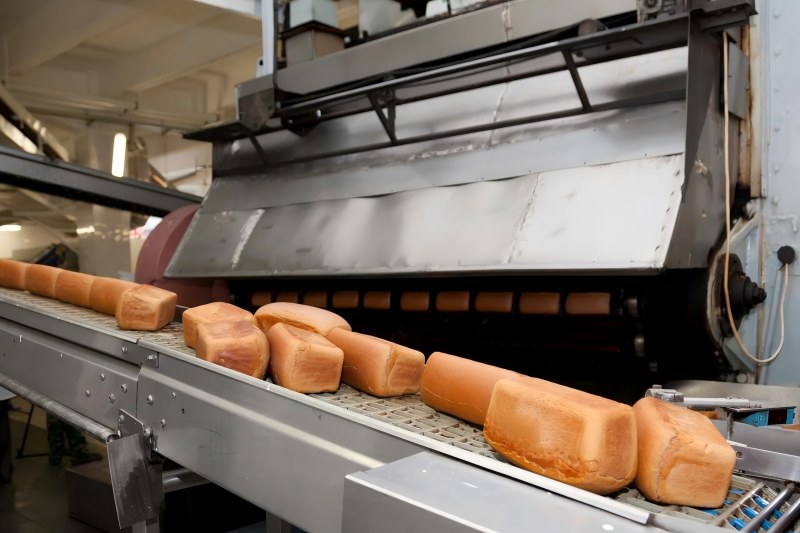
Reasons for the High Pressure of Cockroach Control in Food Processing Premises

① A Warm and Comfortable Indoor Environment
② Abundant Food Sources
③ Complex Environmental Structure
Cockroach Control Measures for Food Processing Premises in Winter
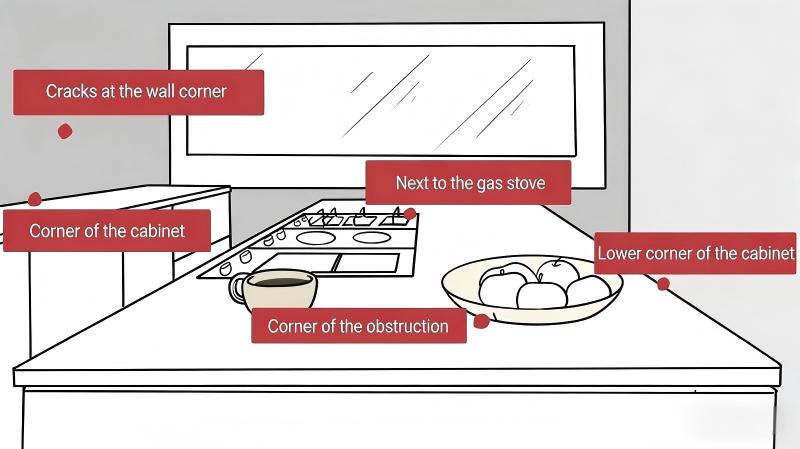
First and foremost, it is essential to identify cockroaches’ hiding spots in a timely manner. Cockroaches are nocturnal and thus hard to detect, and in winter, they are particularly fond of taking shelter around continuously powered electrical appliances such as refrigerators and ovens, as well as in hard-to-clean sanitation blind spots—for instance, near clutter piles and the gaps around doors and windows.
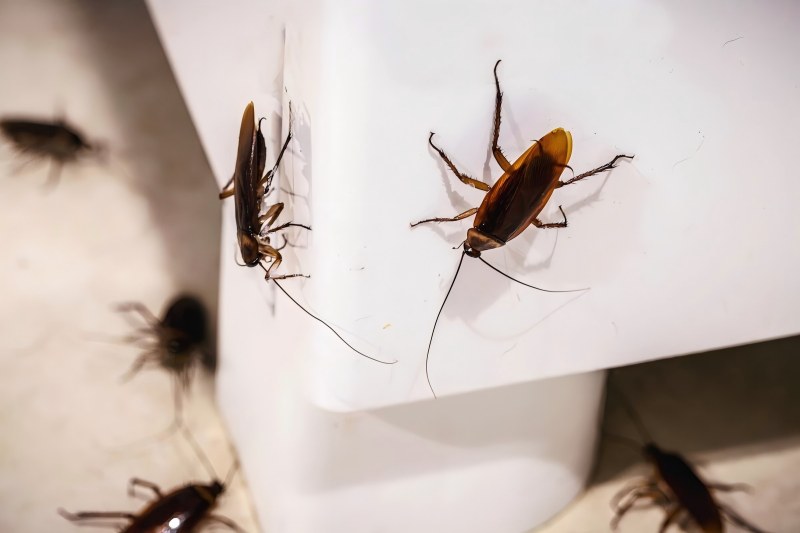
Secondly, it is imperative to adopt safe and highly effective cockroach eradication methods. Food is always present on the premises of food processing facilities, so it is essential to not only prevent cockroaches from contaminating food but also to eliminate the risk of food contamination by pest control products. Therefore, the main cockroach control measures commonly used in food processing premises are as follows:
1. Strengthen indoor environmental sanitation, which is the foundation and key measure. Sanitize all on-site areas effectively: ensure daily collection and disposal of waste, keep workbenches clean and tidy, and cut off cockroaches’ access to food and water sources.
2. Enhance cockroach prevention measures. Conduct regular inspections of walls, facilities and equipment, and repair damaged parts in a timely manner. This reduces the chances of cockroaches sneaking into the premises and also minimizes potential hiding spots for them.
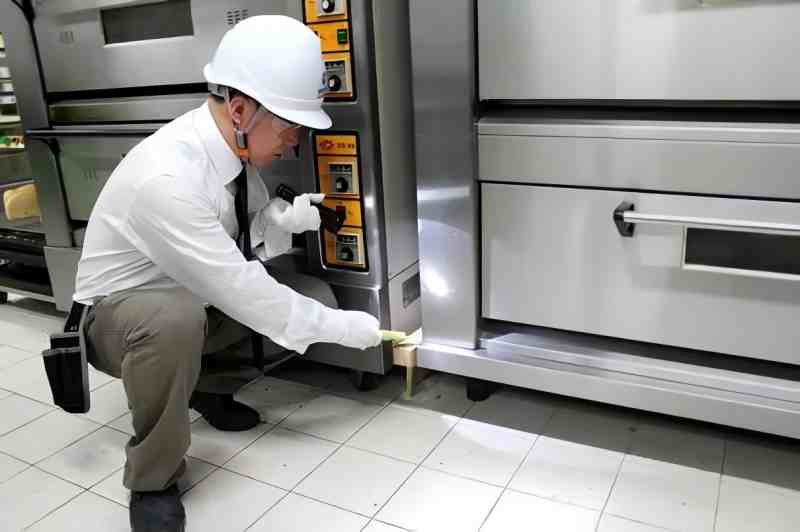
3. Prioritize physical control methods. Place glue traps in cockroach-prone areas such as around food processing workbenches, electrical equipment and cabinets to trap and kill cockroaches. Though not the most efficient method, physical control is highly safe, making it particularly suitable for food processing zones.
4. Chemical Control In cases of a severe cockroach infestation where chemical control is deemed necessary, it is recommended to contact a local pest control company for professional and prudent implementation. Under no circumstances should insecticidal sprays or similar products be used arbitrarily, as this may lead to food contamination and adverse consequences.
JingLong Making Pest Control Easier
Post time: Jan-23-2026