JingLong Making Pest Control Easier
FAQs on the Common Usage of Mouse Glue Traps
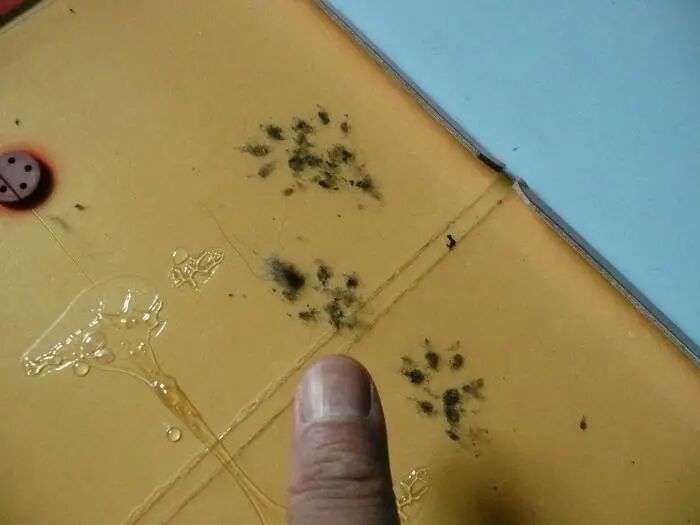
Question 1:I found mouse footprints on the glue trap right after placing it—does that mean it won’t stick the mouse?
A: Mice are cautious and cunning. In the first few days, they will test the glue trap with their paws. So if you see footprints on it, never assume the trap won’t stick them. This is proof that you’ve placed the trap in the right spot. Just wait a few more days patiently—once the mice feel safe, they will step on it voluntarily. If there are no traces at all after 6 to 7 days of placement, please change the position of the glue trap.
Question 2: How long does it take for a glue trap to catch a mouse?
A: Based on years of experience, some mice—usually small house mice with no neophobia—can be caught the same day the trap is set. For most cases, however, you’ll need to wait a few days for results. After all, mice are extremely cunning creatures, so please be sure to wait patiently.
Question 3: Is one glue trap enough since I think there’s only one mouse in my house?
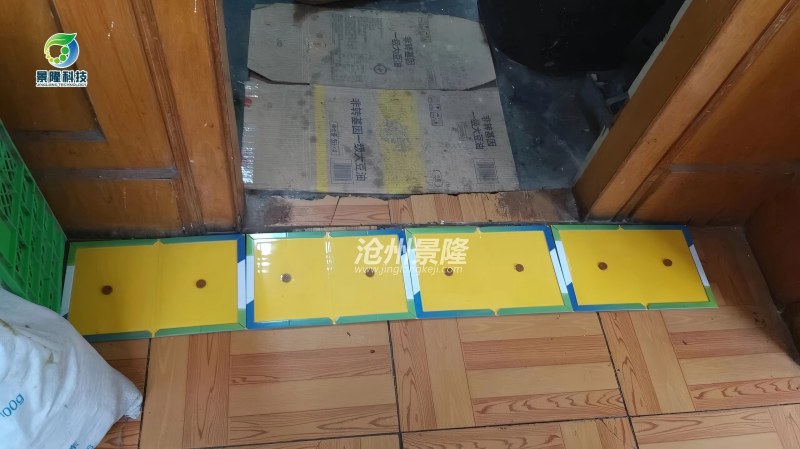
A: On the surface, it may seem acceptable, but mice are intelligent animals that are good at detecting human “conspiracies”. To deceive mice, it is necessary to increase their chances of being deceived, so the number of sticky mouse boards must be increased. From an economic perspective, at least 3 sticky mouse boards are required for a 10 square meter area. If placed too few and improperly, the mice may not even have seen the “surface” of the sticky mouse board, and even the best sticky mouse board is useless.
Question 4:Is a glue trap for single use only? Can it be reused after catching a mouse?
A: Unsoiled glue traps can be stored for future use. Those that have caught a mouse should be folded up and discarded, and reuse is not recommended. This is because a trapped mouse will struggle violently on the trap, leaving it badly damaged and unfit for a second use.
Question 5:Are glue traps the same as mouse glue? What are the differences?
A: In most cases, these two terms actually refer to the same thing—they’re just different names people use out of habit. However, they can sometimes have distinct differences. A mouse glue trap consists of a rigid cardboard base and high-molecular-weight adhesive, which is thick and strong. In contrast, the so-called “mouse glue sheet” is made with thin cardboard and a very thin layer of adhesive (similar to fly glue), which may be thin, uneven, and prone to drying out and losing stickiness. It’s wise to pay close attention when making a purchase.
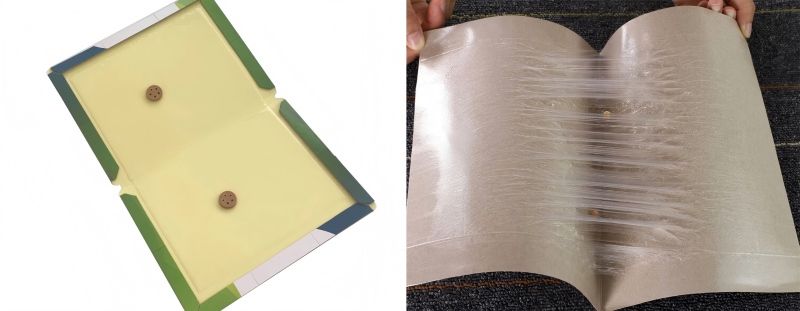
Jinglong Mouse Glue Traps and Ordinary Mouse Glue Sheets
JingLong Making Pest Control Easier
Post time: Jan-27-2026