In rodent control work, the core competitiveness of PCOs (Professional Pest Control Operators) lies not only in professional technology, but more importantly in the ability to select tools scientifically. Blind use of rodent control devices may not only lead to ineffective control, but also pose safety hazards, violate industry regulations, and even harm customers’ interests. Therefore, following the three – tier progressive logic of “scenario → rodent species → product” is the basic principle for PCOs to carry out rodent control work. Next, the editor from Jinglong will break down this scientific selection logic based on some practical operation experiences shared by customers, helping PCOs achieve accurate, safe and efficient rodent control.
Rodent Control Device Selection for PCOs:
Do You Know This Core Logic?
I. Anchor the “Operation Scenario” and Solidify the Safety Baseline
The operation scenario is the primary prerequisite for selecting rodent control devices. Safety requirements and environmental characteristics vary greatly across different scenarios, directly determining which rodent control devices are “usable” and which are “prohibited”. PCOs (Professional Pest Control Operators) need to first accurately position the scenario based on two core dimensions: “sensitive/non-sensitive” and “indoor/outdoor”, and then exclude high-risk devices in combination with the specific needs of the scenario.
From the Perspective of “Sensitivity Level”
Scenarios such as food processing workshops, catering kitchens, and pharmaceutical warehouses fall into the category of high-sensitivity areas. The core requirements for these scenarios are “safety, non-toxicity, and prevention of cross-contamination”. Therefore, facilities with residual risks—such as highly toxic rodenticides and bulk poisoned baits—must be excluded, and priority should be given to physical rodent control tools.
For child-dense scenarios like school classrooms, kindergarten activity areas, and children’s hospitals, in addition to safety and non-toxicity, protection against mechanical injuries is also required. Unprotected traditional mouse traps and exposed rodent cages (which can easily pinch children’s fingers) should be avoided; instead, glue boards with protective casings, rodent traps with shields, or enclosed escape-proof rodent cages can be used.
In contrast, non-sensitive scenarios—such as corridors in ordinary office buildings, outdoor green belts, and warehouse corners—have relatively loose safety restrictions. Rodent control devices can be selected flexibly on the premise of compliance, but highly toxic agents that may harm pets and wild animals still need to be avoided.
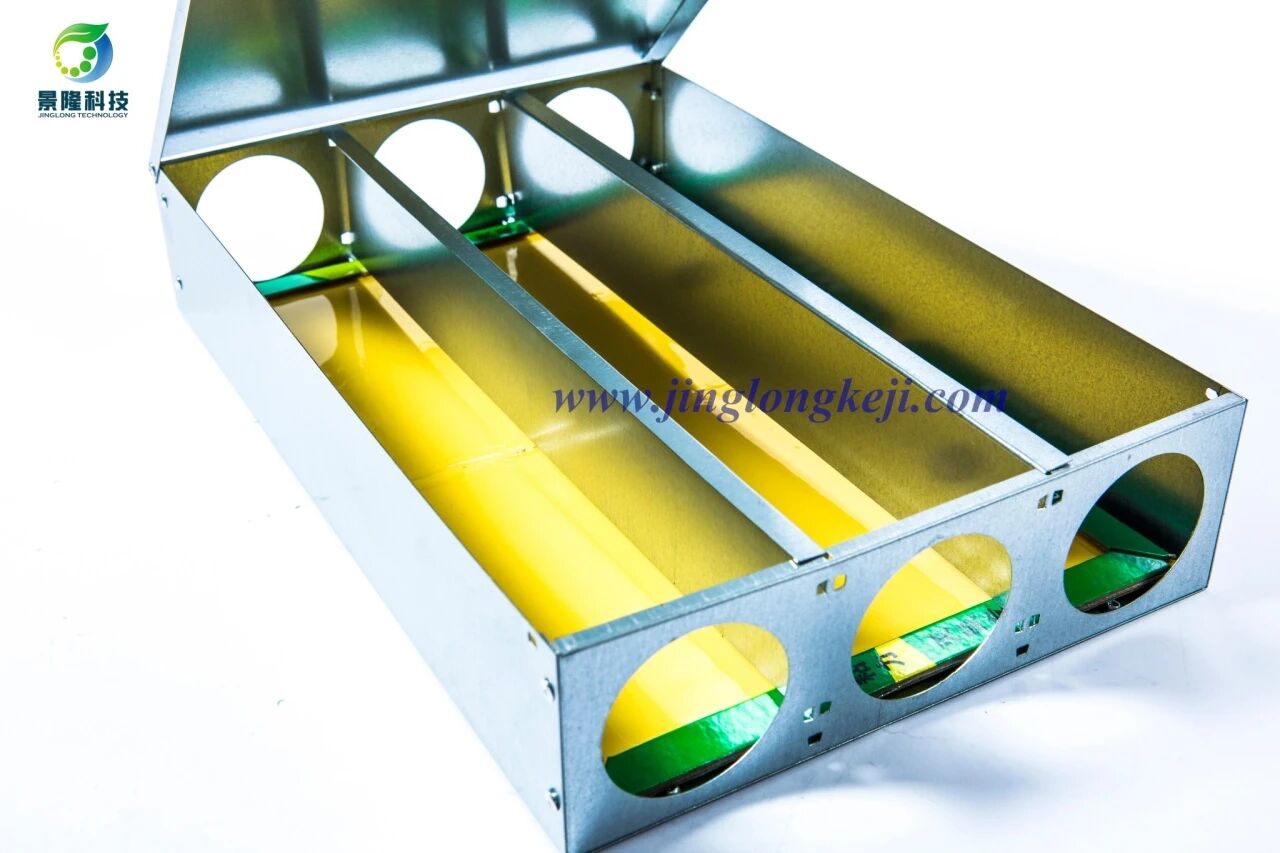
Glue Boards and Protective Shields
From the Perspective of “Indoor vs. Outdoor Attributes”
Outdoor environments are exposed to natural factors such as wind, rain, high temperatures, and humidity, and there may also be stray animals active. Therefore, rodent control devices need to have weather resistance and anti-interference designs—examples include corrosion-resistant metal rodent cages and waterproof rodent bait boxes.
For indoor scenarios, greater emphasis is placed on concealment and hygiene. Compact, easy-to-clean rodent control tools can be selected to prevent the devices themselves from affecting the cleanliness of the indoor environment.
II. Accurately Identify Rodent Species and Match Device Parameters
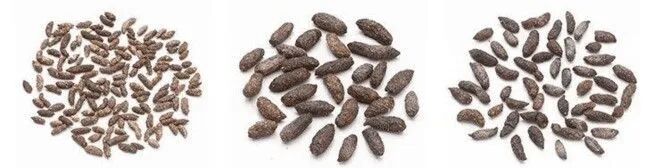
There is a wide variety of rodent species, and significant differences exist in body size, habits, and biting force among different species—these differences directly affect the effectiveness of rodent control devices. When PCOs (Professional Pest Control Operators) cannot observe rodents directly, they can identify the dominant rodent species through traces such as “rodent droppings, burrows, and bite marks.” This identification then helps determine the key parameters of rodent control devices, avoiding awkward situations like “using a large cage to catch small mice” or “trapping large rats with a weak clamp.”
From left to right, they are the droppings of Mus musculus (house mouse), Rattus norvegicus (brown rat), and Rattus tanezumi (yellow-breasted rat) respectively.
The house mouse (Mus musculus) is the most common rodent species indoors. It has a small body and is agile in movement. Its droppings are rice-grain-shaped, and its bite marks are relatively shallow. It mostly digs burrows in wall corners and gaps between furniture.
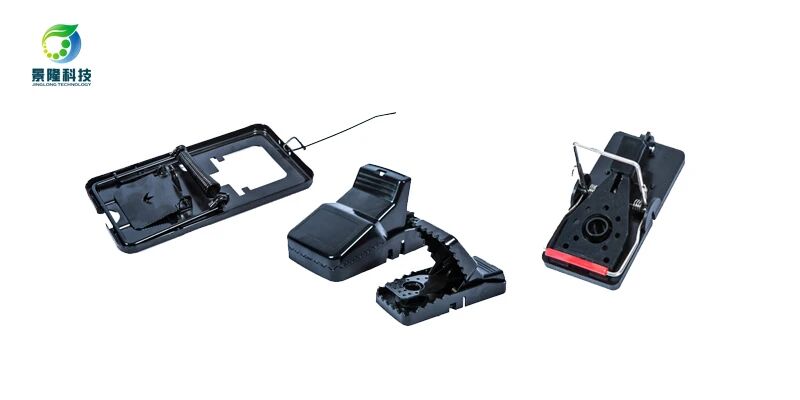
For targeting house mice, rodent cages do not need to be overly large. As for mouse traps, small-sized ones with moderately strong springs should be selected—this avoids situations where excessive spring force either allows the house mouse to escape or crushes its body, leading to contamination.
Jinglong Mouse Trap
The brown rat (Rattus norvegicus) is relatively large in size and has strong biting force. It often inhabits damp areas such as underground spaces and sewers. Its droppings are spindle-shaped, and its bite marks are deep and rough. The entrances to its burrows are relatively large, mostly located at wall corners and gaps in the ground. To catch brown rats, large-sized rodent cages should be used. For mouse traps, high-strength springs must be equipped to ensure the brown rat can be subdued instantly. Meanwhile, the spacing between the wires of the rodent cage should be controlled within 1 centimeter to prevent the rat from escaping through the gaps.
The
yellow-breasted rat (Rattus tanezumi) has a body size between that of the house mouse (Mus musculus) and the brown rat (Rattus norvegicus). It is adept at climbing and often moves in high places such as ceilings and the tops of shelves. Its droppings are banana-shaped, and its bite marks are smooth with a moderate depth. Its burrows are mostly located in high-place gaps or wooden structures.
In response to its climbing habit, rodent control devices that can be fixed to walls or shelves can be selected. The spring force of these devices needs to be slightly stronger than that of those designed specifically for house mice, to ensure a successful capture rate.
III. Clarify the Control Objectives and Finalize the Ultimate Plan
Different clients have varying rodent control needs. Based on the three core objectives of “rapid elimination, live capture, and long-term rodent management,” and on the premise of scenario adaptation and rodent species matching, PCOs (Professional Pest Control Operators) need to select the most suitable rodent control devices and combination plans to deliver “customized-on-demand” professional services.
If the client’s requirement is “rapid elimination“—such as sudden rodent infestations in catering kitchens or temporary rodent removal in event venues—priority should be given to devices that take effect quickly and have high efficiency. For medium to large rodent species like brown rats (Rattus norvegicus) and yellow-breasted rats (Rattus tanezumi), high-strength mouse traps can be used with highly attractive baits to ensure a reduction in rodent density within a short period. For areas with dense house mouse (Mus musculus) populations, multiple sets of glue boards can be placed in concealed locations to form a “rodent trapping network,” thereby improving elimination efficiency. It should be noted that during the rapid elimination process, clear labels must be attached to the devices to prevent accidental contact. After elimination, rodent carcasses should be cleaned up promptly to avoid odor and the spread of pathogens.
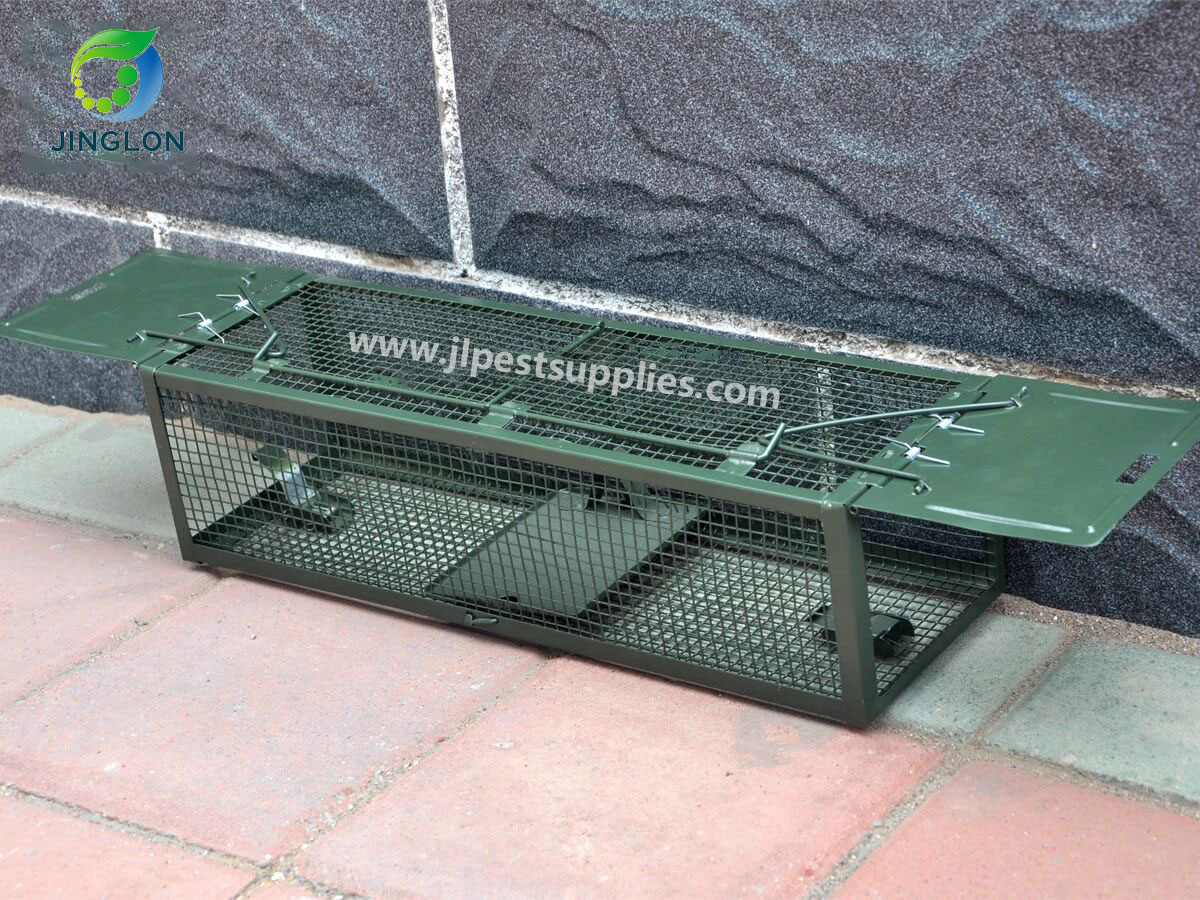
If the client’s requirement is “live capture“—such as in scenarios like laboratories, areas around zoos (where accidental killing of protected animals must be avoided), and households with pets—rodent cages are the ideal choice. When selecting rodent cages, attention should be paid to adjusting the cage size and trigger mechanism according to the rodent species to ensure the cage “closes instantly upon contact” and prevents live rodents from escaping. After capture, the live rodents must be transported to a designated area for disposal in accordance with the client’s requirements or industry regulations to avoid secondary contamination.
Double-door Mouse Trap JL-2012
If the customer’s requirement is “long-term rodent control” — such as in factories, warehouses, high-end residential communities, etc. — it is necessary to build a comprehensive prevention and control system integrating “facilities + environment” to achieve continuous control of rodent populations. In this case, rodent bait stations are the core facilities: it is essential to select models with durable materials and anti-interference performance, place corresponding slow-acting rodent baits (which must comply with relevant national standards) based on the type of rodents, and regularly check the consumption of baits in the stations, supplementing and replacing them in a timely manner. At the same time, environmental management should be carried out in conjunction: assist customers in blocking rodent holes, cleaning up food residues, and organizing piles of debris to eliminate the living and foraging conditions of rodents, thereby curbing the resurgence of rodent infestations at the source.
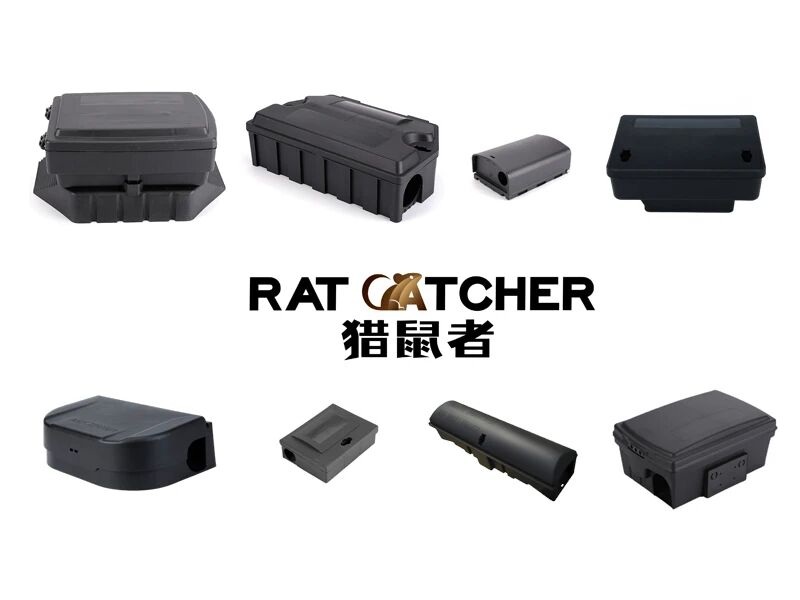
Hunter Rodent Bait Station Series
Summary: A Three-Tier Logical Closed-Loop for Professional and Compliant Pest Control
“Assess scenarios to ensure safety, identify rodent species to match parameters, and select products based on goal orientation” — these three tiers of logic form a complete closed-loop for PCOs (Pest Control Operators) to choose rodent control equipment. By following this logic, PCOs can not only effectively improve rodent control efficiency and achieve ideal prevention and control results, but also strictly comply with the safety requirements of different scenarios and the personalized needs of customers. Meanwhile, it aligns with the norms and standards of the pest control industry, helping PCOs establish a professional and reliable service image. In practical operations, PCOs should also flexibly adjust their strategies based on the specific conditions of on-site surveys, ensuring that rodent control equipment truly becomes a “precision tool” for rodent prevention and control.
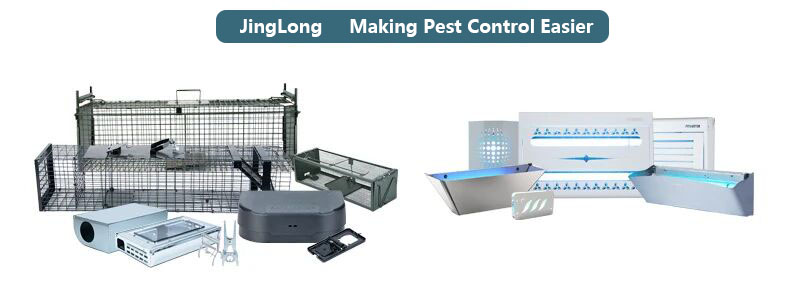
Jinglong Pest Control Equipment Products
Post time: Nov-22-2025