JingLong Making Pest Control Easier
Rodent bait stations are an effective tool for controlling rodents such as mice and rats. However, placing bait stations is not a random task – a professional on-site survey is a crucial step that directly impacts the rodent control efficacy and operational safety.
Site survey is the key to placing rodent bait stations!
Why conduct a site survey?
I.Understand rodent activity
On-site surveys enable the identification of rodent species, population size, activity ranges, behavioral patterns and other key information, which provides a scientific and rational basis for formulating effective rodent control plans.
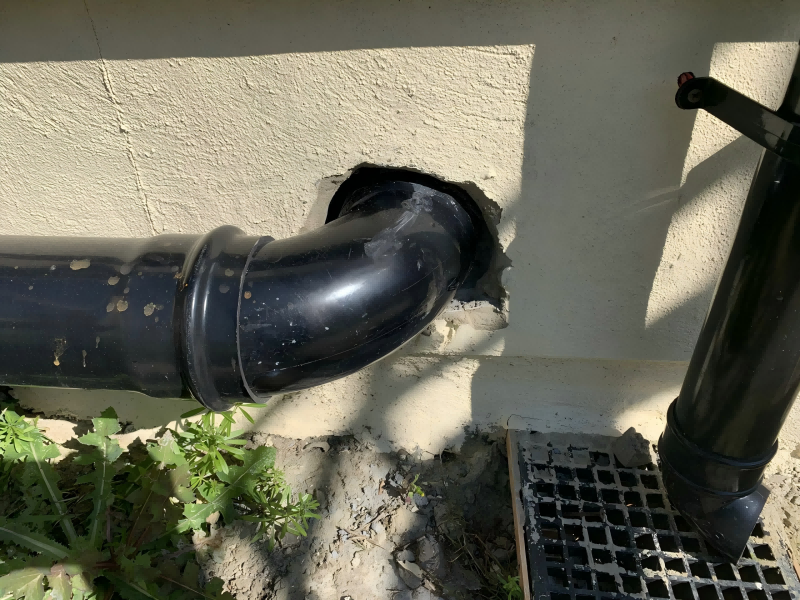
- The rodent bait selected varies with different rodent species.
- A large rodent population requires an increase in the number and density of rodent bait stations.
- Only by understanding the rodents’ activity range and patterns can we place the bait stations in their frequent haunts and improve the rodent control efficiency.
II.Evaluate the environment
- Avoid placing bait stations in areas accessible to children and pets to prevent accidental ingestion.
- Avoid placing bait stations in damp, high-temperature or direct sunlight areas to prevent the bait from deteriorating and losing efficacy.
- Avoid placing bait stations near food and water sources to prevent contamination.
III.Choose the right type of rodent bait station
Select the appropriate type of rodent bait station based on the on-site environment.
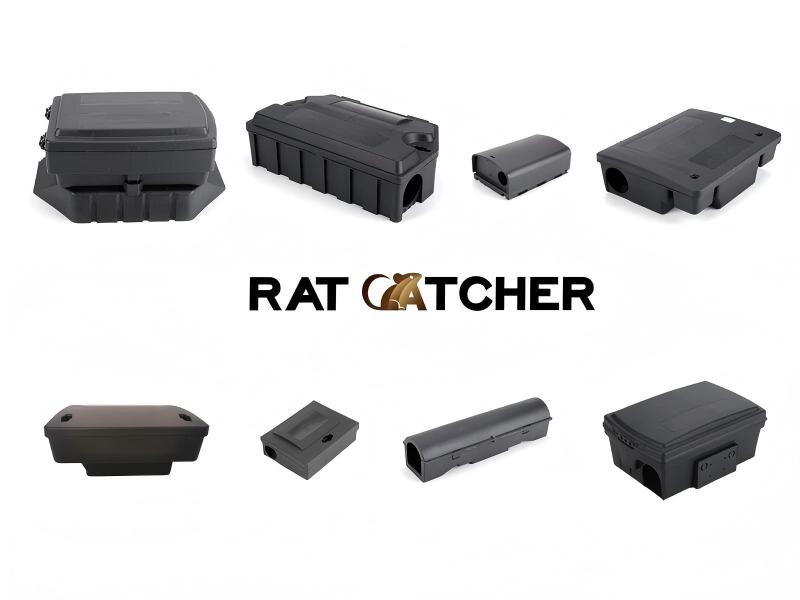
- Indoor environments: Small, concealed rodent bait stations such as plastic ones are recommended.
- Outdoor environments: Waterproof, sun-resistant and durable rodent bait stations are ideal, e.g., concrete and metal bait stations.
How to conduct an on-site survey?
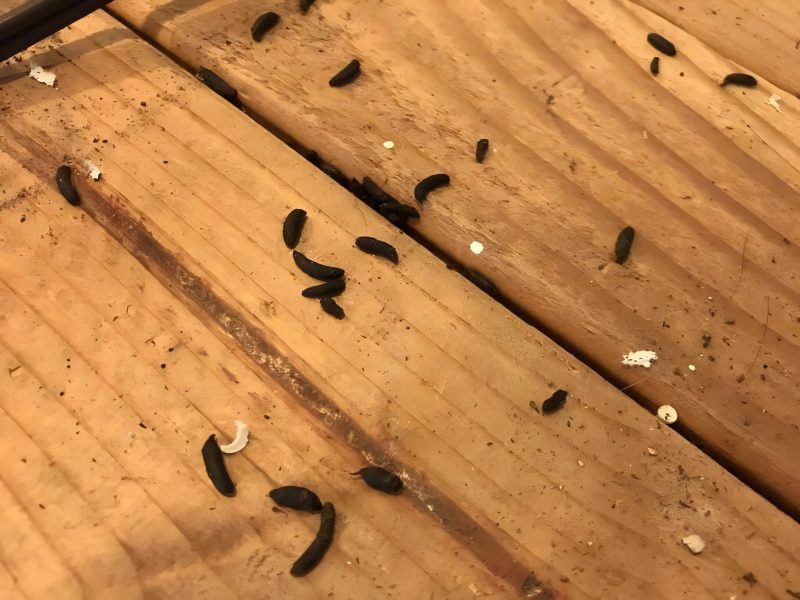
- Observe signs of rodent activity: such as droppings, burrows, runways and gnaw marks.
- Consult relevant personnel: such as residents, property managers, etc., to learn about the time and locations where rodents are frequently sighted.
- Use monitoring tools: such as the powder track method, snap traps, etc., to monitor rodent activity.
What aspects should be focused on during an on-site survey?
I. Rodent Activity Signs
Observe rodent droppings, footprints, gnaw marks, runways and other signs to determine their activity range and movement routes.
II.Environmental Factors
Understand the building structure, surrounding environment, sanitation conditions and other aspects, and assess the rodents’ habitats and food sources.
III.Potential safety hazards
Inspect areas accessible to children, pets and other vulnerable groups, and avoid placing rodent bait stations in hazardous locations.
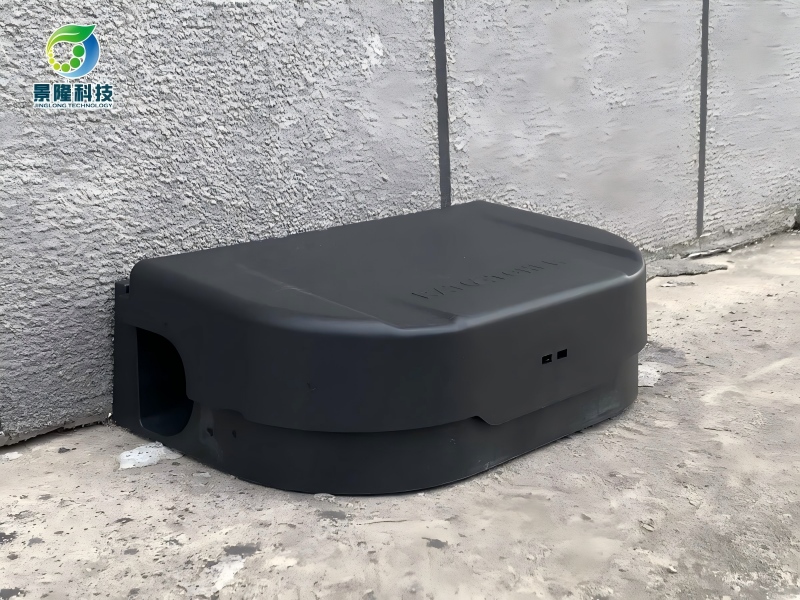
On-site survey is an indispensable key step in the placement of rodent bait stations. It is not only crucial to the effectiveness of vector pest control, but also directly bears on public health and safety as well as environmental protection. Only by attaching great importance to on-site surveys can the rodent bait stations truly exert their important role in safeguarding public health and safety.
JingLong Making Pest Control Easier
Post time: Feb-06-2026