
-
Winter Rodent Control: How to Choose the Right Equipment for Commercial Facilities
- A Practical Guide for Pest Control Professionals, Distributors and Facility Managers*
As temperatures drop, rodents may increasingly seek warmth, food and shelter inside buildings. Food processing facilities, warehouses, supermarkets, restaurants and other commercial premises can become attractive environments for mice and rats during the colder months.
For pest management professionals, winter rodent control is not simply about placing more traps. It is about selecting the right equipment, identifying potential risks and establishing an effective, long-term prevention and monitoring program.
So, how can pest control professionals choose the right rodent control equipment for different commercial environments?
1. Start with Prevention, Not Just Treatment
Effective rodent management begins before an infestation occurs.
Before selecting or installing rodent control devices, professionals should conduct a thorough site inspection, paying particular attention to:
- Gaps around doors, windows and utility pipes
- Loading docks and warehouse entrances
- Food storage and waste disposal areas
- Rodent droppings, gnaw marks and potential nesting areas
- Areas with limited human activity
Identifying potential entry points and rodent activity helps professionals develop a more targeted control strategy and avoid unnecessary equipment placement.
Rodent-proofing materials, such as metal mesh and suitable sealing products, can also help reduce the risk of rodents entering buildings.
2. Choose the Right Rodent Control Equipment
Different environments require different control methods. No single device is suitable for every application.
Rodent Bait Stations – Controlled Access and Perimeter Protection
Lockable rodent bait stations are widely used in commercial rodent management programs, particularly around building perimeters, warehouses and service areas.
A well-designed bait station should offer:
- Durable construction for repeated use
- Secure locking mechanisms
- Flexible bait or trap configuration
- Convenient inspection and maintenance
- Weather-resistant construction for suitable outdoor applications
Depending on the model, bait stations can accommodate monitoring blocks, approved rodenticide baits or mechanical traps.
Rodenticide use must always comply with local regulations and product label requirements.
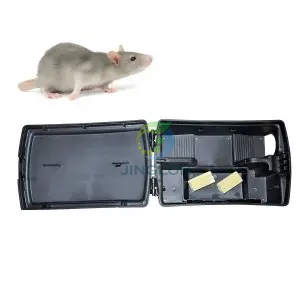
Multi-Catch Mouse Traps – Continuous Indoor Mouse Control
Multi-catch mouse traps are particularly useful in commercial environments where continuous mouse monitoring and capture are required.
Unlike conventional single-catch traps, multi-catch designs allow multiple mice to be captured without manually resetting the mechanism after every capture.
Typical applications include:
- Food processing facilities
- Warehouses and distribution centers
- Commercial kitchens
- Supermarkets
- Industrial buildings
Reusable metal construction and convenient inspection make these devices practical options for professional rodent management programs.
Live-capture devices must be inspected frequently and managed in accordance with applicable animal welfare requirements.
Mechanical Snap Traps – Targeted Rodent Control
Mechanical snap traps provide a practical, non-chemical option for targeted rodent control.
When selecting snap traps, pest control professionals should consider trigger sensitivity, device durability, target rodent size and ease of operation.
Combining mechanical traps with compatible protective stations can help reduce unintended access by non-target animals and people.
3. Match the Equipment to the Environment
Selecting equipment according to the application environment can improve both operational efficiency and the effectiveness of a rodent management program.
Application Environment Recommended Equipment Food Processing Facilities Multi-catch mouse traps, enclosed mechanical traps and monitoring devices Warehouses & Distribution Centers Bait stations, multi-catch traps and rodent-proofing materials Restaurants & Commercial Kitchens Enclosed mechanical traps and compact monitoring devices Supermarkets & Retail Stores Discreet mouse traps and lockable monitoring stations Outdoor Building Perimeters Suitable weather-resistant bait stations Large Commercial & Industrial Facilities Smart rodent monitoring systems combined with conventional control devices Equipment selection and placement should always be based on site-specific risk assessments and applicable local requirements.
4. Move from Reactive Control to Proactive Monitoring
Traditional rodent control programs rely heavily on scheduled manual inspections. However, for large facilities and pest control companies managing multiple sites, these inspections can require significant time and labor.
Smart rodent monitoring technology offers an additional way to manage rodent activity.
Depending on the system configuration, connected monitoring devices can help professionals:
- Receive remote rodent activity alerts
- Identify high-risk locations
- Prioritize inspection and maintenance visits
- Improve service efficiency
- Maintain digital monitoring records
By combining conventional rodent control equipment with smart monitoring technology, pest management professionals can develop a more proactive and data-driven approach.
5. What Should Professional Buyers Look for in Rodent Control Equipment?
For pest control distributors, importers and professional service providers, product selection should go beyond the initial purchase price.
Long-term value also depends on:
- Product durability and consistent quality
- Ease of installation and servicing
- Compatibility with replacement parts and accessories
- Suitability for different commercial environments
- Reliable manufacturing and supply capabilities
- Availability of OEM and customization services
Selecting the right equipment and manufacturing partner can help businesses build a more competitive product portfolio while supporting the needs of their customers.
Prepare for Winter with JingLong
With more than 20 years of experience in professional pest control equipment manufacturing, Jing Long is committed to providing practical and reliable solutions for the global pest management industry.
Our rodent control product portfolio includes:
- Professional rodent bait stations
 Metal multi-catch mouse traps
- Mechanical mouse and rat traps
- Rodent-proofing materials
Whether you are a pest control distributor expanding your product range, an importer sourcing professional equipment, or a pest management company looking to improve service efficiency, Jing Long can support your business with a range of rodent control solutions.
Effective rodent control starts with the right equipment, the right strategy and the right manufacturing partner.
Contact us to explore our professional rodent control product range and discuss your sourcing or OEM requirements.
Identifying potential entry points and rodent activity helps professionals develop a more targeted control strategy and avoid unnecessary equipment placement.
Rodent-proofing materials, such as metal mesh and suitable sealing products, can also help reduce the risk of rodents entering buildings.
Post time: Nov-27-2026