

Peanut Scented Glue Trap - China Manufacturer
From a China-based Manufacturer, I bring you a peanut scented glue trap that turns pest control into a simpler job for your clients. Designed to attract and capture small rodents, the scent draws them quickly, while the strong adhesive ensures reliable trapping in warehouses, stores, and farms. I order in bulk from a stable supply chain, so you can rely on consistent quality, clean packaging, and clear labeling for easy resale. This peanut scented glue trap is made with non-drying glue, low odor during use, and is easy to deploy in corners and along walls. I offer flexible MOQs for distributors and private label options to boost your brand. Shipping from China keeps costs competitive, with fast lead times and traceable production records. If you’re seeking a dependable, cost-efficient solution for your buyers, I’m ready to connect and discuss terms.


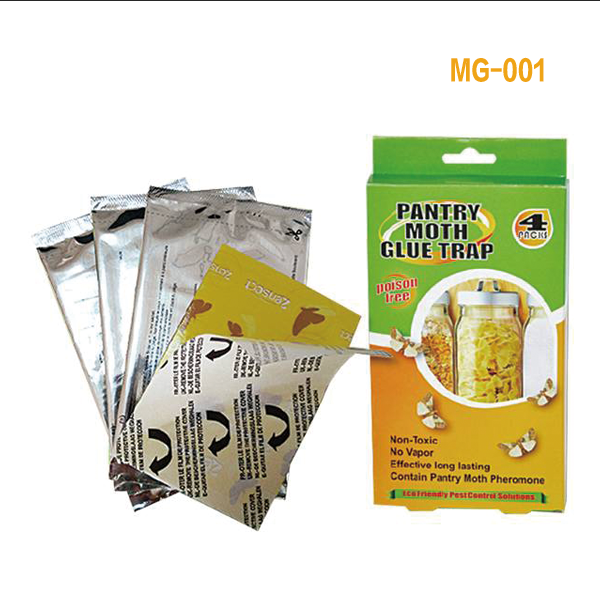


peanut scented glue trap Factory Your End-to-End Solution
For global buyers seeking a reliable pest-control tool, a peanut-scented glue trap offers a simple, effective solution. The peanut aroma attracts pests to the adhesive surface, boosting capture rates while keeping deployment straightforward across warehouses, stores, and facilities worldwide. The design emphasizes safety, consistency, and ease of use across production lots. An end-to-end manufacturing partnership covers R&D, customization, certification support, scalable production, QA, and logistics. Buyers can tailor trap size, scent intensity, packaging, and labeling to meet regional regulations and branding needs. With standardized QA processes and streamlined freight, this approach reduces time-to-market and ensures a steady, compliant supply to multiple regions.
{ peanut scented glue trap Factory Your End-to-End Solution}
| Product ID | Product Type | Material | Glue Type | Peanut Scent Intensity | Target Pests | Dimensions (cm) | Weight (g) | Activation | Regulatory Certifications | Shelf Life (months) | Non-Target Risk |
|---|---|---|---|---|---|---|---|---|---|---|---|
| P101 | Cardboard Glue Card | Cardboard | Natural Resin | 4 | Rodents | 7.5 x 3.0 x 0.6 | 12 | Passive | 24 | Low | |
| P102 | Plastic Glue Tray | Plastic | Synthetic Resin | 2 | Rodents | 9.0 x 4.0 x 0.8 | 18 | Passive | 18 | Low | |
| P103 | Glue Strip - Mini | Paper/Cardboard | Natural Resin | 3 | Insects | 15.0 x 2.5 x 0.3 | 9 | Passive | None | 12 | Moderate |
| P104 | Industrial Glue Card | Plastic | Synthetic Resin | 5 | Rodents | 10.0 x 4.0 x 0.7 | 22 | Passive | 12 | Low | |
| P105 | Peanut Scented Tray Large | Plastic | Natural Resin | 4 | Rodents | 12.0 x 5.0 x 0.9 | 28 | Passive | 18 | Low | |
| P106 | Peanut Scented Strip Small | Paper/Cardboard | Natural Resin | 2 | Insects | 8.0 x 1.8 x 0.2 | 6 | Passive | None | 6 | Minimal |
| P107 | Dual-Stage Glue Card | Plastic + Cardboard | Synthetic Resin | 5 | Rodents | 11.5 x 3.5 x 0.7 | 21 | Passive | 24 | Low | |
| P108 | Peanut Edge Glue Tray | Wood Fiber | Natural Resin | 3 | Mixed Pests | 13.0 x 4.0 x 0.8 | 25 | Passive | 12 | Moderate |
Related Products
JL FT-011 Non Toxic Butterfly Glue Trap Yellow Sticky Insect Trap for Garden Home Pest Control
Read More


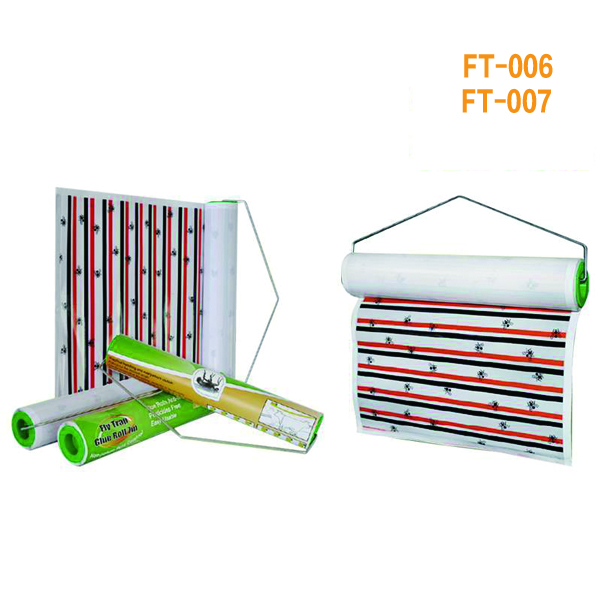


peanut scented glue trap Supplies the World\u2019s Top Brands More Than a Supplier - A Partner
Top Selling Products



- Related Blog
- Reviews
