

professional rat control solution - China Manufacturer
I bring a professional rat control solution that fits warehouses, factories, and food processing plants. As a China-based Manufacturer, I tailor the offer for buyers who demand reliability, compliance, and steady supply. You get fast knockdown, low odor, and tamper‑proof stations that stand up to harsh environments. The system integrates discreet monitoring, easy maintenance, and clear reporting so your operations stay safe and compliant. I can customize bait station configurations, packaging, and labeling to meet local regulations and your branding. Lead times are short, and factory-direct pricing helps your margin. We support installation, staff training, and after‑sales service with spare parts availability. This solution is designed for bulk orders and distributed networks, perfect for distributors and OEMs seeking a scalable, proven professional rat control solution. Let me show you how we can align with your China-based supply chain and become a trusted Manufacturer partner for your business.


professional rat control solution Market Leader Custom Solutions,
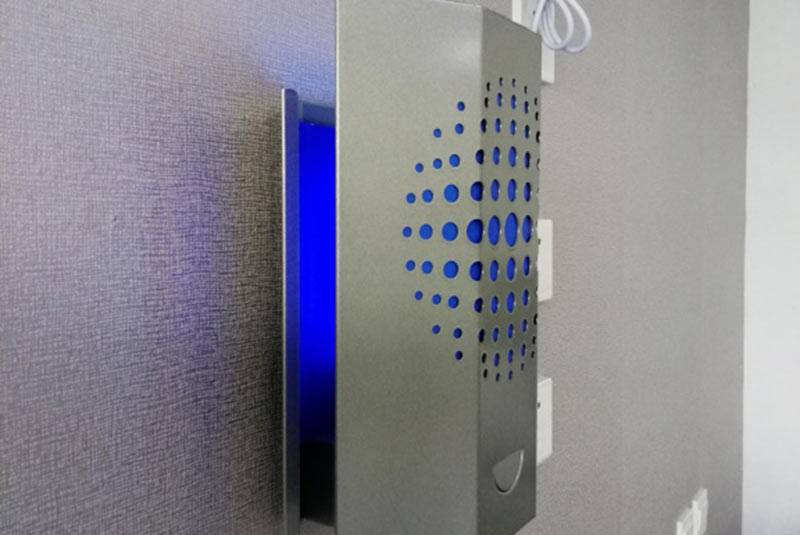
As a market leader in professional rat control solutions, we deliver customizable, high-performance systems designed for global buyers who demand reliability, safety, and cost-efficiency. Our product range includes durable bait stations, tamper-resistant traps, electronic deterrents and integrated monitoring modules that can be tailored to specific environments—from food processing plants and warehouses to urban pest management programs. Solutions comply with international safety and material standards, offer modular installation, and support both humane and regulatory-compliant control strategies. For international procurement teams seeking OEM/ODM flexibility, we provide rapid prototyping, scalable production, strict quality control, and logistics support to meet diverse market requirements. Technical documentation, installation guidance, and after-sales training ensure smooth rollout and long-term effectiveness. Partner with us for custom specifications, competitive lead times, and a professional approach to reducing rodent risk across global supply chains.
{ professional rat control solution Market Leader Custom Solutions,}
| Operational Context | Typical Species (scientific) | Common Infestation Indicators | Primary Entry Points | Recommended Control Strategies | Habitat Modification Actions | Monitoring Frequency | Typical Response Time | Expected Short-term Success Rate |
|---|---|---|---|---|---|---|---|---|
| Urban residential (single-family) | Norway rat (Rattus norvegicus) | Droppings near basements, gnaw marks on wiring, grease marks along skirting | Foundation gaps, sewer connections, poorly sealed crawlspaces | Sanitation, exclusion (seal gaps), strategic trapping, targeted professional assessment | Remove food clutter, secure compost, store pet food in sealed containers | Weekly visual checks for 4–8 weeks after initial action | 24–72 hours for initial on-site assessment | 75–90% |
| Commercial kitchen / restaurant | Roof rat (Rattus rattus) & Norway rat | Droppings in storage rooms, chew marks on packaging, nocturnal activity | Service doors, roof vents, gaps around utilities | Immediate exclusion of access points, intensive sanitation, mechanical trapping, professional IPM review | Implement sealed food storage, schedule deep-clean cycles, maintain waste enclosure integrity | Daily checks during outbreak, then bi-weekly until clearance | 12–48 hours for urgent intervention | 80–95% |
| Warehouse / distribution center | Norway rat (Rattus norvegicus) | Packaging damage, runways along racks, grease/oil marks | Loading dock seals, dock plate gaps, cracked foundations | Perimeter exclusion, targeted trapping along runways, ambient sanitation of stored goods | Elevate pallets, repair dock seals, remove spill residues promptly | Weekly to bi-weekly, with intensified monitoring during seasonal peaks | 24–72 hours for on-site inspection and trapping setup | 70–88% |
| Food processing facility | Norway rat; occasional mice (Mus musculus) | Contamination of product zones, droppings in production lines, nesting in voids | Service penetrations, conveyor chases, roof access points | Strict sanitation protocols, exclusion of service penetrations, mechanical trapping, continuous audit | Maintain sealed processing envelopes, schedule structural audits, implement no-food zones | Daily to weekly during production; continuous record-keeping | Same-day priority response for contamination risk | 85–98% |
| Agricultural storage (grain, silos) | Norway rat; field rats (context-dependent) | Damaged sacks, gnaw marks at base of silos, tailings around storage | Silo vents, unloading chutes, gaps at silo bases | Physical exclusion, regular cleanouts, targeted trapping at access points | Maintain buffer zones, elevate storage, repair structural damage promptly | Bi-weekly during storage season; daily during loading/unloading | 24–72 hours depending on access and safety constraints | 65–85% |
| Public park / green space | Norway rat; wild commensal populations | Burrows near water, droppings along paths, nocturnal sightings | Riparian vegetation, stormwater drains, refuse collection points | Habitat reduction, targeted trapping near water/collection points, public waste management | Secure trash receptacles, reduce dense groundcover near kiosks, maintain drainage | Monthly monitoring; increased checks after heavy rains or events | 48–96 hours for planning and safe deployment | 60–80% |
| Transportation hub (stations, ports) | Norway rat; Roof rat in elevated structures | Droppings behind panels, gnawed wiring in vehicles, nesting in cargo holds | Cargo doors, service tunnels, vehicle bays | Integrated exclusion across facility, trapping in cargo zones, scheduled inspections of rolling stock | Seal doors and bays, secure cargo, routine sanitation of layover areas | Weekly inspections; before/after peak transport loads | 24–48 hours for targeted operations | 70–90% |
| Healthcare facility (non-surgical areas) | Norway rat; occasional mouse species | Droppings in storage corridors, evidence near waste rooms, gnaw marks on non-critical infrastructure | Utility chases, delivery entrances, waste storage areas | Strict exclusion, immediate sanitation, mechanical trapping in non-clinical zones, coordination with infection-control teams | Secure medical waste, maintain sealed service conduits, implement access controls | Daily checks in high-risk zones; weekly elsewhere | Immediate (within 12–24 hours) for any contamination risk | 85–97% |
| Multi-unit housing (apartments) | Roof rat and Norway rat depending on building height/layout | Nocturnal noises in walls, droppings in kitchens, gnawing at food packaging | Shared utility shafts, poorly sealed vents, balcony gaps | Building-wide exclusion program, tenant education, trapping in common areas | Seal shared penetrations, standardize refuse storage, enforce tenant housekeeping | Bi-weekly inspections; immediate follow-up on tenant reports | 24–72 hours for response to tenant complaints | 75–90% |
| Educational institution (schools, campuses) | Norway rat; mice in older buildings | Droppings in storerooms, chewed books/paper, sightings around cafeterias | Utility conduits, attic/roofline gaps, food service delivery areas | Sanitation programs, sealing of attic/roofline access, targeted trapping in non-classroom zones | Secure food service, regular structural maintenance, eliminate nesting material | Weekly during term; increased checks during vacation periods | 24–72 hours for assessment and targeted setup | 72–89% |
Related Products
JL4001 Detachable Rat Bait Station Lockable PP Rodent Bait Box for Professional Rodent Control
Read More


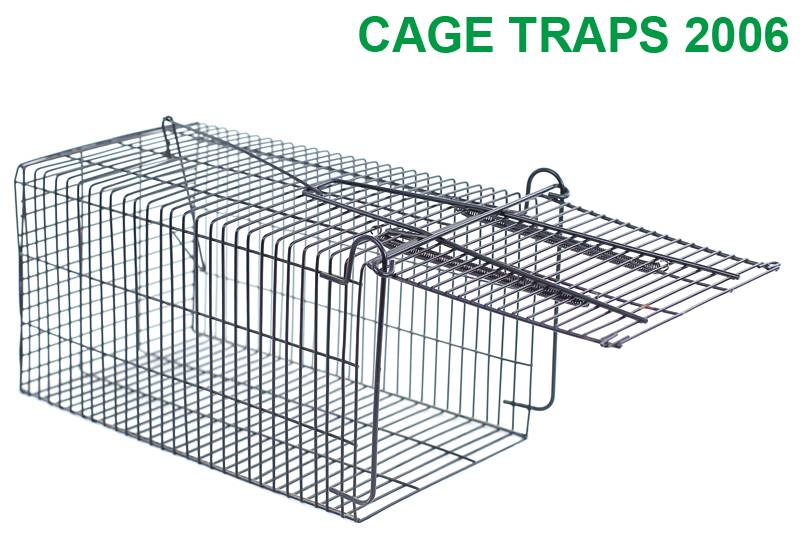


professional rat control solution Supplies the World\u2019s Top Brands Factory-Direct Excellence
Top Selling Products



- Related Blog
- Reviews
