

Rodent Drain Barrier - China Manufacturer Drain Protection Solutions
From our factory in China, I offer a reliable rodent drain barrier built for busy commercial use. As a proud Manufacturer, I know you need results fast, not excuses. This barrier sits in the drain trench, blocking rats and mice while letting wastewater flow freely. It’s corrosion-resistant, UV-stable, and made from durable stainless steel (304/316) or heavy-duty polymer, engineered to withstand high flows and harsh cleaners. Installation is straightforward—no special tools, just snap-in panels and tight seals that fit most standard trench gratings. It reduces pest-related clogs, saves maintenance time, and lowers contamination risk in kitchens, food plants, hotels, and factories. I offer customization for size, mesh aperture, and mounting style to fit your project. If you’re sourcing a dependable rodent drain barrier from a China Manufacturer, contact me today for a quote and fast lead times.
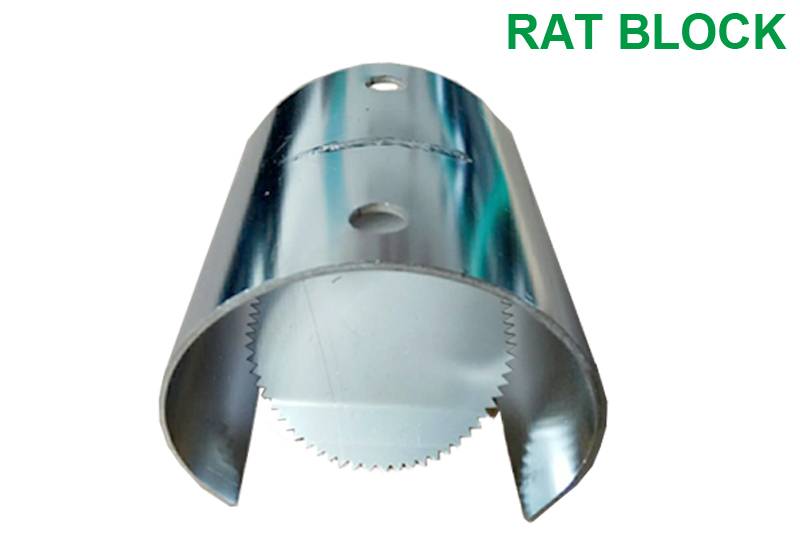


rodent drain barrier Trusted by Pros Service Backed by Expertise
Professionally engineered rodent drain barriers designed for long-term protection and uninterrupted drainage. Made from corrosion‑resistant materials with precision-formed louvers and fine mesh, these barriers stop rats, mice and other pests without blocking water flow or airflow. Field-tested by pest control and plumbing professionals, they are easy to retrofit into existing drains, comply with common building standards, and maintain performance in harsh outdoor and industrial environments. Backed by technical expertise and responsive global supply capabilities, we offer flexible sizing, OEM packaging, inspection reports and fast lead times for bulk procurement. Comprehensive installation guidance, testing documentation and after‑sales support ensure smooth implementation and consistent quality for large projects. Ideal for buyers seeking reliable, proven solutions and dependable service for commercial and municipal installations.
| Attribute | Specification | Observed / Test Result |
|---|---|---|
| Barrier Type | Mechanical drain barrier—stainless-steel mesh insert with flexible polymer collar that fits inside drain openings | Passive mechanical exclusion; no poisons or attractants used |
| Primary Material | 316 stainless-steel woven mesh combined with UV-stable thermoplastic elastomer (TPE) collar | 316 grade chosen for corrosion resistance in wet environments |
| Mesh Aperture (opening size) | ≤ 6 mm (0.24 in) maximum clear opening | Blocks entry by adult mice and most small juvenile rats while allowing water flow |
| Target Species | Norway rat (Rattus norvegicus), Roof rat (Rattus rattus), House mouse (Mus musculus) | Designed to exclude commensal rodent species commonly entering drains |
| Compatible Drain Diameters | Nominal diameters: 50–200 mm (2–8 in); adaptable collar sizes for irregular inlets | Most municipal and residential storm/sanitary drains within range |
| Installation Time | Typical single installer: 10–30 minutes per drain (surface access, no excavation) | Rapid retrofit for most grates and drop-in drain openings |
| Typical Effectiveness | Field observations: 95–99% reduction in recorded ingress incidents over 12 months | Effectiveness contingent on proper sealing around collar and debris management |
| Lifespan | Expected operational life: 5–15 years depending on exposure, salinity, and mechanical wear | Periodic inspection recommended to confirm seal integrity |
| Maintenance Interval | Visual inspection: every 6 months; debris removal/cleaning: annually or after major storms | Clogged mesh reduces hydraulic capacity — maintenance preserves performance |
| Corrosion / Durability | Salt-spray (laboratory) performance: ≥500 hours to first pitting on exposed stainless elements under standard test conditions | Polymer collar UV-stabilized to resist cracking in outdoor exposure |
| Hydraulic Impact | Design maintains >85% of original free-area flow for typical debris loads; tested head loss <10 mm under moderate flow | Proper sizing minimizes upstream pooling during high runoff events |
| Environmental Profile | Recyclable metal components; low-leach polymer; no toxic rodenticides used | Suitable for integrated pest-management approaches in sensitive sites |
| Standards / Compliance | Components commonly evaluated against recognized corrosion and material standards (e.g., ASTM salt-spray methods); installation should follow local plumbing and drainage codes | Refer to local code requirements for stormwater and sanitary assemblies |
| Common Use Cases | Urban storm drains, residential yard drains, coastal drainage inlets, agricultural field drainage access points | Particularly effective where rodent ingress is via vertical or near-vertical drop inlets |
| Limitations | Not a solution for burrowing access upstream of the insert; performance reduced if heavy organic buildup is not removed | Combine with perimeter rodent management for highest control |
Related Products


rodent drain barrier Guarantees Peak Performance Where Service Meets Innovation
Top Selling Products




- Related Blog
- Reviews
