

Rodent Proof Mesh - China Manufacturer
As a dedicated manufacturer in China, I provide {rodent proof mesh} to distributors and builders who demand reliability over price. I am a Manufacturer focused on durable, corrosion resistant alloys and stainless steel options for diverse environments. Our mesh blocks rats, mice, and other pests while letting airflow and light through where needed. I tailor sizes, weaving patterns, and mesh openings to fit cages, vents, and openings. Transparent lead times, local stock, and quality control give you confidence. I use strict QA plus third-party tests to ensure seam strength and edge safety. You tell me your project specs, and I propose the right polymer coated or galvanized options to resist weather, salt, or industrial chemicals. Based in China, I ship globally to partners who value fast response and clear documentation. If you seek a reliable, cost-effective solution, I will support your procurement with samples and certificates of conformity. Let’s collaborate to meet your deadline with {rodent proof mesh}.

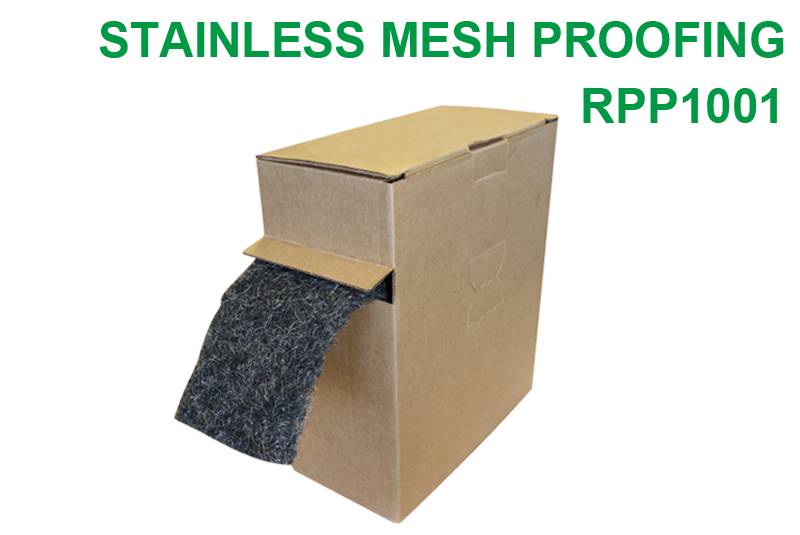
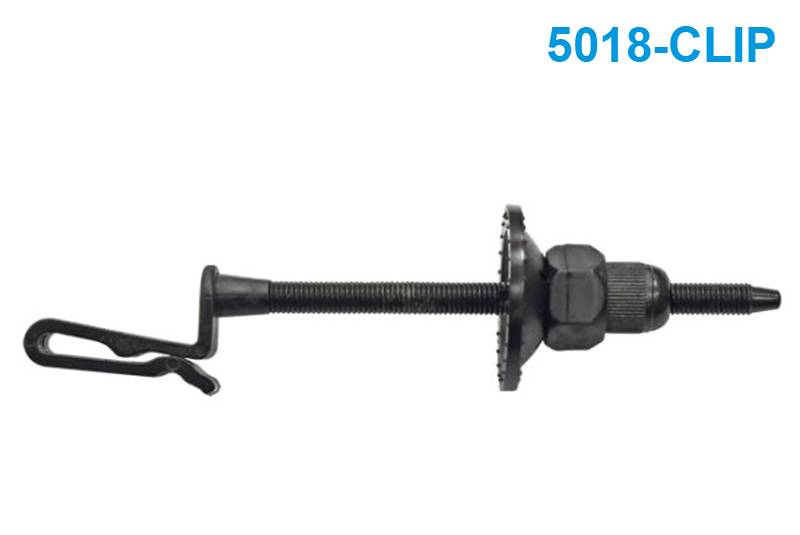
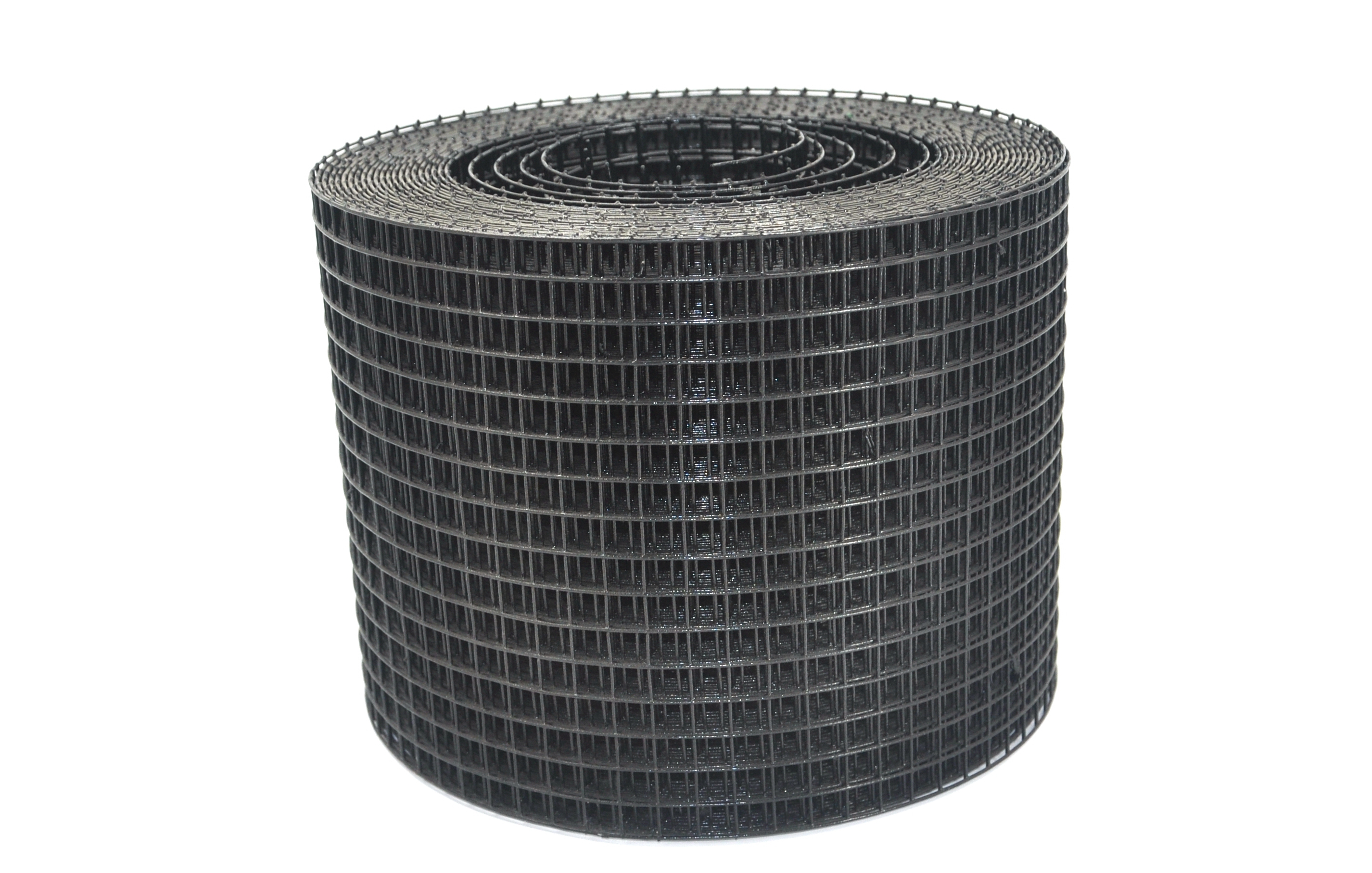


rodent proof mesh Delivers Unmatched Quality Where Innovation Meets 2025
As global buyers prepare for 2025, rodent proof mesh has evolved from a commodity into a precision-engineered solution that balances durability, airflow and aesthetic integration. Constructed from high-grade, corrosion-resistant alloys with tightly controlled aperture sizes, this mesh resists gnawing, rust and weathering while allowing ventilation and visibility. Rigorous testing against industry benchmarks ensures long service life and lower total cost of ownership for warehouses, food facilities, utilities and infrastructure projects. Manufacturing is optimized for scalability and customization—roll widths, thicknesses, coatings and edge treatments can be tailored to project specs while meeting international quality standards and third-party inspections. Sustainable sourcing, efficient logistics and responsive after-sales support make this rodent proof mesh a reliable choice for procurement teams seeking performance, compliance and value as innovation meets 2025.
| Attribute | Specification | Test / Standard | Typical Value / Notes |
|---|---|---|---|
| Base Material | Stainless steel (grade 316), carbon steel with polymer coating, or stainless woven wire | Material verification | 316 stainless common for coastal & outdoor use |
| Available Mesh Apertures | Common nominal openings: 1.6 mm, 3.2 mm, 6.3 mm (custom apertures available on request) | Dimensional inspection | Selection depends on target pest exclusion and ventilation needs |
| Wire Diameter | Typical wire diameters: 0.4 mm, 0.6 mm, 0.9 mm (solid round wire) | Micrometer measurement | 0.6 mm most common for balance of strength & airflow |
| Tensile Strength (wire) | Measured on individual wire elements under standard tensile test | Tensile test (laboratory) | Approx. 480–580 MPa (typical for stainless wire) |
| Salt Spray Corrosion Resistance | Accelerated exposure to neutral salt spray to simulate marine/industrial environments | ASTM B117 (neutral salt spray) | ≥1000 hours without perforation (316 stainless typical) |
| UV & Weathering (coated types) | Polymer coatings evaluated for chalking, cracking and adhesion after accelerated UV exposure | Accelerated weathering (UV cycle) | No significant embrittlement after ~2000 hours (typical lab test) |
| Open Area (airflow) | Percentage of open aperture area vs. solid wire area; impacts ventilation and visibility | Geometric calculation / airflow test | Typical range: 45%–65% depending on aperture and wire diameter |
| Typical Mass per Unit Area | Mass depends on wire diameter, aperture and coating type | Gravimetric / g/m² | Approx. 270–520 g/m² (varies by construction) |
| Service Life (expected) | Estimated operational life under normal outdoor conditions (non-acidic environments) | Field history & accelerated testing | 15–30 years for stainless constructions; coating-dependent for coated steel |
| Typical Tested Species | Common mammalian pest species used in exclusion testing | Physical entry resistance tests | House mouse (Mus musculus), Norway rat (Rattus norvegicus), black rat (Rattus rattus) |
| Fire & Combustibility | Behavior under ignition sources (metal is non-combustible; coatings tested separately) | Material classification tests | Metal mesh: non-combustible; polymer coatings follow coating spec |
| Fixing / Installation Methods | Mechanical fastening: stainless screws, clamping rails, crimps, or welding where appropriate | Field installation guidelines | Recommended stainless fasteners for long-term corrosion resistance |
| Quality Management & Traceability | Batch traceability, incoming material certificates, dimensional control | Factory quality protocols | Material certificates and test reports provided per batch when requested |
| Relevant Tests & Methods | Tensile testing, salt spray, accelerated UV/weathering, dimensional inspection, physical entry resistance | Laboratory & field tests | Commonly referenced methods include standard tensile tests and ASTM B117 salt spray |
| Common Applications | Vent openings, soffits, appliance ducts, cabinet vents, ventilation louvers, building envelopes | Performance mapping to use-case | Designed to balance exclusion, airflow and durability |
Related Products


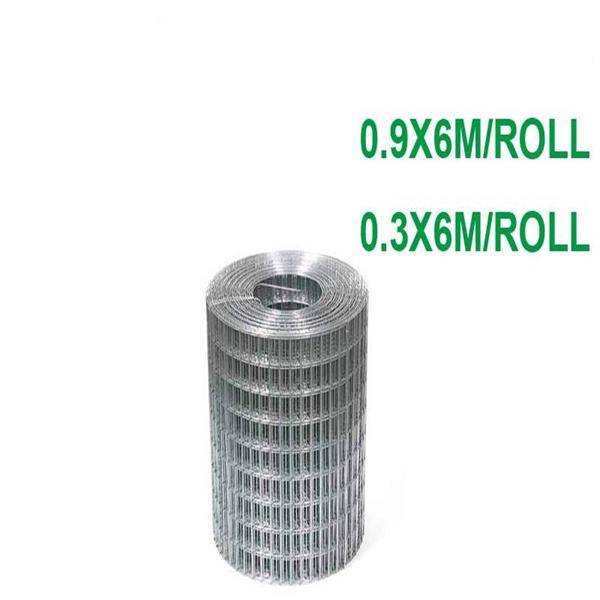
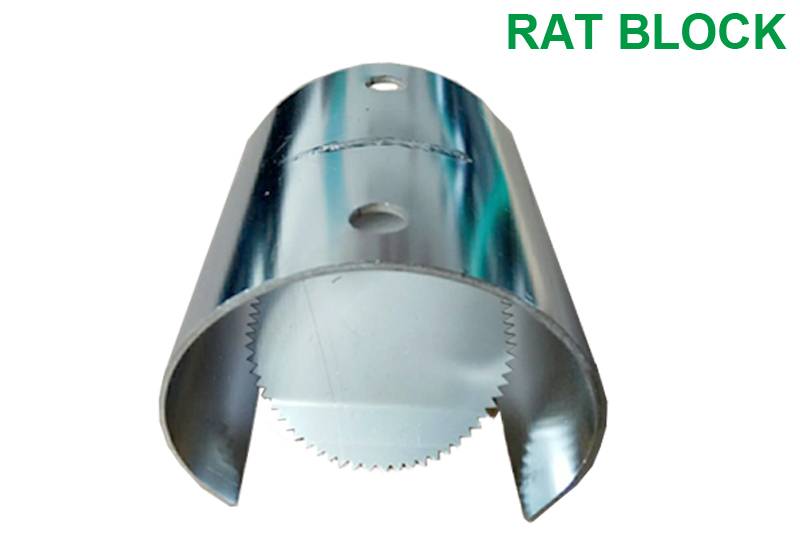


rodent proof mesh Delivers Unmatched Quality Supplies the World\u2019s Top Brands
Top Selling Products



- Related Blog
- Reviews
