

SS304 Roof Bracket Manufacturer in China - Reliable SS304 Roof Bracket
I am a China-based manufacturer delivering top-grade SS304 roof bracket for commercial and industrial projects. With strict QA and corrosion resistance, our SS304 roof bracket is designed for secure mounting of solar panels, lighting, and signage across rainy climates. I supply to B2B purchasers who look for durable, easy-to-install hardware that lasts. Our production uses SS304 stainless steel, TIG welded joints, and powder-coated or galvanized finishes. In practice, I offer customization: different load ratings, hole patterns, and lengths to suit your roof types. Fast lead times, competitive pricing, and reliable after-sales support. We ship worldwide, with China-based logistics, serving roof installers, engineering firms, and distributors. If you need a dependable solution from a Manufacturer that understands safety codes and building standards, I’ll help you pick the perfect bracket, cut maintenance costs, and ensure long-term performance.

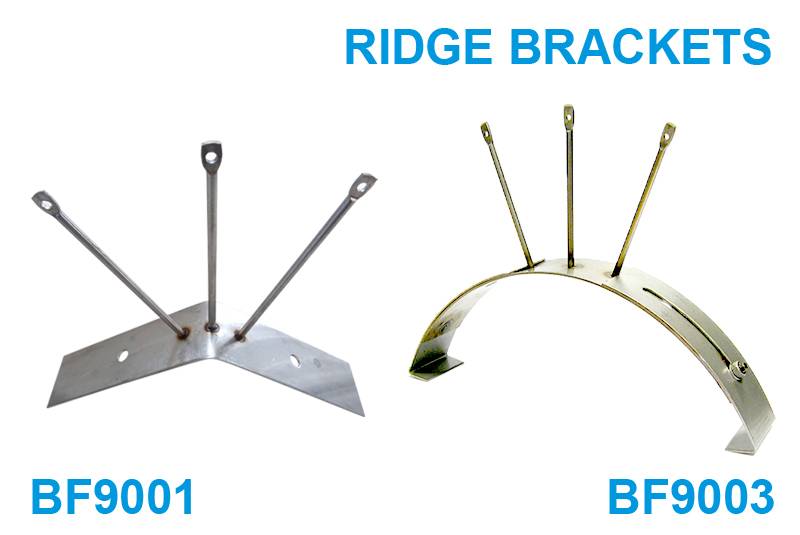
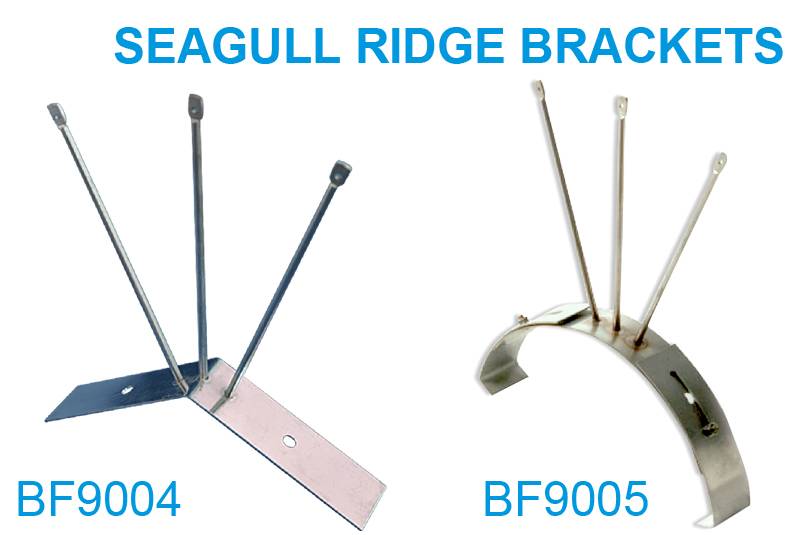


SS304 roof bracket Supplier Manufacturers You Can Rely On
SS304 roof brackets deliver reliable performance for outdoor installations, from homes to large facilities. Made from 304 stainless steel, they resist corrosion in coastal and humid environments while maintaining strong load capacity. Features like pre-punched holes, adjustable angles, and compatible fasteners simplify installation across roofing systems. A refined finish and passivation boost corrosion resistance, making them durable in harsh weather. Global buyers value consistent quality and reliable delivery. Reputable manufacturers enforce strict QA with traceability, nondestructive testing, and ISO-aligned processes. Customization is common—different thickness, hole patterns, coatings, and mounting options to suit roof type and wind loads. With scalable production, careful packaging, and clear lead times, these suppliers support small orders or large projects, backed by technical support and after-sales service.
| Country | Origin | Product Type | Material Grade | Finish | Load Capacity (kg) | Bracket Size (L x W x H, mm) | Bolt Hole Pattern (mm) | Certifications | Warranty (years) | Production Capacity (pcs/month) |
|---|---|---|---|---|---|---|---|---|---|---|
| China | Factory | L-Bracket Roof Mount | SS304 | Satin | 180 | 120 x 100 x 70 | 8 | ISO 9001, CE | 5 | 50,000 |
| Vietnam | OEM Plant | U-Bracket Roof Pro Mount | SS304 | Electro-polished | 210 | 150 x 120 x 80 | 8 | ISO 9001 | 3 | 30,000 |
| India | Manufacturing Unit | Angle Roof Bracket | SS304 | Passivated | 160 | 110 x 90 x 60 | 6 | ISO 9001, RoHS | 5 | 25,000 |
| Germany | Manufacturing Plant | Heavy-Duty L-Bracket | SS304 | Electropolished | 400 | 180 x 140 x 100 | 12 | ISO 9001, CE | 7 | 12,000 |
| USA | Domestic | Roof Bracket Swift-Mount | SS304 | Brushed | 300 | 200 x 150 x 110 | 10 | ISO 9001, UL | 5 | 8,000 |
| Taiwan | Factory | Compact Roof Bracket | SS304 | Polished | 140 | 100 x 80 x 60 | 6 | ISO 9001 | 4 | 20,000 |
| Korea | Factory | Sealing Roof Bracket | SS304 | Satin | 190 | 130 x 110 x 75 | 8 | ISO 9001:2015 | 5 | 22,000 |
| Spain | Plant | Lightweight Roof Bracket | SS304 | Passivated | 120 | 90 x 70 x 50 | 6 | CE, RoHS | 3 | 15,000 |
Related Products
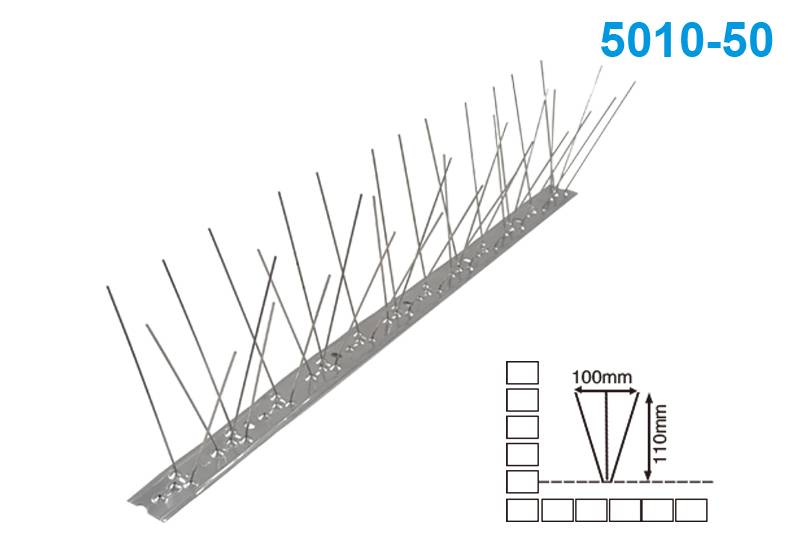

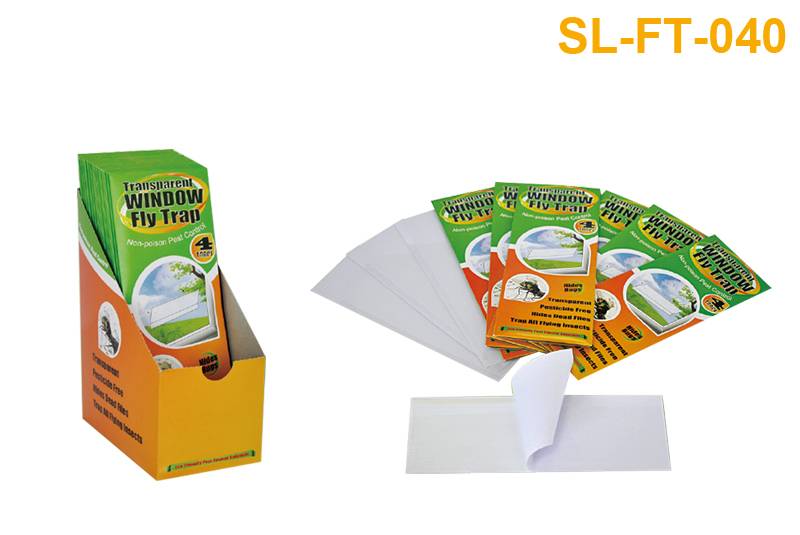



SS304 roof bracket Supplier More Than a Supplier - A Partner
Top Selling Products



- Related Blog
- Reviews
