

Sticky Fly Ribbon - China Manufacturer | Premium Insect Control Ribbon
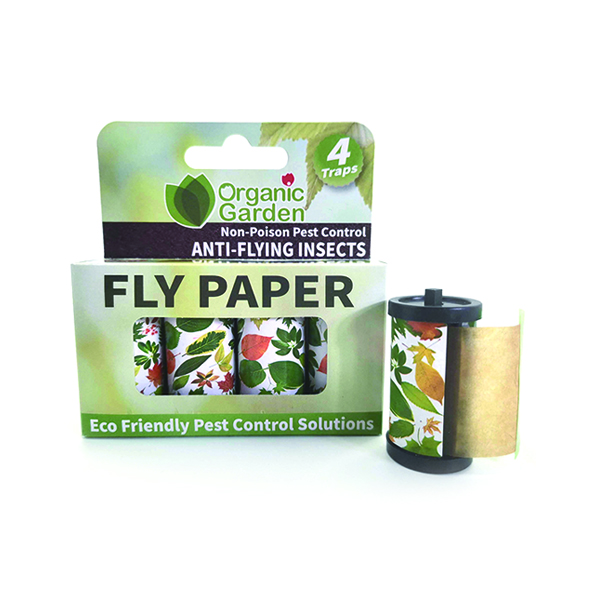
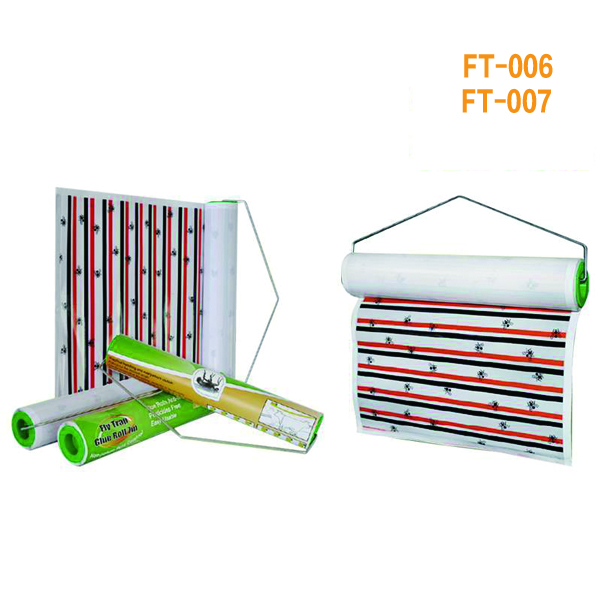
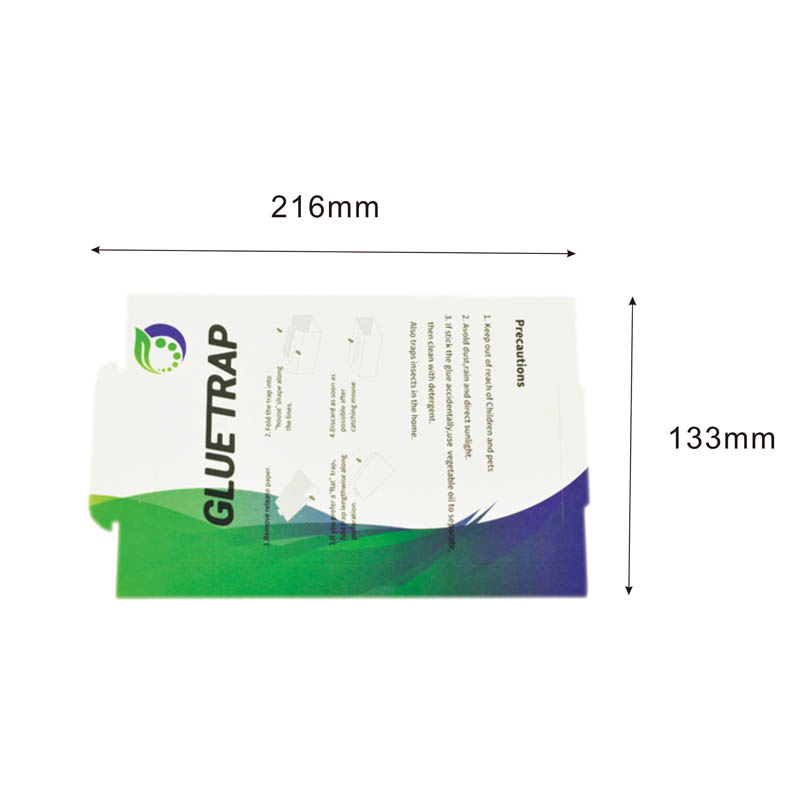
From a China-based manufacturer, we bring Sticky Fly Ribbon that keeps workspaces cleaner and pest-free while cutting downtime and cost. I understand B2B buyers want reliability, so this ribbon is made with a tough, UV-resistant adhesive and a wide, visible strip that attracts flies fast. Even in humid warehouses, it sticks where others fail, and replacement is simple with perforated rolls. We offer various widths and packaging options, plus fast lead times and low MOQs to suit your project size. Our production follows strict QA and environmental standards, ensuring consistent quality for hotels, restaurants, farms, and processing plants across China and beyond. If you’re sourcing for distribution networks, I can arrange private labeling or co-branding to help you win more contracts. Sticky Fly Ribbon is a practical, cost-efficient pest-control solution that your customers will trust.



Sticky Fly Ribbon Service More Than a Supplier - A Partner
Offering sticky fly ribbon service as more than a supplier means becoming a proactive partner in pest-control solutions. We deliver reliable, high-performance fly ribbons with flexible customization—adhesive strength, length, packaging and branding—so products fit diverse markets and regulatory requirements. From prototype samples to scaled production, quality control, and sustainable material options, our approach reduces risk, shortens lead times, and helps buyers meet seasonal demand efficiently. Global buyers benefit from responsive logistics planning, multilingual technical support, and collaborative after-sales service that tracks performance and suggests optimizations. With transparent pricing, flexible MOQs and a focus on compliance and safety, this partnership model helps distributors, retailers and pest-management programs grow market share while maintaining consistent product quality and supply stability.
| Product Category | Product Type | Material Composition | Target Pest | Effective Attractant | Typical Effective Duration | Recommended Deployment | Safety & Compliance | Environmental Profile | Technical Support Offered | Lead Time | Typical Packaging | Performance Guarantee |
|---|---|---|---|---|---|---|---|---|---|---|---|---|
| Sticky Fly Ribbon | Folded Ribbon (single-use) | Resin-coated kraft paper with non-toxic tack adhesive | Houseflies, Blowflies | Visual attractant; compatible with natural food baits | 2–6 weeks (dependent on pest pressure) | Indoor kitchens, food prep areas, offices | Food-contact safe adhesive; RoHS compliant; ISO 9001 aligned processes | Partially biodegradable paper backing; solvent-free adhesive | Placement guide; sample evaluation; bait recommendations | Standard 2–4 weeks | Small roll (≈20 ribbons) / Retail pack (10 strips) | 6 months functional integrity |
| Sticky Fly Ribbon | Continuous Strip (roll) | PET film backing with high-tack adhesive layer | Fruit flies, Small flying Diptera | Pheromone-compatible lures; visual contrast | 4–8 weeks (with periodic lure refresh) | Orchards, vineyards, outdoor produce areas | CE & RoHS compatible components; manufactured under quality management | Recyclable PET backing; refillable dispenser options | Lure selection chart; field trial protocol; dispenser layout plans | 3–5 weeks | 50 m roll / Dispenser refill format | 12 months performance assurance (product integrity) |
| Sticky Fly Pad | Disposable Adhesive Pad | Corrugated cardboard pad with non-toxic adhesive | Cluster flies, Stable flies | No attractant (visual catching) | 1–3 weeks (high-pressure areas) | Livestock barns, poultry houses, utility rooms | Veterinary safety guidance followed; non-toxic adhesive | Biodegradable pad; compostable labeling where applicable | Barn mapping service; seasonal deployment recommendations | 1–2 weeks | Box of 25 pads / Bulk farm packs | 6 months for adhesive stability prior to use |
| Premium UV-Attractant Ribbon | UV-reflective patterned paper | Specially coated paper with UV-reflective pigments and adhesive | Nocturnal flies, Stable flies, Horse flies (reduced) | UV-reflection + floral attractant blends | 6–8 weeks (higher longevity with lure system) | Stables, greenhouses, equine facilities | REACH & RoHS compliant materials; tested for safe use in animal facilities | Recyclable components; reduced solvent adhesive | Custom lure blending; on-site placement training; monitoring templates | 4–6 weeks | Bulk rolls; dispenser-ready formats | 12 months performance assurance |
| Eco-Friendly Biodegradable Ribbon | Compostable Ribbon | Plant-fiber paper + plant-based adhesive | General flying pests (food service environments) | No added synthetic attractants (visual preference) | 2–5 weeks (dependent on environment) | Food processing areas, restaurants, eco-focused facilities | Meets recognized food-contact safety standards; compostability certification (e.g., ASTM D6400 compliant where applicable) | Fully compostable backing and adhesive; reduced plastic use | Composting & disposal guidance; sustainability implementation notes | 2–4 weeks | Compostable pouch / Multi-pack retail | 6 months for storage integrity under recommended conditions |
Related Products
IS-004 Effective Household Cockroach Glue Sticky Trap Foldable Roach Glue Board Long Lasting Adhesive Pest Control
Read More


Sticky Fly Ribbon Application Where Service Meets Innovation
Top Selling Products


- Related Blog
- Reviews
