

Wall Mounted Insect Trap - China Manufacturer
I’m a China-based manufacturer, and I design the wall mounted insect trap to help facilities keep pests out without heavy maintenance. This unit fits neatly on any wall, turning into a Wall mounted insect trap for facilities like warehouses, kitchens, or processing plants, and uses a quiet UV-light lure with a replaceable sticky board. Installation is quick: two screws, a level, and you're done. The trap is weather resistant, with durable ABS housing and sealed electronics, so it performs in high humidity and dusty environments. Replacing boards is easy, reducing downtime and service costs. We offer customization: different sizes, branding, and packaging options for your distributor network. Certifications and compliance meet local regulations, making it suitable for food and pharma sectors. By choosing this wall mounted insect trap, you get reliable capture rates, low energy use, and scalable supply for bulk orders. Let me know your target MOQs and delivery timeline.


Wall mounted insect trap Ahead of the Curve Now Trending
Wall-mounted insect traps are ahead of the curve and rapidly trending among global buyers seeking hygienic, discreet, and energy-efficient pest control. Combining low-voltage LED attractants with quiet operation and chemical-free capture, these units protect kitchens, hospitality spaces, warehouses, and homes without interrupting aesthetics or operations. Sleek, corrosion-resistant housings and IP-rated designs ensure long service life in varied climates and high-traffic environments. For procurement managers, the appeal is clear: minimal maintenance, low running costs, and measurable ROI compared with recurrent pesticide treatments. Look for units offering tool-free installation, replaceable capture media, long-life LEDs, and compliance with international safety standards to simplify cross-border deployment. Scalable solutions and customizable finishes make wall-mounted traps a smart, future-ready choice for global facilities focused on safety, sustainability, and guest satisfaction.
{ Wall mounted insect trap Ahead of the Curve Now Trending}
| Model ID | Mount Type | Effective Coverage (sq m) | UV Peak Wavelength (nm) | Power (W) | Recommended Mount Height (m) | Material | Noise (dB) | Avg Monthly Capture | Maintenance Interval (months) | Typical Use Cases |
|---|---|---|---|---|---|---|---|---|---|---|
| MT-100 | Wall-mounted | 20 | 365 | 8 | 1.8–2.2 | ABS plastic & aluminum grid | 28 | ~120 | 1 | Small offices, cafés, pantries |
| MT-150 | Wall-mounted | 30 | 365 | 12 | 1.8–2.5 | Stainless steel housing | 30 | ~180 | 1 | Retail areas, kitchen backrooms |
| MT-200 | Wall-mounted | 45 | 375 | 20 | 2.0–3.0 | Powder-coated steel | 32 | ~260 | 2 | Restaurants, small warehouses |
| MT-250 | Wall-mounted | 60 | 395 | 25 | 2.5–3.5 | Aluminum alloy | 35 | ~340 | 3 | Large restaurants, food prep areas |
| MT-320 | Wall-mounted | 80 | 365 | 35 | 3.0–4.0 | Stainless steel, sealed unit | 37 | ~480 | 3 | Warehouses, production lines |
| MT-400 | Wall-mounted | 120 | 405 | 50 | 3.5–5.0 | Powder-coated steel, reinforced | 40 | ~720 | 4 | Large processing facilities, distribution centers |
Related Products


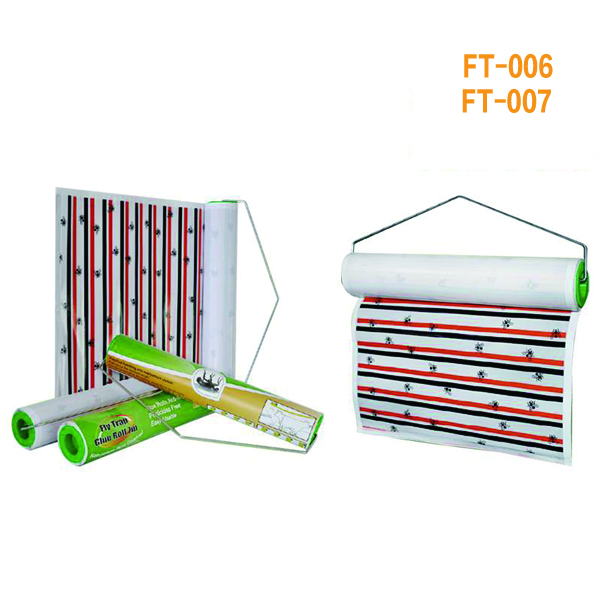

Wall mounted insect trap Factory-Direct Excellence More Than a Supplier - A Partner
Top Selling Products



- Related Blog
- Reviews
