
Wildlife Control Trap - China Manufacturer for Pest Management
From a China-based manufacturer, I bring you a reliable wildlife control trap built for professional pest management teams. I design and supply this wildlife control trap for B2B buyers who value consistency, safety, and cost efficiency. Made from corrosion-resistant steel and reinforced polymers, it resists harsh weather and heavy use. Our trap features easy-catch mechanisms, adjustable tolerances, and quick-release doors for humane relocation. I offer scalable quantities, on-time delivery, and OEM packaging to fit your brand. With strict QA and CE-style compliance, your customers get a humane, compliant solution that minimizes returns. I know buyers in China and overseas want predictable lead times and stable pricing; that's my commitment. If you’re seeking a trusted supplier who speaks your language and understands logistics, this wildlife control trap is ready to ship.


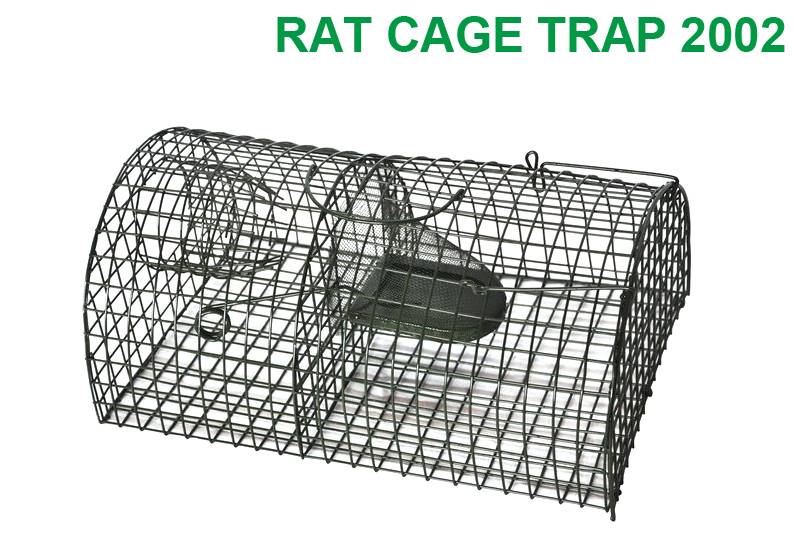

wildlife control trap Supplies the World\u2019s Top Brands Where Service Meets Innovation
As a trusted manufacturer and supplier of wildlife control traps and related supplies, we partner with the world’s top brands to deliver solutions where service meets innovation. Our portfolio combines durable materials, precision manufacturing and human-centered design to address pest management, conservation and facility protection needs. Certified production, rigorous testing and scalable capacity guarantee consistent quality for distributors, retailers and institutional buyers across diverse markets. Global purchasers benefit from flexible OEM/ODM options, fast sampling, competitive lead times and responsive after-sales support. We prioritize sustainable materials, regulatory compliance and efficient logistics so clients can confidently source at scale. If you need a reliable supply partner focused on product development, continuous improvement and end-to-end service, our team streamlines procurement and helps elevate your market offering.
{ wildlife control trap Supplies the World’s Top Brands Where Service Meets Innovation}
| Category | Trap Type | Primary Target Species | Construction Materials | Typical Dimensions (cm) | Weight (kg) | Best Use Environment | Safety / Non-lethal | Compliance / Standards | Avg. Service Life (yrs) | Maintenance Frequency | Typical Deployment / Notes |
|---|---|---|---|---|---|---|---|---|---|---|---|
| Live-capture cage | Single-door wire cage | Raccoon, opossum, fox, feral cat | Galvanized steel wire mesh, powder-coated frame, spring latch | 91 × 30 × 30 (L×W×H) | 6.5 | Urban, suburban, farm | Yes — designed for live release | Local wildlife agency guidelines; ISO 9001 (manufacturer) | 5–8 | Inspect every 12–24 hrs | Ground placement near runways; cover for shade; avoid prolonged exposure |
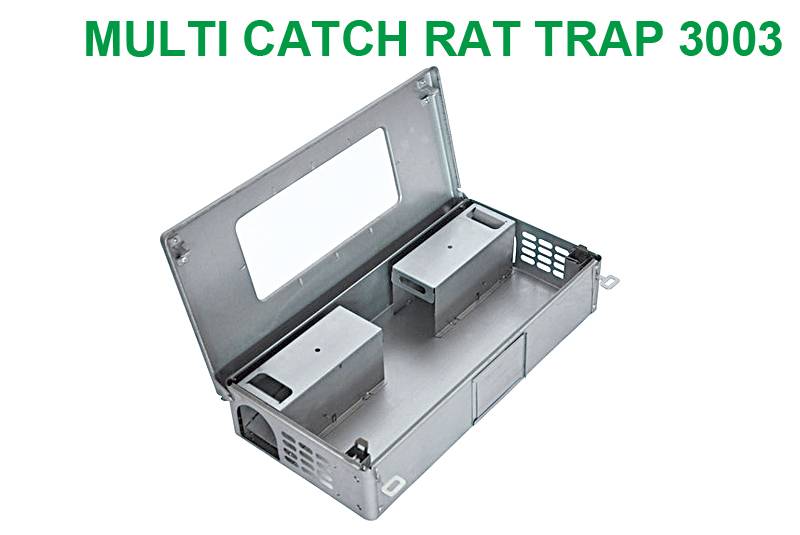
| Multi-capture cage | Double-door / conveyor style | Squirrels, rats, mice (small variants) | Powder-coated steel, reinforced hinges, polymer panels | 60 × 18 × 18 | 3.2 | Attics, crawlspaces, urban structures | Yes — non-lethal multi-capture | Follow local humane-trapping regulations; wildlife rehab best practices | 4–7 | Inspect every 12 hrs in confined spaces | Place along known runways; baiting often required; ventilated |
| Drop trap | Frame-and-net drop | Feral cats, ground birds (for capture) | Aluminum frame, nylon net, quick-release pins | Varies (folding frame ~120 × 120) | 4–10 (depending on size) | Open fields, colonies, urban open areas | Yes — designed to minimize injury when properly used | Requires trained operators; adhere to animal welfare guidelines | 3–6 | Service before season; inspect when deployed | Used for targeted captures; two-person operation recommended |
| Exclusion device | One-way door / exclusion funnel | Bats, squirrels, small birds | HDPE, stainless hinges, UV-resistant mesh | Custom-fit to openings | 0.5–1.5 | Building exteriors, soffits, attics | Yes — exclusion not capture; humane eviction | Must follow seasonal restrictions and species-specific laws | 7–12 | Inspect post-removal and prior to sealing openings | Seasonal use restrictions common; combined with repairs/sealing |
| Tunnel trap | PVC/aluminum funnel tunnel | Rats, ground-dwelling rodents | Aluminum frame, polymer funnel sleeves, stainless triggers | 30 × 10 × 10 | 1.0 | Sewers, alleys, agricultural storage | Can be lethal or non-lethal based on trigger; many used for live capture | Follow rodent control regulations; local waste handling codes | 2–5 | Daily checks in high-traffic areas | Often used with bait stations and monitoring devices |
| Soft snare (research / targeted) | Cable snare with foam stop | Small meso-mammals (legally permitted) | Stainless cable, silicone/foam stops, swivel anchor | Loop adjustable 8–25 cm | 0.2 | Forest corridors, field margins (trained use only) | Conditionally non-lethal when used per protocol | Permits often required; adhere to humane-handling protocols | 1–4 (high wear component) | Check every 6–12 hrs; replace cable annually | Use only by trained personnel with permits; high oversight |
| Pitfall / bucket trap | Research pitfall (passive) | Amphibians, reptiles, small mammals (research) | HDPE buckets, galvanized metal roofing, drift fencing | Bucket Ø 20 × 25 (depth) | 0.6 | Field research sites, drift-line surveys | Non-lethal when checked frequently | Research permits required; follow animal care protocols | 2–6 | Daily to twice-daily inspections recommended | Common in ecological studies; use covers to reduce predation risk |
Related Products


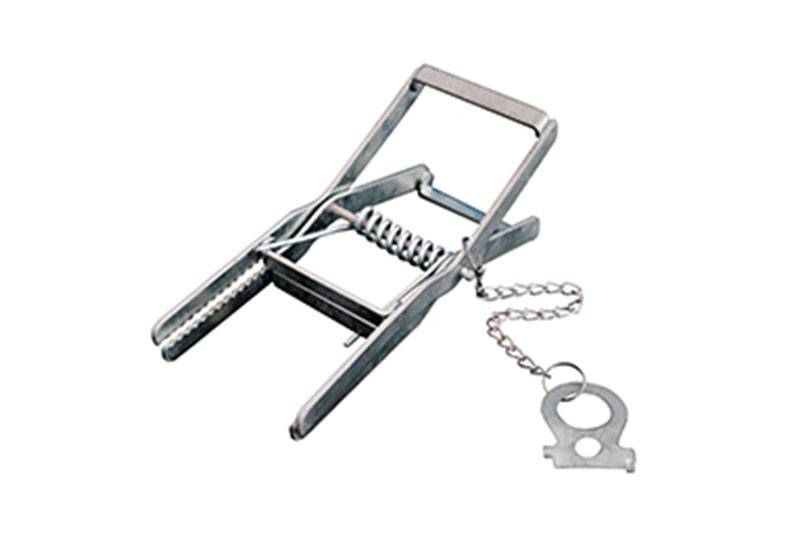


wildlife control trap Industry Giant Where Innovation Meets 2025
Top Selling Products



- Related Blog
- Reviews
