

Wire Rodent Trap - China Manufacturer | Trusted Pest Control
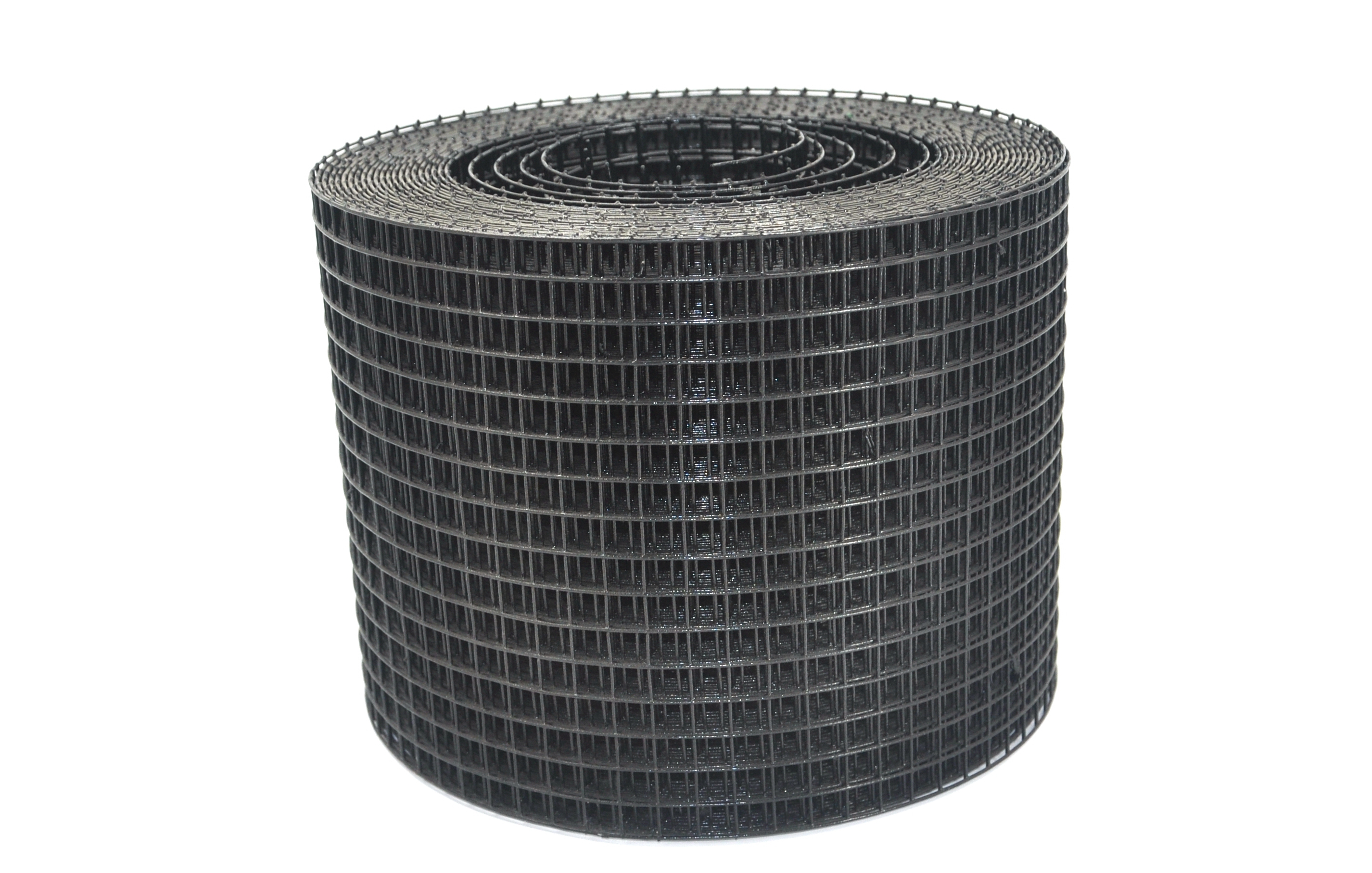
I’m a China-based manufacturer delivering reliable Wire Rodent Trap solutions for warehouses, food processing plants, and distribution centers. This trap features a sturdy galvanized wire frame, easy-load bait bar, and a quick-reset mechanism designed for high-volume pest control. I’ve designed it to withstand harsh environments, with weather-resistant coating and tamper-resistant construction to reduce false captures. The simple setup saves you time on installation and maintenance, while the durable components extend service life in demanding conditions. I provide clear installation guides, bulk pricing, and fast shipping to customers worldwide. If you’re buying for a distributor, retailer, or facility manager, this Wire Rodent Trap offers strong ROI by reducing rodent damage and product contamination. Contact me for samples, customization options, and certifications. I’m here to support your pest-control program with reliable, cost-effective trapping solutions from a dedicated Manufacturer in China.

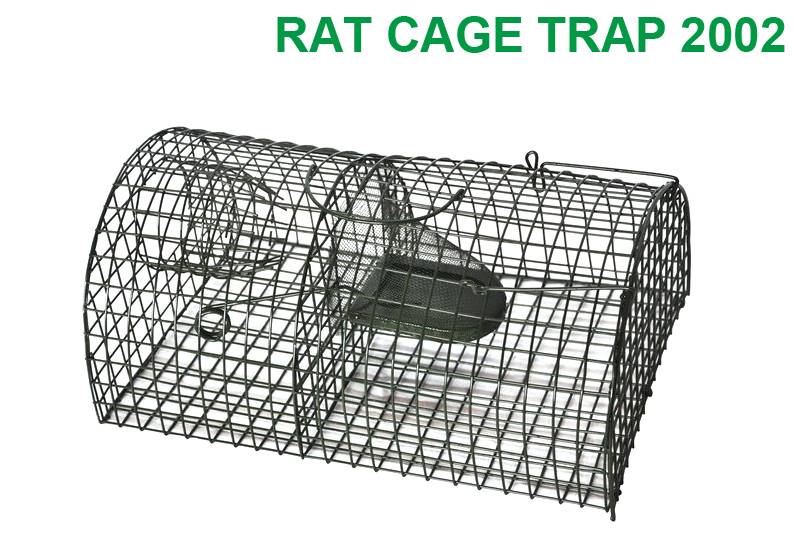


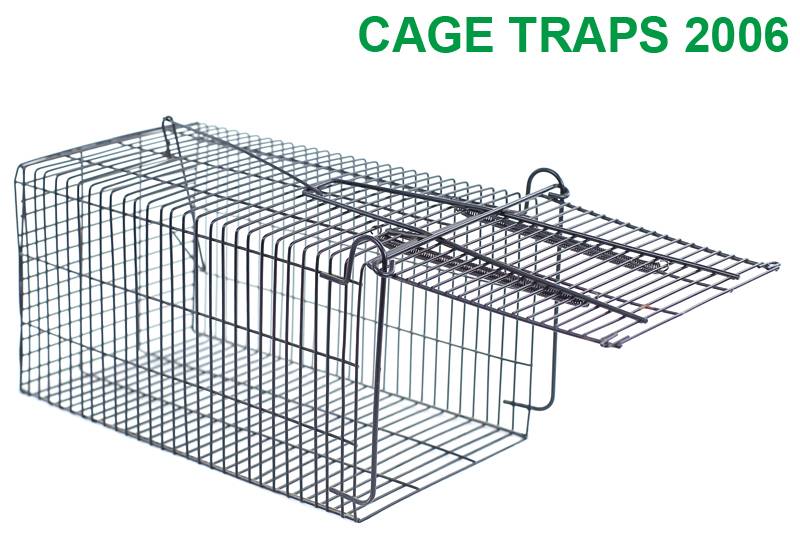

Wire Rodent Trap Manufacturers You Can Rely On Factory-Direct Excellence
Global buyers seeking reliable wire rodent traps should look for partners who offer factory-direct access to full production capabilities. Direct sourcing means stable pricing, shorter lead times, and full traceability from raw material to finished units. A capable manufacturer combines metal forming, wire bending, galvanizing, and assembly under strict quality controls to deliver traps that perform in diverse environments and meet international standards. Evaluate suppliers for material quality, corrosion resistance, and precise tolerances. Look for certifications such as ISO 9001, clear QA records, and evidence of humane design where applicable. Confirm customization options, packaging, and scalable production to meet demand surges. Ensure reliable logistics, transparent terms, and responsive after-sale support that sustains a long-term, value-driven partnership.
Wire Rodent Trap Manufacturers You Can Rely On Factory-Direct Excellence
| Model | Trap Type | Material | Dimensions (L×W×H, mm) | Weight (g) | Lead Time (days) | Annual Capacity (units) | Certifications | Applications | Lifespan (years) | MTBF (hours) |
|---|---|---|---|---|---|---|---|---|---|---|
| WR-101 | Mechanical Snap Trap | Stainless steel 304 | 60 × 110 × 26 | 180 | 12 | 420000 | CERoHSISO 9001 | Residential, Commercial | 5 | 60000 |
| WR-102 | Multi-catch Wire Trap | Galvanized steel | 100 × 105 × 40 | 240 | 20 | 600000 | CEISO 9001 | Industrial | 7 | 75000 |
| WR-103 | Ultra-thin Wire Bar Trap | Stainless steel 316 | 70 × 130 × 26 | 170 | 14 | 520000 | CERoHS | Residential | 6 | 64000 |
| WR-104 | Spring-Activated Wire Cage | Stainless steel 304 | 90 × 150 × 50 | 520 | 18 | 450000 | CEISO 9001 | Commercial | 8 | 90000 |
| WR-105 | Corner-angled Wire Trap | Aluminum alloy | 80 × 110 × 40 | 210 | 16 | 350000 | CE | Farm | 4 | 55000 |
Related Products
RG-004 Mouse Glue Trap Strong Adhesive Sticky Rodent Trap Disposable Mouse Glue Board for Rodent Control
Read More


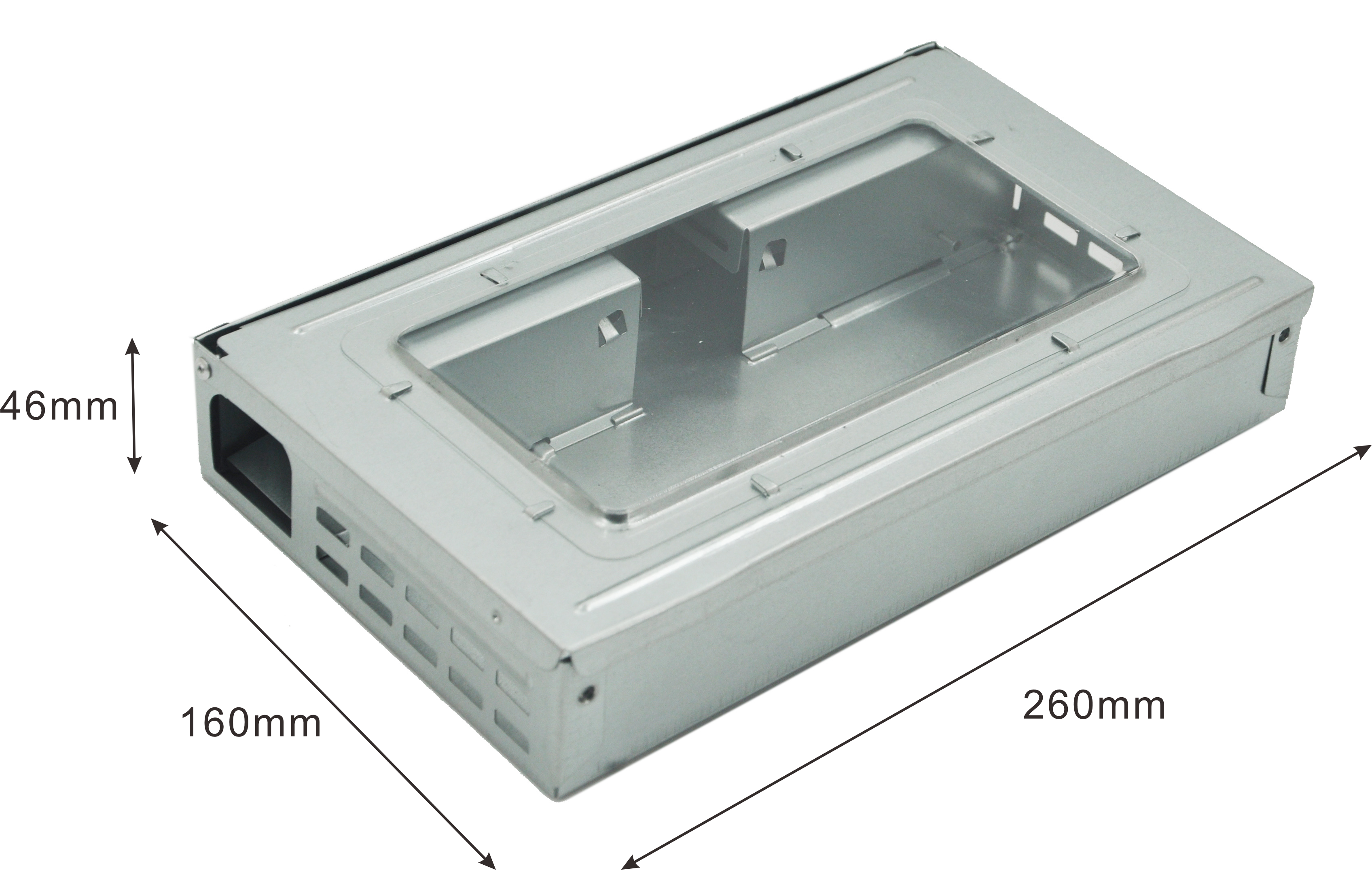

Wire Rodent Trap Pioneers in the Field Manufacturers You Can Rely On
Top Selling Products




- Related Blog
- Reviews
