

Bird Net Fixing Bracket - China Manufacturer
I'm a China-based {Manufacturer}, and I supply durable bird-control hardware tailored for farms, orchards, and storage facilities, especially the {bird net fixing bracket}. I design and fabricate brackets that secure nets to poles, beams, and walls with easy installation. Materials range from stainless steel to galvanized steel and aluminum, offering corrosion resistance and long service life. The {bird net fixing bracket} ensures firm tension, minimizes net sag, and adapts to various net meshes and rod diameters. I offer custom drilling patterns, finishes, and packaging for bulk orders, plus flexible lead times to suit project schedules. For B2B buyers, we provide competitive pricing, technical documentation, and prompt after-sales support. If you're sourcing from {China}, I can help you streamline procurement with consistent quality and reliable supply. Let me know your required dimensions and quantities, and I’ll propose a solution that fits.
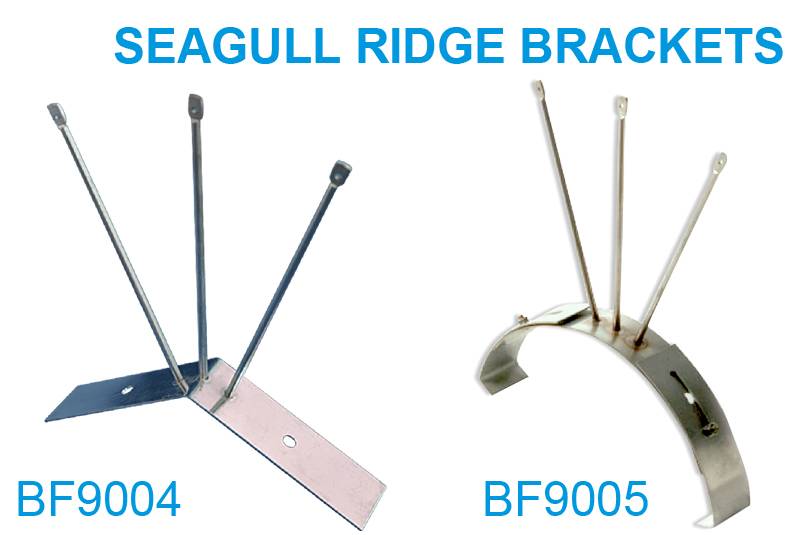
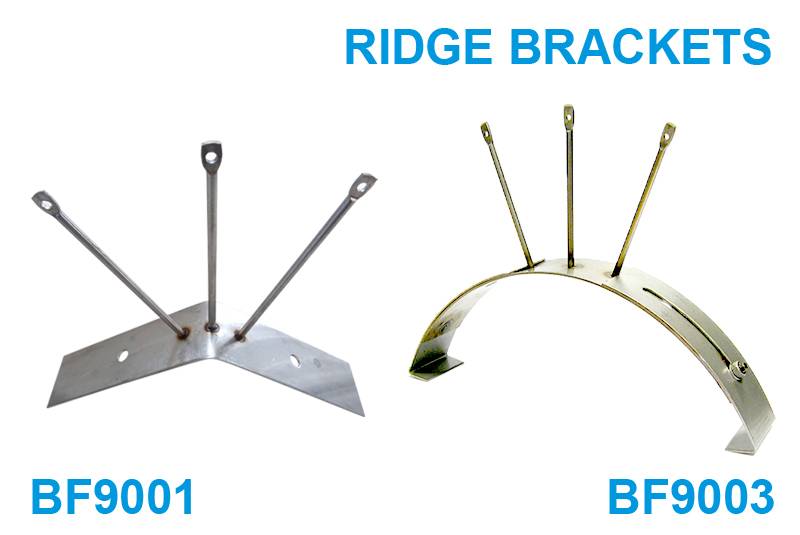


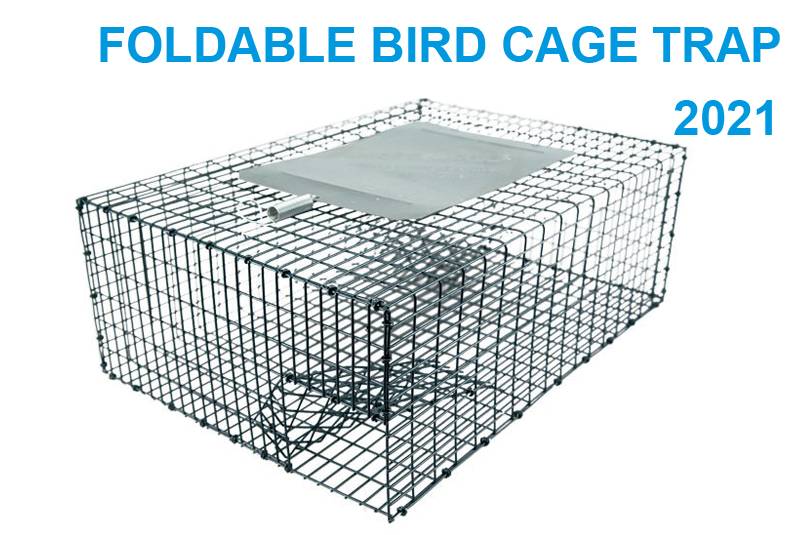

bird net fixing bracket Manufacturer Application
Bird net fixing brackets are compact yet essential for securing nets to posts, beams, and walls across warehouses, farms, greenhouses, and solar installations. Constructed from corrosion-resistant materials—stainless steel, galvanized steel, aluminum, or durable plastics—these brackets tolerate wind, rain, and sun while keeping nets taut. Key features include adjustable angles, universal hole patterns, and compatibility with different net thicknesses, enabling quick, tool-friendly installation and long service life. For global buyers, selecting a reliable manufacturer means looking for consistent quality, traceable materials, and tested performance under load, UV, and corrosion. Ask about customization options (size, coating, color), packaging that minimizes transit damage, compatible post sizes, lead times, and after-sales support. A capable supplier should provide clear documentation, scalable production, and dependable delivery, delivering durable, reusable hardware that lowers maintenance costs over the netting system’s lifetime.
{ bird net fixing bracket Manufacturer Application}
| Model | Material | Finish | Bracket Type | Dimensions (L x W x H, mm) | Weight (g) | Max Load (N) | Mounting Pattern | Applicable Net Size (mm) | Certifications |
|---|---|---|---|---|---|---|---|---|---|
| BMP-101 | AISI 304 stainless steel | Satin | Corner Bracket | 60 x 50 x 22 | 140 | 250 | 4 × Ø5.5 mm holes; 50 mm center-to-center | 200–600 | CE, RoHS, IP65 |
| BMP-102 | Aluminum 6061-T6 | Anodized | Straight Bracket | 45 x 40 x 18 | 90 | 180 | 4 × Ø4.0 mm holes; 40 mm center-to-center | 150–500 | CE, RoHS |
| BMP-103 | Stainless steel A2 | Electro-polished | U-Bracket | 90 x 50 x 25 | 210 | 320 | 6 × Ø5.5 mm holes; 60 × 50 mm | 300–1000 | CE, IP68 |
| BMP-201 | Steel with galvanic coating | Zinc plating | Corner Bracket with gusset | 70 x 60 x 28 | 260 | 400 | 4 × Ø6.0 mm holes; 60 × 60 mm | 500–900 | CE, RoHS, UKCA |
| BMP-202 | Aluminum 6063 | Mil-Spec anodized | L-Bracket | 65 x 45 x 20 | 110 | 200 | 4 × Ø4.5 mm holes; 50 × 50 mm | 180–700 | CE |
| BMP-203 | Stainless steel 316 | Mirror finish | Flat Bracket | 40 x 40 x 15 | 70 | 150 | 4 × Ø4.0 mm holes; 30 × 30 mm | 100–350 | CE, RoHS, IP66 |
Related Products
Daddi Long Legs Bird Repeller Stainless Steel Rotating Bird Deterrent for Rooftops and Boats
Read More

Model 5016 Plastic Anti Climb Prickle Strip Cat Bird Deterrent Spikes for Fence Wall Gate Protection


bird net fixing bracket Market Leader Factory-Direct Excellence
Top Selling Products




- Related Blog
- Reviews
