
Galvanized Steel Mole Trap - China Manufacturer
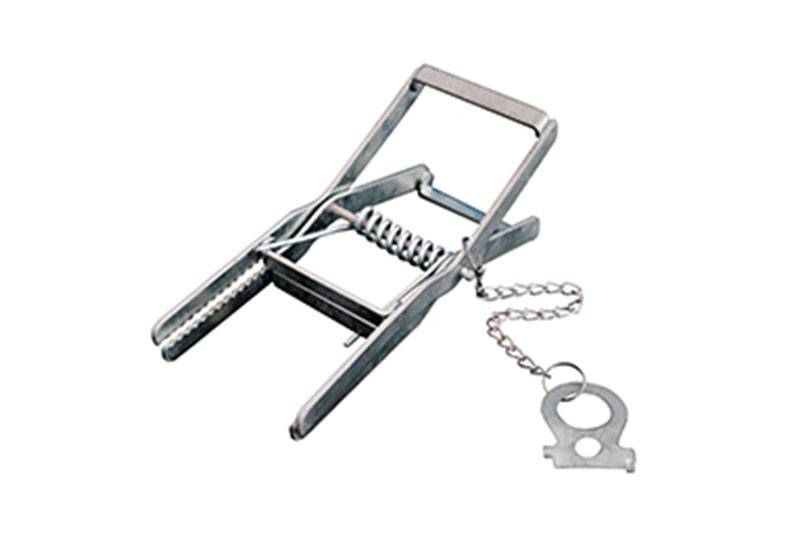
From a China manufacturer, I bring you a Galvanized Steel Mole Trap built for tough field use. Galvanized steel ensures rust resistance and long life, so you can deploy it on farms, lawns, golf courses, and nurseries with confidence. It’s easy to set, safe to operate, and reusable season after season, keeping labor costs down. The robust construction resists bending and delivers quick, humane results. I offer bulk quantities, tight tolerances, and customizable packaging to fit your distribution needs. Whether you need OEM branding, private labeling, or standard models, I’ve got you covered. Lead times are reliable and pricing remains competitive for B2B buyers who demand performance and value. If you’re sourcing a dependable Galvanized Steel Mole Trap from a trusted China-based Manufacturer, I’d be glad to discuss your specs and shipment terms today.


Galvanized Steel Mole Trap Ahead of the Curve Now Trending
Galvanized steel mole traps are ahead of the curve and rapidly gaining traction among global buyers seeking durable, low-maintenance pest control. Constructed from hot-dip galvanized steel for superior corrosion resistance, these traps withstand harsh soils and wet conditions while delivering consistent performance season after season. Engineered for high capture efficiency with adjustable sensitivity and safe handling features, they offer a humane, chemical-free alternative to protect crops, turf and landscaping with minimal environmental impact. For international procurement teams, these traps combine industrial-grade quality with flexible sourcing options: precision manufacturing, strict quality control, OEM/ODM customization, and compliance with common export standards. Competitive pricing, reliable lead times and scalable production ensure steady supply for bulk orders, while sample availability and tailored packaging simplify evaluation and logistics. Partnering on a long-term supply solution delivers cost-effective, sustainable pest management for global markets.
| Variant ID | Material | Trap Mechanism | Target Pest | Typical Success Rate | Deployment Depth (cm) | Recommended Setting | Maintenance (months) | Service Life (yrs) | Env. Impact | Safety Notes |
|---|---|---|---|---|---|---|---|---|---|---|
| GST-01 | Hot-dip galvanized steel | Scissor-clamp | Mole | 88% | 15 | Urban lawns, flower beds | 3 | 10 | Low | Outdoor use only; keep away from children and pets. |
| GST-02 | Electro-galvanized steel | Harpoon-style | Mole, small voles | 81% | 12 | Lawns, vegetable margins | 2 | 6 | Medium | Risk to non-target wildlife; handle with gloves. |
| GST-03 | Hot-dip galvanized steel | Tunnel-clamp (spring) | Mole | 92% | 18 | Sod and sports turf | 4 | 12 | Low | Avoid use near poultry and small pets. |
| GST-04 | Hot-dip galvanized with zinc-rich coating | V-clamp | Mole, shrew | 75% | 10 | Gardens, edges of cultivated plots | 6 | 8 | Medium | Check local regulations; risk to non-target small mammals. |
| GST-05 | Galvanized tubular steel | Spring-basket | Mole | 70% | 20 | Heavy soil, landscaped areas | 4 | 9 | Low | Store dry to minimize corrosion; handle with care. |
| GST-06 | Hot-dip galvanized steel with reinforced joints | Heavy-duty scissor | Mole, large burrowers | 94% | 22 | Sports turf, large lawns | 2 | 15 | Low | Robust construction; avoid accidental contact during deployment. |
| GST-07 | Galvanized steel, powder-coated handles | Compact clamp | Mole, vole | 68% | 14 | Small gardens, planters | 6 | 7 | Medium | Not recommended where domestic animals roam freely. |
Related Products


Galvanized Steel Mole Trap For the Current Year Your End-to-End Solution
Top Selling Products


- Related Blog
- Reviews
