

Multiple Catch Rodent Trap - China Manufacturer
I design and manufacture the Multiple Catch Rodent Trap for professional pest control, warehouses, and food plants. As a China Manufacturer, I deliver durable steel construction, rust-resistant coating, and weatherproof performance that stands up to harsh environments. The trap uses multiple catch chambers and doors, allowing rapid capture of several rodents with a single setup, reducing labor and downtime. It is humane, easy to reset, and designed for safe handling by operators, with clear exit routes and tamper-resistant features. I supply flat-pack or assembled versions, customization on size, trap count, bait access, and packaging to fit your application and export needs. Competitive pricing, quality control at every step, and short lead times from my factory in China help your project stay on track. I am confident my Multiple Catch Rodent Trap will meet your B2B purchasing standards and improve your pest management results.


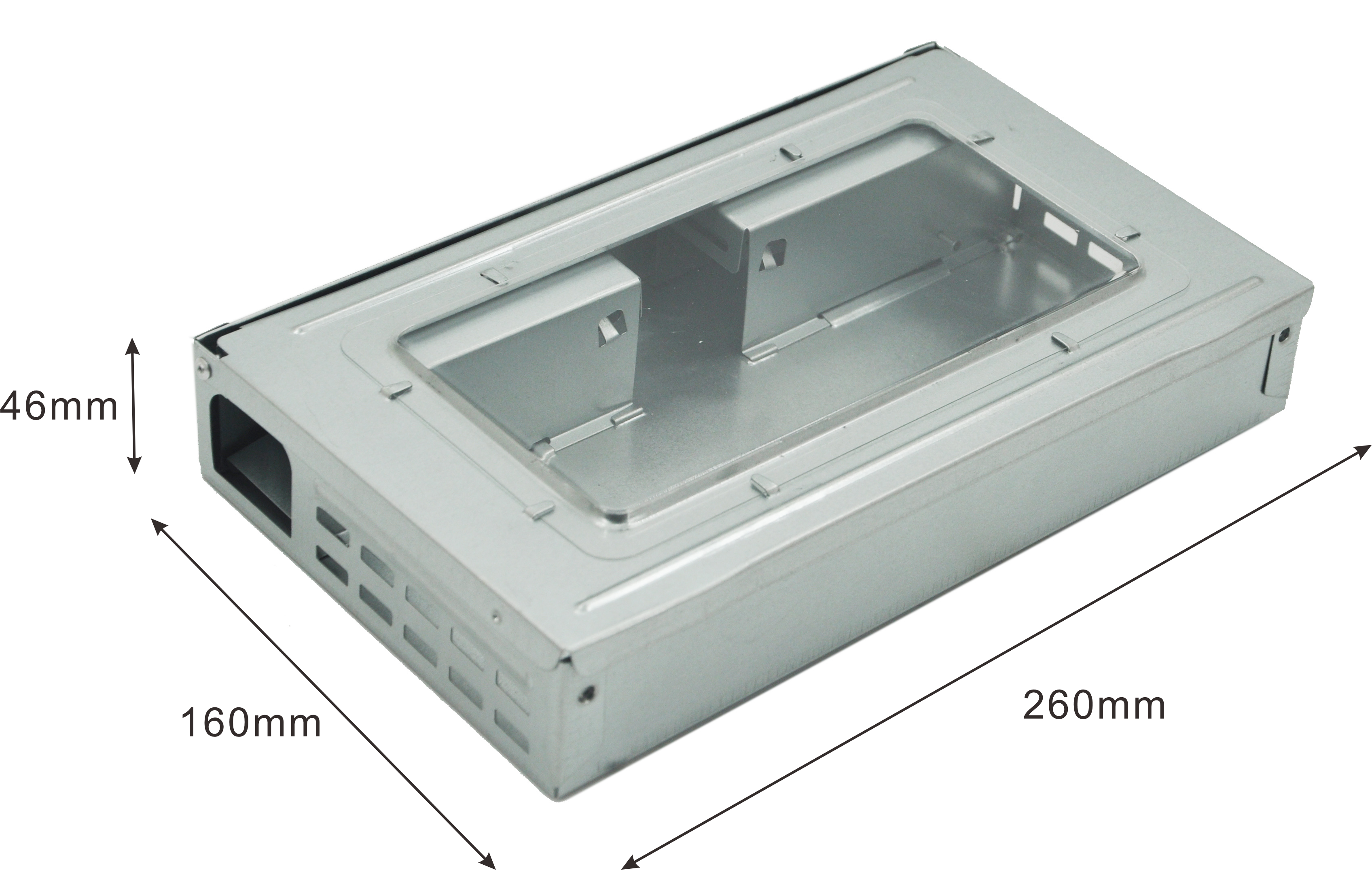


Multiple Catch Rodent Trap Application Dominates
Multiple-catch rodent traps are rapidly becoming the preferred solution for large-scale pest management worldwide. Designed for high-capacity capture, reuse and low maintenance, these traps combine durable, corrosion-resistant materials with humane, non-toxic mechanisms that protect non-target animals and human health. Their compact, modular design allows quick deployment in warehouses, food processing plants, agricultural facilities, shipping containers and urban infrastructure, delivering consistent performance in varied climates and conditions. Manufactured to meet strict quality and safety standards, these systems offer customization in size, entry configuration and packaging to suit bulk procurement and contract needs. Robust quality control, scalable production and efficient logistics ensure reliable supply, competitive pricing and long-term cost savings through reduced labor and fewer replacements. For global buyers seeking an effective, sustainable and scalable pest-control solution, multiple-catch traps provide measurable ROI and seamless integration into integrated pest management programs.
| Trap Type | Primary Use Case | Target Species | Mechanism | Materials | Typical Deployment Sites | Reported Field Success Rate | Average Time to First Capture | Safety & Handling | Recommended Maintenance |
|---|---|---|---|---|---|---|---|---|---|
| Enclosed Multiple-Catch Live Tunnel | Humane population reduction & monitoring | Norway rat, Roof rat, House mouse | One-way funnel / trap-door entry allowing repeated ingress | Galvanized steel mesh + polymer-coated frame | Basements, sewers, alleys, commercial back-of-house | 65% – 85% (varies with bait & placement) | 12–48 hours | Non-lethal; check daily to reduce stress; wear gloves when handling captured animals | Inspect daily in dense infestations; sanitize weekly |
| Multi-catch Electromechanical Unit | High-throughput control and automated monitoring | Rats and mice (site-dependent) | Sensor-triggered gates or capture chamber with electronic logging | ABS housing, stainless internal components, sealed electronics | Warehouses, food processing zones, logistics hubs | 70% – 90% (with regular servicing) | 6–36 hours | Requires trained personnel for electrical safety; lock access to unit in public areas | Battery/electrical check weekly; empty/clear chamber per alerts |
| Gravity-Style Multi-Catch Box | Low-tech continuous capture in outdoor/residential settings | Primarily rats | Gravity or pivoting entrance that remains one-way once entered | Galvanized sheet metal or treated wood with metal inserts | Gardens, backyards, alleyways, building perimeters | 50% – 75% | 24–72 hours | Position away from children/pets; avoid attracting non-target wildlife | Inspect twice weekly; clear debris and check entry integrity |
| Multi-catch Bait Station (One-way Access) | Continuous control in sensitive indoor environments | House mouse and small commensal rodents | Baited chamber with one-way flap or funnel leading to holding area | Durable plastics with metal-reinforced openings | Retail backrooms, restaurants, offices | 60% – 80% (species-dependent) | 8–48 hours | Secure to prevent access by pets/children; follow site-specific sanitary protocols | Check and replenish weekly; replace seals quarterly |
| Capture Funnel Array | Perimeter aggregation & bulk removal | Commensal rats and mixed rodent groups | Multiple funnel entries channel animals into a central holding chamber | PVC funnels, stainless connectors, modular frames | Sewer access points, large building perimeters, industrial sites | 55% – 75% | 24–96 hours | Monitor to avoid overcrowding; design to limit non-target captures | Clean monthly; inspect entry seals weekly |
| Smart Multi-Catch Unit (Remote Monitoring) | Monitored control for critical facilities | Rats and mice across varied environments | Sensor-detected captures with remote alerting and telemetry | Polycarbonate housing, sealed electronics, sensor arrays | Remote warehouses, critical infrastructure, large campuses | 75% – 92% (with optimized placement) | 4–48 hours (alerts reduce response time) | Ensure data security and electrical safety; authorized-access only | Firmware/battery check monthly; empty chamber per remote alerts |
Related Products




Multiple Catch Rodent Trap Your End-to-End Solution From Concept to Delivery
Top Selling Products




- Related Blog
- Reviews
