

Rodent Control Equipment - China Manufacturer
As a China based Manufacturer, I offer a full line of rodent control equipment built for durability and easy maintenance. Our range covers electronic traps, snap traps, bait stations, and integrated pest management solutions that meet worldwide safety standards. I understand that in large scale facilities you need reliable performance, quick service and spare parts availability. That's why our rodent control equipment is engineered with robust housings, tamper-resistant locks, and precise triggering to reduce false catches and protect non-targets. We provide configurable deployment options, low maintenance designs, and data-ready monitoring systems to integrate with your facility's management. We ship with clear installation guides, tested components, and global support from our team of technicians. If you are a pest control operator or a facility manager looking for a trusted China Manufacturer to supply consistent quality, I can help you streamline procurement and shorten lead times. We stand behind our equipment with warranties and responsive service.



rodent control equipment Supplies the World\u2019s Top Brands Outperforms the Competition
Supplying rodent control equipment to the world’s top brands, our products combine precision engineering, durable materials and rigorous field testing to consistently outperform competitors. From electronic deterrents and smart monitoring systems to mechanical traps and bait stations, each item is designed for reliability, safety and ease of deployment. International-standard certifications, IP protection, long-life components and strict quality control ensure consistent performance across varied environments and climates. We offer flexible OEM/ODM solutions, competitive pricing, scalable production capacity and fast lead times to meet global procurement needs. Comprehensive documentation, test reports, warranty support and on-demand technical training help buyers accelerate product rollouts and reduce after-sales issues. Partnering with us means access to proven products, smooth logistics and the responsive service needed to win in demanding markets.
| Equipment Type | Primary Mechanism | Typical Materials | Effective Target Species | Typical Detection / Range | Emission / Noise Level | Power Source | Average Field Lifespan (years) | IP / Durability | Certifications / Standards | Typical Deployment Environments | Measured Efficacy (laboratory avg) | Notes |
|---|---|---|---|---|---|---|---|---|---|---|---|---|
| Snap trap (mechanical) | Quick-strike mechanical impact | Hardened steel, ABS plastic | House mice, brown/black rats | N/A (contact-based) | Low (audible click) | None | 5–10 | Corrosion-resistant finish | ISO 9001; RoHS (materials) | Indoor perimeters, attics, basements | 85–95% | High immediate capture if placed correctly; regular placement checks required. |
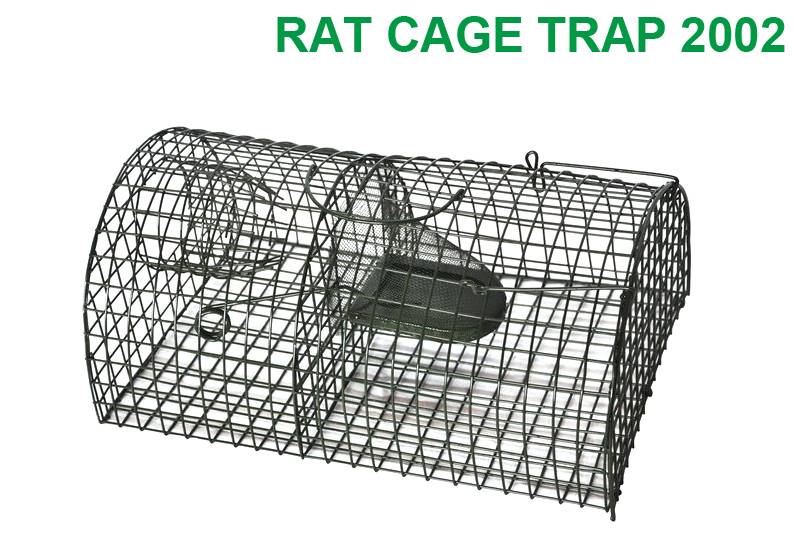
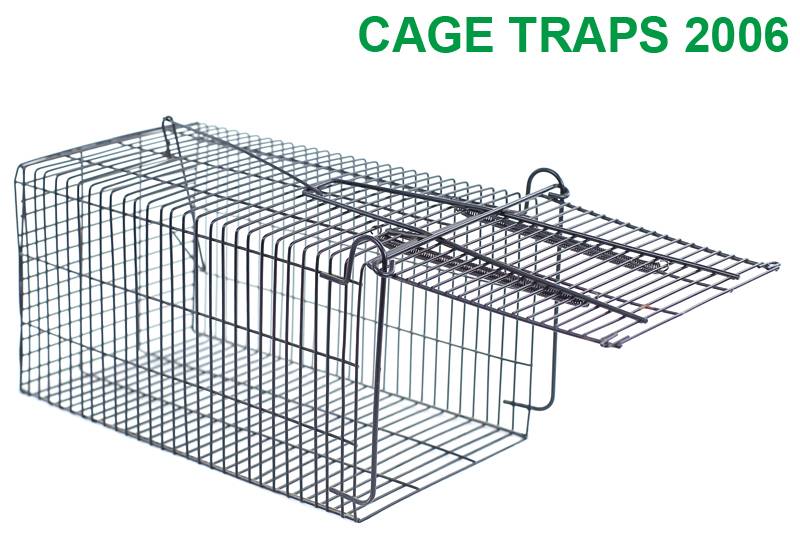
| Live-capture cage trap | Enclosed live capture with bait trigger | Galvanized steel, powder-coated wire | Small rodents, juvenile rats | N/A (contact) | Low | None | 3–10 | Weather-resistant coating | ISO 9001 | Urban gardens, indoor humane control | 60–80% | Suitable for relocation programs; effectiveness depends on release policies and non-target capture risk. |
| Electronic kill trap (high-voltage) | Sensor-triggered high-voltage discharge | ABS housing, stainless chamber | Mice, rats | Sensor trigger zone: few cm inside chamber | Very low (electrical pulse) | Battery or AC | 2–5 | IP44 (indoor-rated) | CE; RoHS; ISO 9001 | Indoor kitchens, service rooms, near walls | 90–98% | Rapid, sanitary; requires safe placement and periodic battery replacement/maintenance. |
| Ultrasonic repeller | High-frequency ultrasonic waves to deter | ABS plastic, electronic transducers | Mice, some rats (variable) | Effective coverage: 5–15 m² (room-dependent) | Inaudible to humans; may affect pets | Mains or battery | 1–3 | IP21 (indoor use) | CE; RoHS | Open-plan rooms, garages | Short-term 40–60%; long-term 20–40% (habituation) | Performance highly environment-dependent; best used as part of integrated control. |
| Bait station (tamper-resistant) | Secure containment of bait for targeted ingestion | HDPE, UV-stable polypropylene | Rats, mice | Contact/attraction-based | Low | None | 5–10 | IP54 (splash-resistant) | ISO 9001 | Perimeter control, building exteriors, service corridors | 70–95% (when properly monitored) | Effectiveness depends on bait type, non-target access prevention, and monitoring. |
| Glue board / adhesive mat | Adhesive captures on contact | Cardboard/plastic base with pressure-sensitive adhesive | Mice, very small rodents | Immediate on contact | Silent | None | 1–3 (shelf life) | Not water-resistant | ISO 9001 | Indoor corners, behind appliances | 50–85% | Non-selective; animal welfare and non-target risks should be considered; often used in monitoring. |
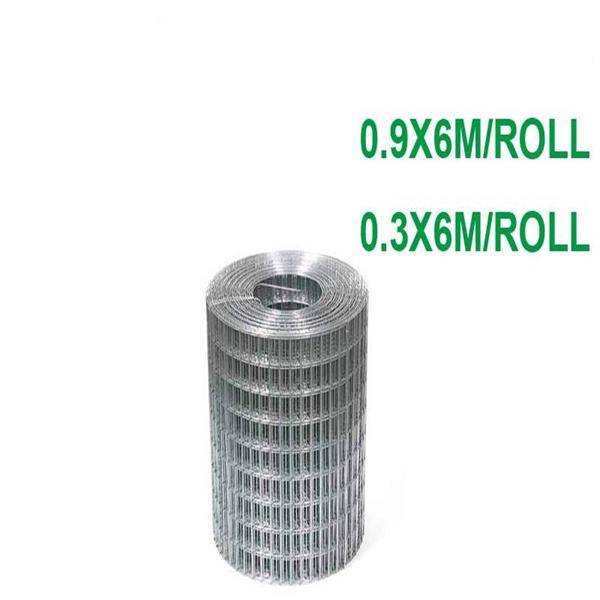
| Rodent exclusion hardware (mesh, sweeps) | Physical exclusion / barrier | Galvanized steel mesh, stainless fasteners | All commensal rodents | N/A (barrier) | Silent | None | 10–30 | Corrosion-resistant; long-term durability | ASTM A123 / A153 (galvanizing practices); ISO 9001 | Building envelopes, vents, drainage openings | Very high for exclusion when correctly installed | Most effective long-term solution; requires proper specification and professional installation. |
| Monitoring sensor (PIR/IR + wireless) | Motion/heat detection and event logging | Polycarbonate housings, electronic sensors | Mice, rats | Detects movement up to several meters | Silent | Battery or mains with backup | 2–5 | IP65 (outdoor-capable versions) | CE; RoHS; FCC (wireless) | Warehouses, distribution centers, food processing | Detection rate ≥95% for triggered events | Excellent for situational awareness and targeted responses; requires network and maintenance. |
| Tracking powder (fluorescent) | Transfer powder to map movement and entry points | Inert fluorescent pigments (non-toxic grades) | All commensal rodents | Immediate; transfers via contact | Silent | None | 2–5 (shelf) | Stable pigments; follow safety guidance | Comply with local handling regulations | Field investigations, behavioral mapping | ~90% effective for mapping runways and entry points | Useful diagnostic tool to inform placement of controls; follow PPE and cleanup procedures. |
| Integrated professional system (multi-sensor + automated control) | Combined mechanical, electronic monitoring and automated delivery | Stainless steel, ABS housings, electronics | Rats, mice, small mammals | Building-wide networked ranges: tens of meters per node | Low | Mains with battery backup | 5–10 | IP54–IP65 (system dependent) | ISO 9001; CE; RoHS; FCC (where applicable) | Industrial sites, logistics hubs, food plants | 92–99% when maintained and integrated into IPM | Highest overall performance but requires trained maintenance, integration into an IPM program, and data monitoring. |
Related Products
Model 4011 Reusable Rat Bait Station Box Plastic Rodent Control Bait Box for Residential Pest Prevention
Read More




rodent control equipment Is The Best More Than a Supplier - A Partner
Top Selling Products




- Related Blog
- Reviews
