

Stainless Steel Rodent Barrier - China Manufacturer for Pest Control
As a China-based Manufacturer, I design durable stainless steel rodent barrier solutions for warehouses, factories, and retail facilities where pests threaten operations. This stainless steel rodent barrier is built to withstand heavy foot traffic and corrosive environments, offering excellent corrosion resistance, easy mounting, and low maintenance. Each unit is precision-fabricated from high-grade stainless steel, with seamless joints to deter gnawing and ensure a clean, tamper-proof fit. We provide a range of sizes and configurations to cover doorways, vents, crawl spaces, and gaps, with customizable aperture options to align with your pest-control strategy. Quick-install mounting hardware and adaptable brackets minimize downtime during retrofits or new-builds. I stand behind our product with documentation, certifications, and responsive tech support—because you’re buying for reliability and long-term cost savings. If you’re sourcing in China or seeking a dependable Manufacturer partner, this stainless steel rodent barrier delivers robust protection without compromising aesthetics or airflow.
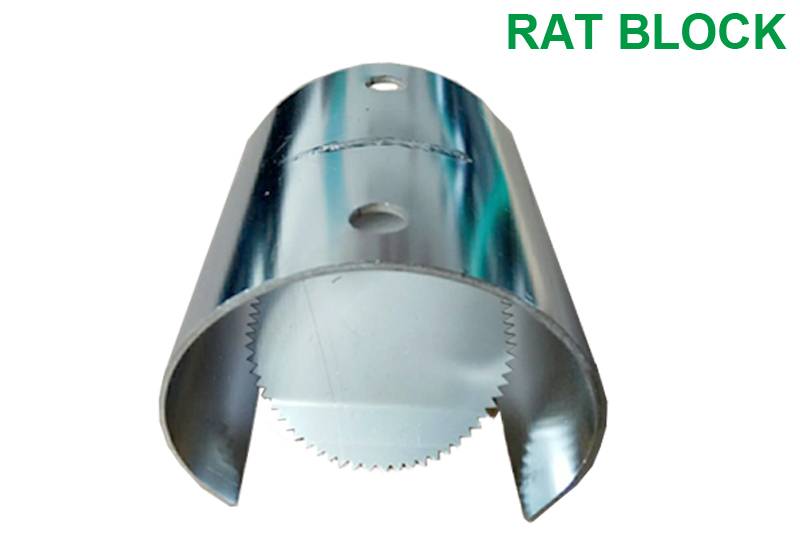


stainless steel rodent barrier Industry Leaders Now Trending
Stainless steel rodent barriers are rapidly becoming the preferred choice for facilities that demand long-term, reliable pest exclusion. Offering exceptional corrosion resistance, mechanical strength and low maintenance compared with traditional materials, these barriers meet strict hygiene and safety requirements across food processing, logistics hubs, ports and agricultural installations. Precision manufacturing and robust finishes ensure tamper-resistance and consistent performance in harsh environments, reducing recurring repair costs and protecting product integrity. Global buyers should prioritize partners who provide certified quality, customizable dimensions and finishes, scalable production capacity, transparent lead times and international logistics support. Competitive total-cost-of-ownership, available samples, clear documentation for compliance and responsive technical service make procurement efficient and risk-free. For teams balancing budget, regulation and durability, investing in high-quality stainless steel rodent barriers delivers measurable ROI and peace of mind across global supply chains.
| Rank | Barrier Type | Material Grade | Typical Thickness (mm) | Construction / Aperture | Corrosion Resistance | Expected Service Life (yrs) | Common Applications | Relevant Standards | Regional Adoption Share (%) |
|---|---|---|---|---|---|---|---|---|---|
| 1 | Continuous stainless-steel sheet barrier | 304 (standard) | 0.8 – 1.5 | Solid sheet with folded/hemmed edges (solid) | High | 15 – 30 | Building perimeters, ventilation inlets, sewer/utility access | ASTM A240, ISO 9001 (quality systems) | 26 |
| 2 | Stainless-steel woven hardware cloth (fine mesh) | 304 (common) | 0.5 – 1.2 | Aperture 1 – 6 mm (woven mesh) | High | 10 – 20 | Food processing, small openings, agricultural structures | ASTM / ISO (wireform and mesh specifications), NSF where used in food areas | 22 |
| 3 | Perimeter stainless-steel flashing & L-profiles | 316 (coastal / marine) | 1.0 – 2.0 | Folded sheet profiles (solid) | Very High | 20 – 40 | Coastal buildings, docks, ports, marine utilities | ASTM A240, ISO corrosion management guidance | 18 |
| 4 | Welded stainless-steel wire mesh panels | 304 / 316 (option) | 1.2 – 2.5 | Aperture 3 – 20 mm (welded grid) | High to Very High | 12 – 25 | Public infrastructure, waste facilities, utility enclosures | ASTM (wire & weld), ISO 9001 | 12 |
| 5 | Perforated stainless-steel screens & grilles | 304 (typical) | 0.7 – 1.5 | Perforations Ø 2 – 10 mm | High | 10 – 20 | HVAC intake guards, drainage covers, equipment guards | ASTM perforated metal guidance, ISO 9001 | 14 |
| 6 | Edge guards, seals & retrofit stainless strips | 304 / 430 (economy option) | 0.6 – 1.2 | Solid strips, folded edges (solid) | Moderate to High | 8 – 15 | Residential retrofits, renovation details, small openings | ISO quality standards; material spec guidance (application dependent) | 8 |
Related Products
Stainless Steel Bird Spikes S20 Pigeon Deterrent Spikes Anti Bird Control System for Roof and Building Protection
Read More

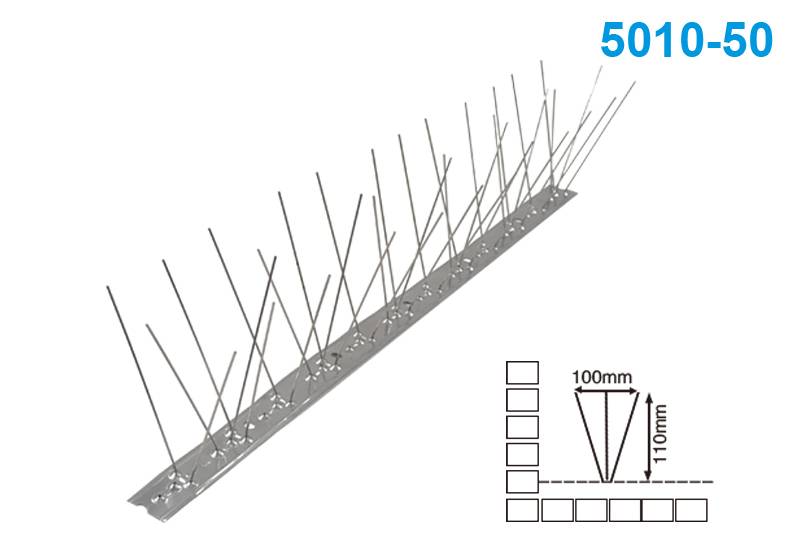


stainless steel rodent barrier Pioneers in the Field Guarantees Peak Performance
Top Selling Products



- Related Blog
- Reviews
